
Reviewed · PENANG TOURS
Asia Camera Museum Admission Ticket
The Asia Camera Museum turns old cameras into a hands-on lesson. You can examine more than 1,000 cameras and accessories, then use some vintage equipment to make phone photographs with an old-fashioned look. The collection reaches from early photography to silent film.
I like the darkroom, which shows how photographs were developed before digital cameras, and the 1960s repairer’s bench, where tools and mechanical cameras make the craft feel real. The museum also benefits from May’s warm, lively guiding style. The main drawback is its short visit: at 30 minutes to an hour, it suits a focused stop more than a full afternoon outing.
Key points to know before you go
- More than 1,000 objects: See cameras and related accessories from different periods of photographic history.
- Hands-on displays: Handle vintage cameras and take phone photographs through functioning old equipment.
- A working darkroom: Learn how film was developed before digital photography changed the process.
- Rare projection equipment: See an early 1900s Magic Lantern projector and a 35mm silent movie projector lit by an oil lamp.
- A personal guided visit: May is often the person leading the tour, with clear explanations and help using the displays.
- Low-cost George Town stop: At $6.52 per person, the museum is easy to add to a walking day, though admission cannot be refunded or changed.
Why this small museum deserves a place in your George Town day
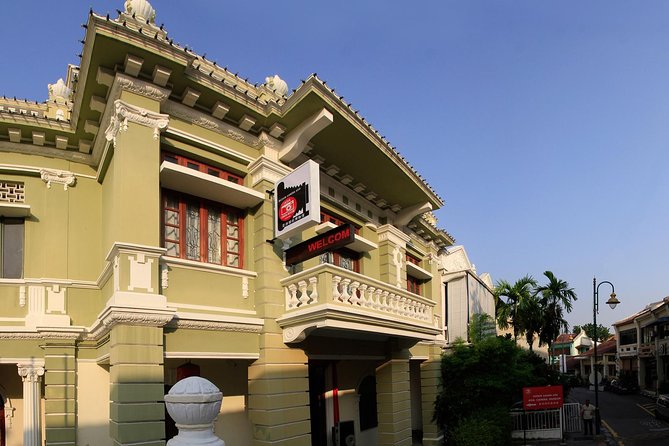
George Town is full of street art, food stalls, clan houses, and grand colonial buildings. The Asia Camera Museum gives you a different way to look at the city: through the machines that once recorded it.
I like museums that explain how an object worked, not just what year it was made. This one does that with cameras you can touch, old photographic tools, a darkroom, and projection equipment. You are not simply walking past glass cases. You are invited to look through old lenses, examine mechanical parts, and use some of the displays with your phone.
That approach makes the museum a good choice even if you are not a serious photographer. You do not need to know the difference between camera formats or shutter systems before arriving. The displays give you a reason to ask questions, and the guide helps connect the equipment to the way photographs were once made.
The museum is especially appealing if you enjoy the physical side of photography. Digital images appear almost instantly, while older photography required film, chemicals, light control, careful repairs, and patience. The visit makes that process easier to understand without turning into a technical lecture.
More museums in Penang:
- Straits and Oriental Museum Ticket
★ 5.0 · 128 reviews - Quirky Art Museum called Ur-Mu in Bukit Bintang, KL
★ 5.0 · 49 reviews - Kuala Lumpur: Museum Of Illusions Standard Admission Ticket
★ 3.7 · 36 reviews
Entering a collection of more than 1,000 cameras
The main exhibition contains more than 1,000 items and related accessories. That number matters because it gives you a broad look at how cameras changed over time, rather than presenting only a few famous models.
You can expect a collection built around the development of photographic equipment. Older cameras, mechanical parts, and accessories show how much skill was once needed to operate and maintain a camera. The displays also help you see the shift from early photographic methods to equipment closer to the cameras many people recognize today.
I would allow enough time to look closely rather than rushing through every case. The official visit lasts about 30 minutes to one hour, so the museum is not an all-day commitment. Still, the quantity of equipment means you will get more from the visit if you pause for the explanations and hands-on sections.
The collection may be most satisfying for photographers, camera collectors, and people who enjoy engineering. Families and casual visitors can also have a good time, since the experience does not depend entirely on reading technical labels.
Seeing how photographs were developed in the darkroom
The darkroom is one of the most useful parts of the visit because it explains a process that can feel mysterious to anyone raised with digital photography.
Darkrooms have been used since photography began in the early 19th century. Here, you can learn how film was developed and gain a better sense of the work behind an image that once took far more time than pressing a button and checking a screen.
The value of this stop is not just nostalgia. It shows why light, chemicals, timing, and careful handling mattered. Even a simple photograph depended on a chain of steps, and mistakes could ruin the result. The darkroom gives you a practical link between the camera in your hand and the finished photograph.
The museum’s hands-on style helps here. You can ask questions and connect the equipment to the process instead of trying to understand it from a label alone. If you are visiting with children, this section may give them the clearest sense that photography was once a physical craft.
Exploring the 1960s camera repairer’s workbench
The camera repair workplace offers another useful change of pace. You can handle or examine the tools once used by a camera repairer in the 1960s, along with the equipment used to repair and restore mechanical cameras.
This is a small but important part of the museum’s character. Cameras were not always treated as disposable electronics. A mechanical camera could be opened, adjusted, cleaned, and repaired by someone with the right tools and patience.
I like this display because it gives the collection a human side. A camera is not only a finished object. It is also something that required regular care, and the repair bench shows the skill behind that care.
You can play with the tools and get a feel for the work, but do so gently. The point is to understand the repair process, not to take apart a museum piece. This section should appeal to anyone interested in machinery, craftsmanship, or the practical side of vintage technology.
A few more Penang trips worth a look
- Penang Plates Food Tour with 15+ Tastings
★ 4.9 · 734 reviews - Half-Day Penang Countryside Cycling Tour
★ 4.5 · 454 reviews - Penang: Flexible 6-Hours Highlights
★ 5.0 · 378 reviews - George Town, Penang: Malay Countryside Cycling
★ 4.7 · 287 reviews
Trying old cameras and taking retro-style phone photos
The hands-on displays are the feature that makes this more than a standard camera exhibition. You can touch vintage cameras and use some of the old equipment to take photographs with your phone.
That can produce unusual images and a retro feel without asking you to operate a complete historical photographic process. The guide can help you position your phone and use the equipment, which is useful if you are unsure how the display is meant to work.
Bring a phone with enough battery and storage if you want to keep the photographs. The admission includes access to the museum, but food, drinks, and transport are not included. There is no separate photography package listed, so think of the phone images as part of the interactive visit rather than a formal photo session.
This is also where May’s role can make a difference. She is often described as passionate and helpful, and she can assist with the old cameras while explaining what you are seeing. The visit works best when you take part instead of simply walking around the room.
The Magic Lantern and silent movie projector
Two unusual pieces add a sense of theatre to the collection.
The rare Magic Lantern projector dates from the early 1900s and is shown with a large-format, hand-painted glass color slide. Before modern cinema and home video, equipment like this projected images for an audience. The hand-painted slide also reminds you that projected color once depended on careful work done directly on glass.
The 35mm silent movie projector is another striking object. It uses an oil lamp for illumination and a gear system to move the film. That combination shows how early projection relied on heat, light, motion, and mechanical timing.
These machines are worth special attention because they expand the visit beyond still photography. You are also seeing how people once shared moving images. If you have children with you, the gears and oil lamp may be more immediately interesting than a row of camera bodies.
Do not expect a full film screening or a long demonstration based on the details provided. The attraction here is seeing the equipment and understanding its place in the story of photography and film.
How May’s guiding shapes the visit
The museum is not simply a self-guided room of objects. Visitors are taken through the collection, and May is often the guide.
Her role is important because many old cameras look similar at first glance. A short explanation can show you what makes one model unusual, how a piece of equipment was used, or why a projector needed an oil lamp and gears. She also helps with the interactive displays and photographs.
The strongest praise for the museum centers on the staff’s enthusiasm and personal attention. May is described as friendly, patient, and full of useful information. She has also offered general suggestions for things to do around Penang, which can be helpful if you are still planning your time in George Town.
The group size is limited to a maximum of 15 people. That is small enough for a guided explanation to feel manageable, though the quality of the visit can still depend on how busy the museum is and how much time the group spends at each display.
Is $6.52 good value?
At $6.52 per person, this is a modest admission price for a guided museum visit with interactive displays. The value is strongest if you take part in the hands-on sections and listen to the explanations rather than treating the museum as a quick photo stop.
You are paying for access to a large collection, the darkroom, the repair workplace, and the old projection equipment. You also receive the benefit of a guided route through the displays. For photographers, camera fans, and anyone curious about older technology, that makes the price easy to justify.
The value is less certain if you only want a very fast look at cameras. The official duration is about 30 minutes to one hour, and some people may find that too brief if they are comparing it with larger museums. Still, the low price and central George Town setting make it simple to fit between other sights.
Food and drinks are not included, but this is not the kind of admission where that matters much. Plan it as a compact cultural stop, not a meal-based excursion or a full-day activity.
Timing, transport, and booking details
The museum is open daily from 10:00 a.m. to 6:00 p.m. The listed operating periods cover April 1, 2025 through March 31, 2027, with the same hours each day.
It is near public transportation, so you can reach it without arranging hotel pick-up or drop-off. Those services are not included, and you will need to make your own way there.
Confirmation is sent at booking. You are required to print the confirmation voucher and present it at the ticketing counter to receive the actual admission ticket. That is an important practical detail, especially if you normally rely only on a mobile voucher.
The experience is often booked about 11 days ahead. That does not guarantee that you must reserve that early, but booking ahead gives you a better chance of fitting the museum into your preferred George Town schedule. The maximum group size is 15.
The admission is non-refundable and cannot be changed for any reason. I would only book once your day is reasonably settled.
Who will enjoy this museum most?
I would recommend the Asia Camera Museum first to:
- Photographers and camera enthusiasts who want to see older equipment up close
- Visitors curious about the mechanics behind film photography
- Families looking for an interactive indoor stop
- Anyone interested in early film projection and technical history
- People who want a short activity during a hot afternoon in George Town
You do not need specialist knowledge. The guide-led format makes the collection approachable, and the ability to use some of the vintage cameras gives casual visitors something active to do.
The museum may not suit you if you want a large, polished institution with long written displays, many rooms, or a full schedule of demonstrations. The experience is compact and personal. Its appeal comes from the collection, the guide, and the chance to handle selected equipment.
Should you book the Asia Camera Museum?
I would book it if you have even a passing interest in photography, old machines, film, or unusual museums. The darkroom, camera repair bench, Magic Lantern projector, and oil-lamp silent movie projector give the visit more range than the name alone suggests.
The best reason to go is the combination of a large collection and real participation. You can see cameras from across the history of the medium, then use old equipment to create your own phone photographs. May’s help can turn unfamiliar objects into understandable ones.
Skip it if your George Town schedule is packed and you only have time for the city’s major landmarks. At 30 minutes to an hour, it is short, but it still needs a place in your day. For most people, the $6.52 price makes it a sensible indoor stop, provided you remember to print your voucher and accept the strict no-refund policy.
FAQ
Where is the Asia Camera Museum located?
The Asia Camera Museum is in George Town, Malaysia.
How much does admission cost?
Admission is listed at $6.52 per person.
How long does the visit take?
The visit takes approximately 30 minutes to one hour.
What are the museum’s opening hours?
The museum is open Monday through Sunday from 10:00 a.m. to 6:00 p.m. The listed hours apply from April 1, 2025 through March 31, 2027.
What can I see inside the museum?
You can see more than 1,000 cameras and related accessories, a darkroom, a 1960s camera repair workplace, a rare early 1900s Magic Lantern projector, a hand-painted glass color slide, and a 35mm silent movie projector.
Can I handle the vintage cameras?
Yes. The museum includes hands-on displays where you can touch vintage cameras. Some equipment can also be used to take photographs with your phone.
Is a guided visit included?
Admission to the museum is included, and the visit is guided. May is often the person leading the tour and helping with the interactive displays.
Is transport included?
No. Hotel pick-up and drop-off are not included. The museum is near public transportation.
Do I need to print my confirmation?
Yes. You are required to print your confirmation voucher and present it at the ticketing counter to redeem the actual admission ticket.
Can I cancel or change my booking?
No. The experience is non-refundable and cannot be changed for any reason.
Just added around Penang
- Back of the Bike Street Food Experience – Real Penang!★ 5.0 · 17 reviews
- Penang: Private Customized Flexible Tour with Tourist Guide★ 5.0 · 19 reviews
- Penang: Trishaw Ride and Hawker Center Food Tour★ 4.3 · 20 reviews
- Penang City Private Half Day Tour With Khoo Kongsi & Kek Lok Si★ 5.0 · 21 reviews
- Private George Town UNESCO Heritage Walking Tour★ 4.0 · 22 reviews
- Penang: Tropical Fruit Farm Ticket★ 4.5 · 23 reviews
- Private Penang City Tour with Kek Lok Si Temple★ 4.6 · 24 reviews
- George Town: 5-Hour Penang Island City Tour★ 4.8 · 24 reviews
Penang Tours, compared.


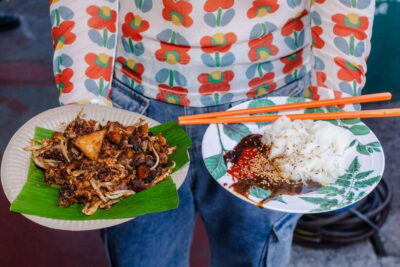
Good Morning Penang Food Tour with 15+ Tastings
Read our review →
Browse the lists this tour appears in