
Reviewed · KOTA KINABALU TOURS
Kota Kinabalu: Mari Mari Cultural Village Tour with Lunch
Mari Mari Cultural Village brings five Sabah tribal traditions into one guided visit. You move from house to house, seeing how the Bajau, Dusun, Rungus, and Murut communities are represented through food, games, crafts, clothing, customs, and demonstrations.
I like the way the tour gets you doing things rather than simply looking at displays. Fire-making, blowpipe shooting, Congkak, bamboo cooking, tree bark crafts, and the Murut Lansaran platform give the visit a playful edge. I also like the guide-led storytelling, especially when guides such as Eddie and Timmy explain Sabah’s past and present on the drive.
The main consideration is that this is a visitor-focused cultural attraction, not a private visit to remote tribal homes. The demonstrations and performance are organized for tour groups, and the five-hour schedule leaves limited time for long, quiet exploration.
Key points to know before booking
- Five Sabah communities in one visit: See representations of the Bajau, Dusun, Rungus, Murut, and another traditional community within one forest setting.
- Hands-on demonstrations: Try fire-making, blowpipe shooting, Congkak, Lansaran activities, and food preparation.
- Bamboo cooking and local snacks: Watch food being prepared over an open fire, then taste traditional treats such as Kuih Jala.
- A lively cultural finale: The traditional dance show is included, and you may be invited to join.
- Lunch is part of the price: The meal includes a broad selection of Malaysian and local dishes, with ingredients clearly labeled in at least some buffet service.
- Strong guiding adds real value: Eddie and Timmy are frequently assigned guides, and both are praised for clear explanations, humor, and careful attention to guests.
From Kota Kinabalu to a forest village
The tour begins with pickup at Burger King at The Shore or Citadines Waterfront Kota Kinabalu. These are in the same building, beside the Orange convenience store. The guide contacts you about the meeting point, so keep your phone available and arrive ready rather than waiting upstairs in your room.
The drive to Mari Mari Cultural Village is listed at about 20 minutes, though some departures have taken closer to 35 minutes. Traffic and the exact starting point can affect the timing. This short ride matters because it gives your guide time to explain Sabah, the local communities, and what you are about to see.
Eddie receives especially strong praise for making the drive useful. He covers more than a list of tribal names, including Sabah’s political past, the relationship between East and West Malaysia, and present-day issues affecting indigenous communities. Timmy is also praised for his clear explanations, easy conversation, and practical help.
That pre-visit briefing gives the rest of the day more meaning. Without it, you might see a traditional house or cooking method as a charming photo stop. With context, you begin to understand the purpose of the objects, foods, and customs being presented.
A few more Kota Kinabalu trips worth a look
- Kota Kinabalu: Sapi & Manukan Island Snorkelling with Lunch
★ 4.8 · 90 reviews - Kota Kinabalu: Manukan & Sapi Islands Snorkeling with Lunch
★ 3.7 · 61 reviews - Mari-Mari Cultural Village Tour Including Lunch
★ 4.5 · 45 reviews
Bajau House: games and Kuih Jala
The first stop is the Bajau House. Here, you can try Congkak, a traditional game played with counters placed into rows of small hollows. It is a simple activity, but it gives you an immediate way to take part rather than stand at the edge of the group.
You also see how Kuih Jala is made. This local snack is prepared in a distinctive pattern, and the demonstration adds a food-based introduction to the tour. Samples of food and drink are part of the experience, so this is a good moment to ask what you are tasting.
The Bajau section is especially suitable for families and anyone who prefers an active tour. You are not expected to know the rules of Congkak or understand every detail in advance. The guide explains the activity and encourages you to have a go.
Dusun House: bamboo cooking over an open fire
At the Dusun House, the focus shifts to bamboo cooking, an old method of preparing food over an open fire. The demonstration shows how bamboo can serve as a cooking vessel, linking the meal to materials found in the local environment.
This part is more than a quick cooking display. It gives you a clear picture of how food preparation can be shaped by available materials and traditional skills. The fire, bamboo, and food make the demonstration easy to follow, even if you have little background in Sabah culture.
The pace is generally designed for a group, so you should not expect a long cooking class. You see the method, hear its background, and watch the process at close range. It is one of the most memorable stops because it connects a practical household task with the wider story of village life.
Rungus House: crafts and tree bark textiles
The Rungus House presents traditional crafts and handmade textiles made from tree bark. The material is a useful reminder that clothing and household items were once closely tied to local plants, skill, and careful handwork.
I find this stop valuable because it slows the tour down after the more physical activities. You can look at the textures, patterns, and construction while the guide explains the customs connected with them. The craft section also gives you photographs with more substance than a standard costume display.
The word traditional can sometimes make a presentation sound frozen in time. A good guide helps avoid that problem by explaining that customs and materials belong to living communities, not only to the past. Eddie is particularly well regarded for connecting tribal traditions with the wider story of Sabah.
Same country, a completely different kind of day:
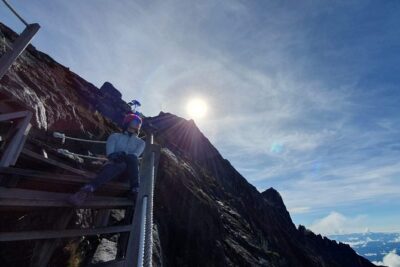
- 2D1N Mount Kinabalu Climbing
★ 5.0 · 494 reviews - Bongawan River Cruise: Proboscis Monkey & Fireflies Mangrove
★ 4.8 · 437 reviews - Guided Snorkeling Day Trip, Kota Kinabalu, Sabah, Malaysia
★ 5.0 · 282 reviews - Bongawan Wetland: Proboscis Monkey and Fireflies Shared Tour
★ 4.2 · 137 reviews
Murut House: Lansaran, henna, and blowpipe skills
The Murut House is one of the more unusual stops. You learn about the Lansaran, a trampoline-like wooden platform associated with Murut celebrations. You may also see Hena drawing and take part in blowpipe activities.
The Lansaran is an excellent example of how a cultural object can also be a social one. It is not simply furniture or decoration. It is linked to celebration and movement, which makes the Murut section feel different from the quieter craft and cooking stops.
The blowpipe activity adds another hands-on moment. You can try to aim and fire a blow dart at a target, with the guide explaining that blowpipes were once used for hunting. It is presented as a skill demonstration, not a hunting outing.
Follow the safety instructions and wait your turn. The blowpipe is fun because it looks simple but demands control and accuracy. It also gives you a practical sense of the skill involved, something a photograph could never provide.
Fire-making and food samples
Fire-making is another key demonstration. Watching someone start a fire using traditional methods is fascinating, and you may be able to try the technique yourself.
This is one of the activities that works well for mixed-age groups. Children can watch the sparks and movement, while adults often appreciate the patience and hand skill required. As with the blowpipe, the attraction is not just the final result. It is seeing how much practice sits behind a task that modern equipment makes easy.
Food samples appear throughout the visit, not only at lunch. You might taste local snacks or drinks as you move through the houses. The exact selection can vary, so ask your guide about ingredients if you have an allergy or dietary restriction.
The dance performance brings the day together
The cultural performance is the tour’s lively finale. Dancers appear in traditional clothing, and the music and movement provide a change of pace after the guided walk.
You may be invited to join the dancers. You do not need performance skills, and the point is participation rather than getting every step right. If you prefer to watch, you can stay with the audience and enjoy the show without taking part.
The performance is worth keeping in mind when planning your time. The village visit lasts about two and a half hours before lunch, but the attraction is not just a sequence of houses. The final show gives the separate sections a shared ending and helps the tour feel like a complete presentation.
Rain does not necessarily ruin the experience. One guide, Timmy, is praised for keeping the visit enjoyable during heavy rain. Still, this is an outdoor forest setting, so light clothing, insect repellent, and protection from wet weather are sensible. One guest specifically warned about mosquitoes, so do not leave the repellent behind.
A traditional lunch with useful dietary information
Lunch lasts about 30 minutes and is included in the $67 price. It is served after the main village visit and includes a selection of Malaysian and traditional native dishes.
The food receives some of the strongest praise in the tour feedback. It is described as varied, flavorful, and filling rather than a token meal added to the package. For many people, lunch becomes a chance to connect the earlier demonstrations with something you can actually eat.
Guides may explain the dishes as you go. Sandra, for example, appreciated having the food types explained during the meal. That small detail matters when you are faced with unfamiliar dishes and want to know what you are trying.
Dietary care appears to be good, but you should still communicate clearly before eating. A vegan guest was helped with suitable buffet choices and received a special dish. Another guest found ingredients clearly labeled for gluten-free eating. These are useful signs, but they do not replace asking the operator in advance about allergies, cross-contamination, or strict dietary needs.
The 30-minute lunch is fairly brisk. You can enjoy the food, but this is not a long restaurant meal. If local cuisine is one of your main reasons for booking, make time to sample the snacks during the house visits as well.
What the guide adds to the experience
The guide can make the difference between a pleasant attraction and a worthwhile cultural lesson. Eddie is repeatedly praised for his English, storytelling, humor, and ability to explain the history of Sabah and its communities in plain language.
He also receives praise for remembering people in the group and making solo participants feel included. One guest valued his ability to speak with both English and Chinese speakers during the same tour. The activity lists English and Chinese as the available guide languages, so select the language that suits your booking.
Timmy is another name to look for, though a specific guide cannot be guaranteed. He is praised for clear communication about pickup times, helpful explanations during the drive, and thoughtful attention to food restrictions. He also helped one guest with advice about climbing Mount Kinabalu after the tour.
A good guide does not merely hurry you from one stop to the next. The best ones explain why the customs matter, answer questions, and connect the village visit with Sabah today. That is where much of the tour’s value lies.
How much value do you get for $67?
At $67 per person, the price includes admission, transport from the listed Kota Kinabalu pickup points, a guide, the house visits, demonstrations, interactive activities, cultural performance, and lunch.
That is a fair package if you want an organized introduction to Sabah culture in half a day. You would otherwise need to arrange transport, pay entry, find a guide, and purchase food separately. The included meal and return transfer make the cost easier to judge, especially for solo visitors.
One useful point is that the tour can be booked by a single person. That matters in Kota Kinabalu, where some activities need a minimum number of participants. If you are traveling alone, this provides a straightforward way to visit without arranging a private group.
The value is less clear if you dislike scheduled group activities or prefer extended time at one site. You are paying for breadth and structure: five communities, several demonstrations, a performance, and lunch in one outing. You are not paying for a quiet, self-guided day in the forest.
Who will enjoy this five-hour visit?
I would recommend the tour to you if you want a clear first introduction to Sabah’s indigenous communities and prefer to learn by seeing, tasting, and trying things. Families, first-time visitors to Kota Kinabalu, solo visitors, and people with limited time are all likely to find the format useful.
It is also a strong choice if you care about context. Guides such as Eddie have explained not only tribal customs but also Sabah’s political history and current challenges. That broader discussion gives the visit more weight than a simple cultural show.
You may want to think twice if you want an entirely unstructured or highly private experience. The village is designed for organized visits, and the cultural demonstrations are presented to groups. The short lunch period may also feel rushed if you want a leisurely meal.
The visit involves walking between traditional houses and participating in activities. Formal accessibility details are not provided, but a guide has helped guests with knee and mobility problems. Tell the operator about your needs before booking so they can advise you properly.
Practical details that make the day easier
Wear comfortable clothing suited to a warm rainforest setting. Use insect repellent, and bring protection from rain. The mosquito warning is not a minor detail.
Keep your phone available before pickup. The meeting point is Burger King at The Shore or Citadines Waterfront Kota Kinabalu, in the same building and next to Orange convenience store. Your guide is expected to contact you about the meeting arrangement.
The tour lasts five hours in total. The village visit takes about two and a half hours, followed by roughly 30 minutes for lunch, with transport on either side. Starting times vary, so check availability when booking.
The activity allows free cancellation up to 24 hours before departure for a full refund. You can also reserve now and pay later, which is useful if your Kota Kinabalu plans are still shifting.
Should you book Mari Mari Cultural Village?
Book this tour if you want a broad, hands-on introduction to Sabah culture without spending a full day arranging separate visits. The best parts are the practical demonstrations, the dance performance, the local meal, and the chance to ask a guide direct questions.
I would give extra weight to the guide. Eddie and Timmy are both praised for making the history understandable and the group experience friendly, but guide assignments can change. Even without a particular guide, the structure offers good value at $67, provided you are comfortable with a planned cultural presentation.
Skip it if you want remote village life, a slow private visit, or a long food-focused meal. For most first-time visitors to Kota Kinabalu, though, Mari Mari makes a sensible half-day choice, especially when you want more than beaches and city sights.
FAQ
How long does the Mari Mari Cultural Village tour last?
The activity lasts five hours, including transport, the village visit, and lunch. The guided visit is scheduled for about two and a half hours, with lunch taking around 30 minutes.
What tribes are represented at Mari Mari Cultural Village?
The tour includes traditional houses and cultural presentations connected with five Sabah indigenous communities. The named stops include the Bajau, Dusun, Rungus, and Murut houses.
Is lunch included in the price?
Yes. A traditional meal is included, with Malaysian and local native dishes served after the village visit.
What languages are available for the guided tour?
Live guides are available in English and Chinese.
Where is pickup in Kota Kinabalu?
Pickup is at Burger King at The Shore or Citadines Waterfront Kota Kinabalu. The two locations are in the same building, beside the Orange convenience store. The guide contacts you about the meeting point.
Can I cancel the booking?
You can cancel up to 24 hours in advance for a full refund. The tour also offers a reserve-now, pay-later option.
Just added around Kota Kinabalu
- KK Rainforest City Tour★ 5.0 · 3 reviews
- Full-Day Sepilok Orangutan and Proboscis Monkey from Sandakan or Kota Kinabalu★ 4.5 · 3 reviews
- Sabah: White Water Rafting Grade 3-4 at Padas River★ 4.7 · 3 reviews
- Kota Kinabalu : Snorkeling at Ara Dinawan Private Island★ 3.6 · 3 reviews
- Kota Kinabalu | Snorkeling Sapi Island/Manukan Island★ 3.1 · 3 reviews
- Kota Kinabalu: Mari Mari Cultural Village Tour★ 5.0 · 3 reviews
- Kota Kinabalu: Maragang Hill Guided Hike with Pickup★ 4.3 · 3 reviews
- Kota Kinabalu : Mari-Mari Cultural Village Day Tour★ 4.7 · 3 reviews
Kota Kinabalu Tours, compared.

Bongawan River Cruise: Proboscis Monkey & Fireflies Mangrove
Read our review →
Guided Snorkeling Day Trip, Kota Kinabalu, Sabah, Malaysia
Read our review →
Bongawan Wetland: Proboscis Monkey and Fireflies Shared Tour
Read our review →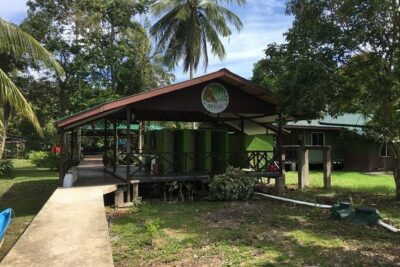

Sky-Mirror Photographing and Proboscis Monkey & Fireflies Watching River-Cruise
Read our review →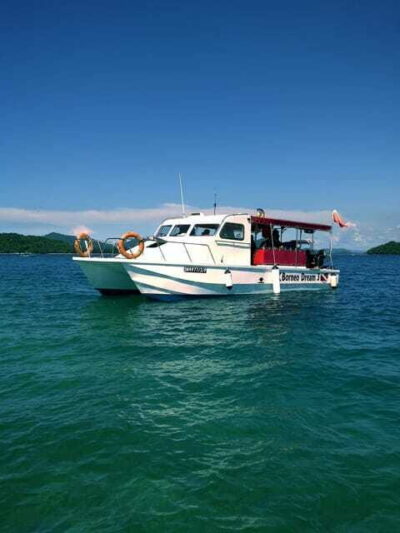
Full-Day Guided Snorkeling Tour from Kota Kinabalu
Read our review →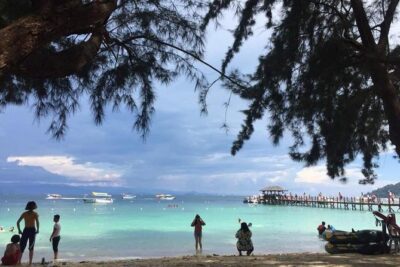
Browse the lists this tour appears in