
Reviewed · KUALA LUMPUR TOURS
Kuala Lumpur: Sambal Street Food Tour with 15+ Tastings
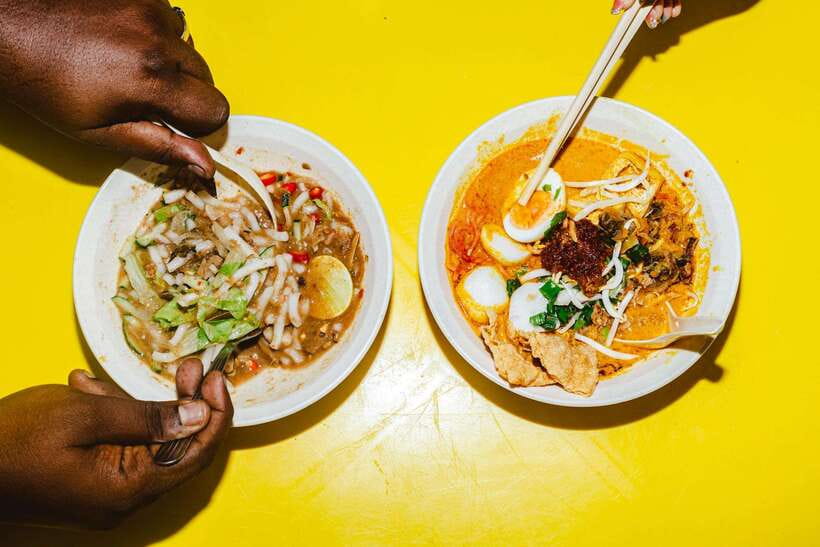
Kuala Lumpur’s food scene can feel like a delicious maze. This four-hour tour gives you a way through it, starting with local ingredients and moving on to more than 15 tastings in Chow Kit and Kampung Baru, two areas where KL’s everyday food culture still feels close at hand. You’ll eat classics such as nasi lemak, rendang, satay, roti canai, and curry, along with less familiar bites such as banana-leaf grilled mackerel with sambal and durian cendol.
I like the small group of eight, which makes it easier to hear the guide, ask questions, and share dishes without waste. I also like the steady pace. Guides such as Kiran, Nadia, Sam, Ian, Steve, and Jay have been praised for explaining ingredients, history, spice levels, and local customs while keeping the mood warm and relaxed.
The main caution is simple: this is a serious amount of food. You should arrive hungry, and vegetarians, vegans, and people with severe food allergies may find the limited alternatives too restrictive. Rain will not stop the tour, so comfortable shoes and an umbrella matter.
Key points at a glance
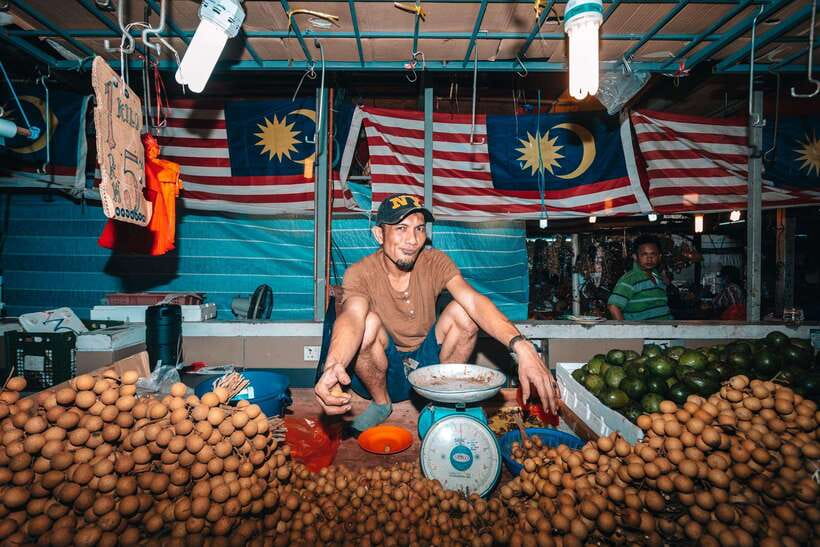
- More than 15 tastings: You sample a wide range of Malaysian dishes, drinks, fruit, sweets, and snacks over four hours.
- Chow Kit and Kampung Baru: The walk takes you beyond the usual sightseeing circuit and into traditional parts of central Kuala Lumpur.
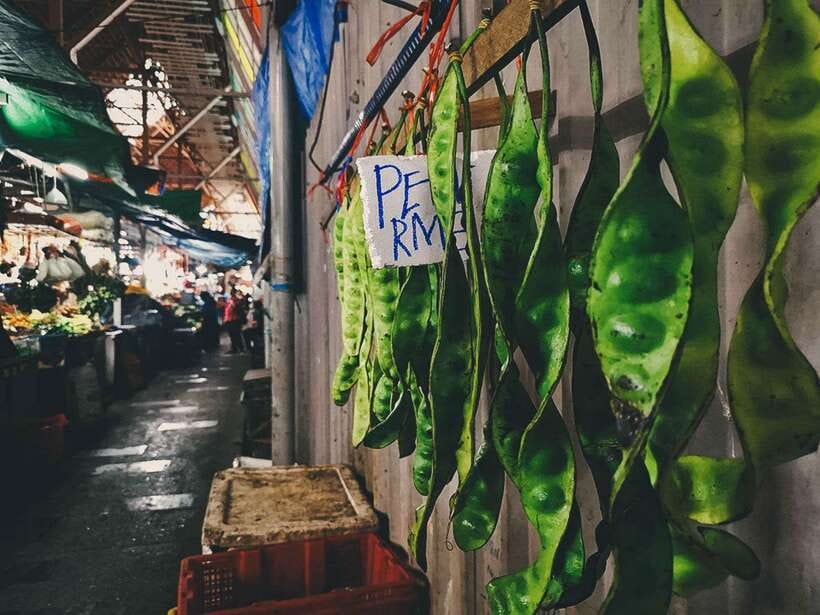
- Market ingredients first: A local eatery or market stop helps you understand the herbs, produce, spices, and staples behind the food.
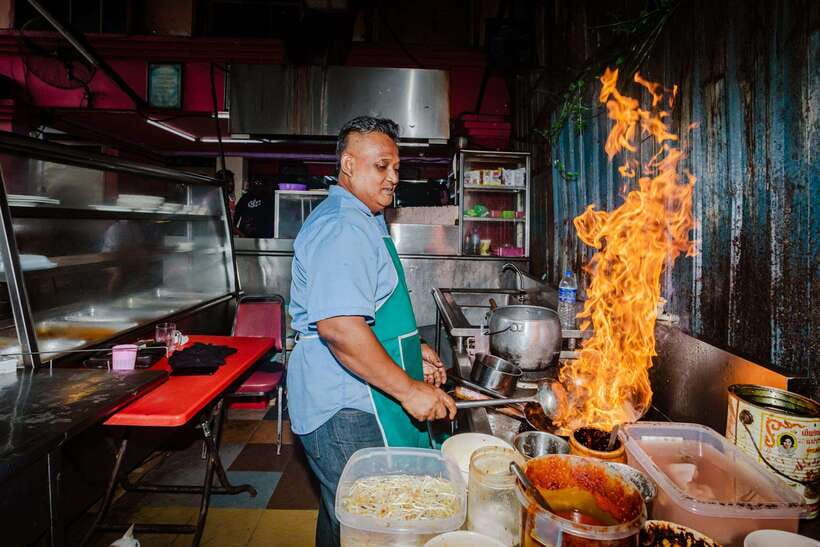
- Roti canai in action: You may get a chance to watch or try the hand-stretching and flipping that gives this flatbread its character.
- Guides who adjust the meal: Spice tolerance and dietary needs are checked at the start, with some substitutions possible for less serious restrictions.
- A full evening for $53: The price is higher than eating at one hawker stall, but it covers a large meal, a walking tour, and local guidance in a group capped at eight.
Starting near Hilton Garden Inn South
The meeting point is outside the entrance of the Hilton Garden Inn South, at the corner of Jalan Raja Alang and Jalan Tuanku Abdul Rahman. Pay attention to the word South, since there is another Hilton Garden Inn in the area. You do not get hotel pickup, so plan your own way to the meeting point.
The tour lasts four hours and is offered with an English-speaking guide. It operates rain or shine. Kuala Lumpur’s rain can arrive quickly, and the route includes walking between food stops, so wear shoes that can handle wet pavements and bring an umbrella or rain gear.
The group limit of eight is one of the tour’s strongest practical features. Food tours can become awkward when a large crowd crowds around a table or the guide has to repeat every explanation. Here, you have a better chance of hearing the stories, watching food preparation, and telling your guide what you can and cannot eat.
Come with an empty stomach. Eating only a light breakfast or lunch is sensible if you take the tour later in the day. The portions are not merely symbolic samples, and the number of stops can leave you very full by the end.
More Food Tours in Kuala Lumpur
- Sambal Streets Kuala Lumpur Food Tour with 15+ Tastings
★ 5.0 · 2,438 reviews - The 10 Tastings of Kuala Lumpur With Locals: Private Street Food Tour
★ 5.0 · 249 reviews - Kuala Lumpur Local Street Food Private Walking Tour by Night
★ 4.5 · 224 reviews
A market lesson before the meal begins
The tour begins with a walk through a local market area or eatery, where you can see ingredients used in Malaysian cooking. This opening gives the meal some much-needed context. Instead of treating nasi lemak, curry, sambal, or satay as a string of unfamiliar names, you start to connect dishes with the ingredients that shape them.
This is also where a good guide earns the tour price. Guides such as Nadia, Kiran, Ian, and Sean have been praised for explaining Malaysian food alongside the country’s cultural and historical background. The emphasis is not only on what something tastes like, but also on the people, traditions, and cooking methods behind it.
You might see produce, spices, herbs, chilies, and other staples before encountering them on your plate. That matters in Malaysia, where a single meal may reflect Malay, Indian, Chinese, and other influences. The tour uses food as a practical way to explain Kuala Lumpur itself.
This part is especially useful if you are new to Malaysian cuisine. You can ask what is spicy, what is sweet, what contains coconut, and how certain dishes are normally eaten. The guide can also help you remember the names of foods you may want to order later in your trip.
Roti canai, curry, and the pleasure of watching food being made
Roti canai is one of the more hands-on moments. The dough is stretched and flipped by hand before being cooked, then served with curry or other accompaniments. Seeing the technique makes the dish more memorable than simply receiving a piece of flatbread at a table.
The food is also a chance to see Malaysia’s mixed culinary influences at work. Roti canai is closely linked with Malaysian Indian cooking, while the meal around it may include Malay dishes, Chinese-influenced noodles, grilled foods, and local desserts. The tour keeps moving between these food traditions rather than presenting Malaysian cuisine as one single style.
You should not expect a formal cooking class. The available information points to a brief opportunity to watch or try roti preparation, not a long lesson where you make an entire meal. Still, it is a welcome change from sitting and eating, and it gives you a useful trick to look for when visiting other mamak restaurants in Malaysia.
The pace helps here. Several guides have been praised for allowing enough time at each stop without making the evening feel slow. That balance is important because rushing through 15 or more tastings would turn the meal into a checklist.
Nasi lemak, rendang, and the Malaysian classics
The tour includes major Malaysian favorites, including nasi lemak and rendang. Nasi lemak is built around fragrant coconut rice and is commonly served with several accompaniments. Rendang offers a slower, more intensely seasoned style of cooking, with meat cooked until the sauce becomes concentrated.
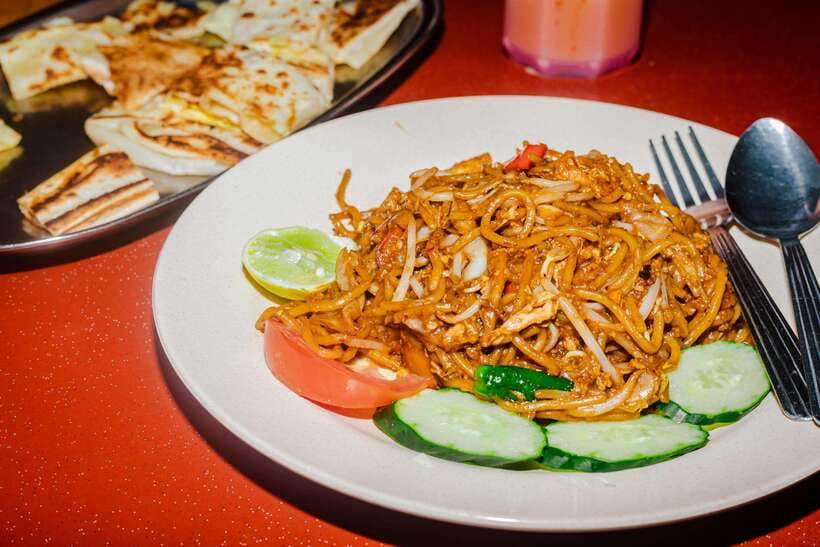
Satay is another expected highlight: flame-grilled skewers served with a thick peanut sauce. The smoky meat, sweet-savory sauce, and small format make satay easy to share, which suits a group tasting meal. You may also encounter curry laksa, mama mee, or other noodles, depending on the food selected that day.
The value of tasting these dishes with a guide is that you can compare them in context. A plate of nasi lemak at a restaurant may be satisfying, but a guide can tell you how it differs from other rice dishes, point out the accompaniments, and explain how spice and texture fit into the meal.
Portion control is handled by sharing. One recent food-focused account praised the lack of waste, with smaller amounts ordered first and extra food added when needed. That is a thoughtful approach for a tour with so many stops. You still eat a lot, but the table is less likely to fill with untouched dishes.
Same country, a completely different kind of day:
- Kuala Lumpur: Batu Caves Half-Day Tour with Pick-Up Option
★ 4.5 · 4,288 reviews - Private Half-Day Batu Caves and Cutural Tour in Kuala Lumpur
★ 5.0 · 3,107 reviews - Historical Malacca Guided Day Tour (Shared Tour)
★ 5.0 · 2,172 reviews - From Kuala Lumpur: Batu Caves Cultural Temple Tour
★ 4.7 · 1,453 reviews
Grilled mackerel, sambal, and the stronger flavors
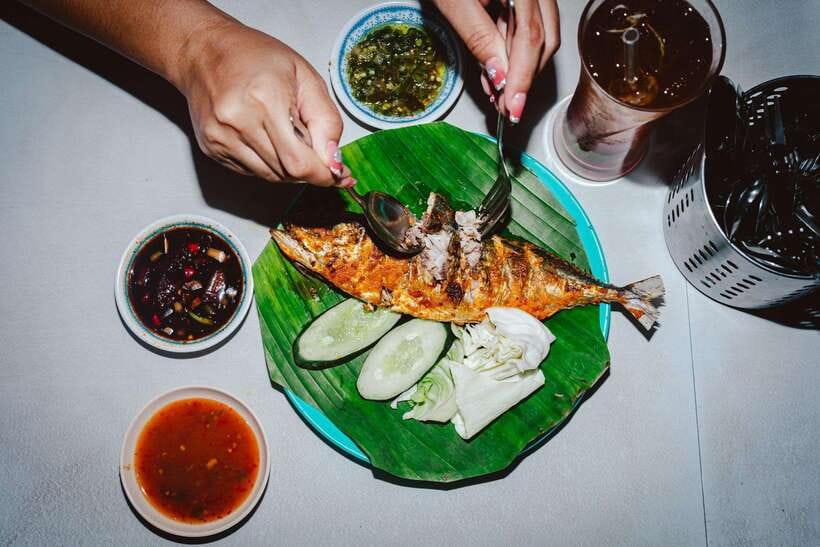
The tour is not limited to familiar dishes. Banana-leaf grilled mackerel with sambal brings a more direct taste of Malaysian cooking, especially if you enjoy fish, chili, and smoky flavors. Sambal varies from one kitchen to another, but you should expect heat and strong seasoning rather than a mild dipping sauce.
Your guide checks spice preferences early, and guides have adjusted dishes for people who do not handle much heat. That does not mean every dish can be made mild. It means you have someone who can explain what you are about to eat and help you avoid the most punishing options.
This is one of the tour’s strengths for curious eaters. You can try foods that you might skip when ordering alone because you do not recognize the name or cannot tell how spicy the dish will be. A guide can give you a small taste, explain the ingredients, and suggest how to combine it with rice or another accompaniment.
Dietary communication needs care. Lactose intolerance and some other diets can be supported if you tell the provider when booking. The tour is not suitable for vegetarians or vegans, and there are few alternatives at these particular stops. One pescatarian participant received a replacement after a mix-up, but you should still explain your restrictions clearly at the start and check each dish before eating.
Cendol, durian, and the sweet finish
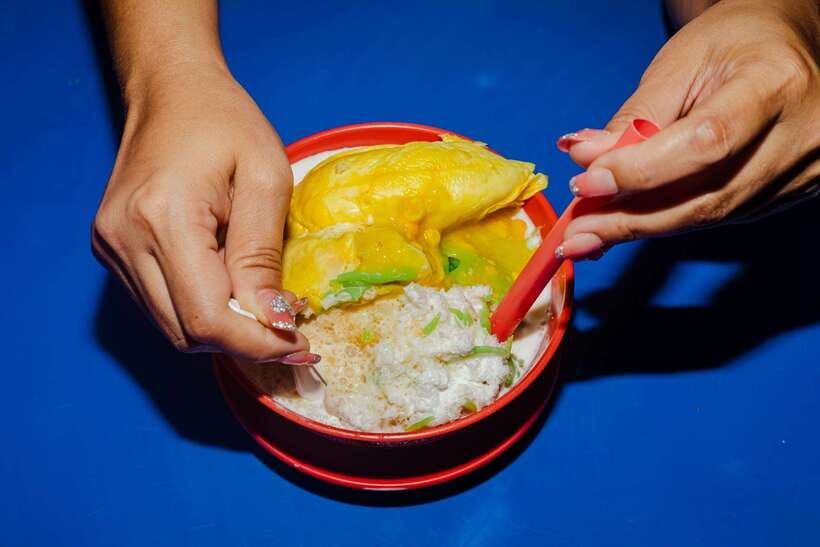
The sweet course may include cendol with durian, seasonal fruit, and a mango shake. Cendol is a cooling dessert with shaved ice and sweet ingredients, while durian brings a powerful aroma and creamy texture. It is a fitting test of your food-tour spirit: some people love durian at once, while others need only one taste to make their decision.
The guide’s explanation helps here. Durian is not just a novelty thrown into the meal for shock value. It is an important regional fruit with a strong place in Southeast Asian food culture. Trying it in a supported setting is easier than buying an entire portion on your own and discovering that you dislike it.
The mango shake offers a softer finish after chili, grilled food, curries, and rich sauces. Do not count on dessert being a tiny afterthought. With 15-plus tastings, even the drinks and fruit add to the total.
If you have a sweet tooth, this variety is a real plus. If you prefer a lighter meal, it is another reason to eat very little before the tour and pace yourself at every stop.
Walking through Kampung Baru and Chow Kit
The walking route adds meaning to the meal. Kampung Baru is one of Kuala Lumpur’s last traditional neighborhoods, and Chow Kit is another area where you can see a more local side of central KL. You are not simply transferred between polished restaurants. You walk through streets, markets, eateries, and older parts of the city that many first-time visitors might miss.
The area also helps explain why Malaysian food is so varied. Kuala Lumpur is shaped by different communities, faiths, migration patterns, and trading connections. Your guide uses landmarks, streets, ingredients, and restaurants to connect the food with the city around you.
Do not expect a major sightseeing tour with long stops at monuments. The walking is mainly there to link the food locations and give you a sense of place. That is a good fit if you want to combine dinner with light sightseeing, but less ideal if you want a dedicated architectural or historical tour.
Wear comfortable footwear. Wet weather, uneven pavements, and the simple fact that you are walking for several hours can make poor shoes a nuisance. The tour continues in bad weather, so your comfort depends on being prepared.
What the guides add to the experience
The guide can make or break a food tour, and this one has a strong record in that area. Kiran has been praised for her humor, personal stories, care with spice levels, and help getting people home. Nadia has been noted for her warmth, food knowledge, and attention to individual needs. Ian has been described as energetic, friendly, patient, and good at creating an easy group mood.
Sam, Steve, Sean, Jay, and Stephen have also been singled out for clear explanations, thoughtful pacing, and local insight. The guide assigned to you will vary, so you cannot book a particular personality from the information provided. You can expect the guide to be an English-speaking local foodie, but the exact style will depend on who leads your group.
A small group helps, though background noise can still be an issue at busy food stops. One participant suggested a microphone or earpiece for a premium version of the tour. If you have trouble hearing, move close to the guide before explanations begin and ask for a repeat.
The best guides do more than list ingredients. They explain why a dish matters, how it is prepared, and how it fits Malaysian life. That cultural layer is the difference between a large dinner and a useful introduction to KL’s food scene.
Is $53 a fair price?
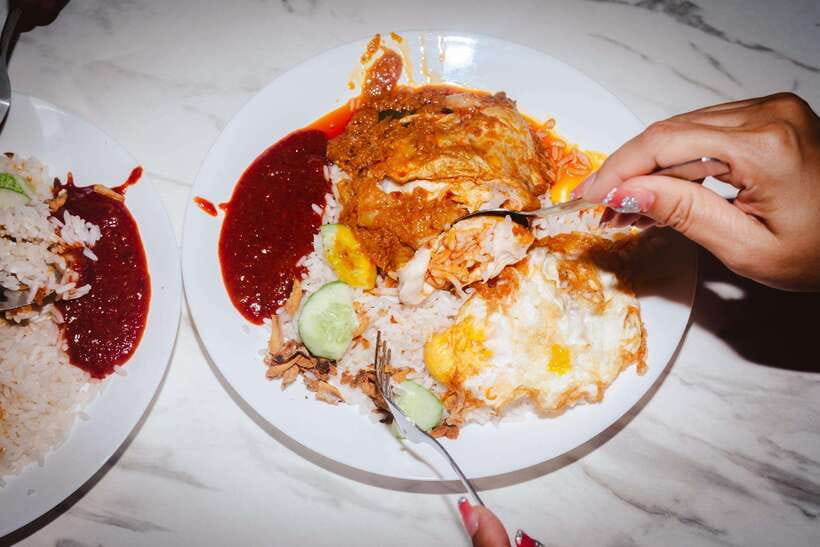
At $53 per person, this is not the cheapest way to eat in Kuala Lumpur. Local stalls can offer individual dishes for far less, and you could spend a full evening sampling food on your own for a modest amount.
The comparison is not quite fair, though. The tour includes 15-plus tastings, bottled water, a four-hour walking route, and a guide who selects the stops, orders the food, explains the dishes, watches the pacing, and helps with dietary concerns. You are also paying for access to places that are difficult to identify from a hotel room or a quick map search.
I see the price as reasonable if you treat the tour as both dinner and an orientation to Malaysian cuisine. It is especially good value early in your KL stay, when you can use the guide’s advice for the rest of your trip. If you already know the city well and enjoy finding hawker food alone, the price may feel high.
Alcohol is not included, and alcoholic drinks are not allowed on the tour. Bottled water is provided, but you should still bring your own rain protection.
Who should book this food walk?
You should book it if you want to:
- Try many Malaysian dishes without guessing what to order
- Learn how Malay, Indian, Chinese, and other influences meet in KL food
- Visit Chow Kit and Kampung Baru with a local guide
- Eat a substantial dinner while doing some walking
- Taste durian, sambal, grilled fish, or other foods outside your usual comfort zone
- Meet a small group of fellow food lovers
It is a weaker fit if you are vegetarian or vegan, have severe food allergies, dislike eating large meals, or want a quiet restaurant dinner. The tour is social, active, and food-heavy. You should also be ready for rain and some background noise at local eateries.
Free cancellation is available up to 24 hours before departure, and you can reserve now and pay later. Check the starting time when booking, since the tour runs at set times rather than whenever you arrive.
Should you book the Sambal Street Food Tour?
For most first-time visitors to Kuala Lumpur, I would book it, preferably near the start of the trip. The combination of 15-plus tastings, a small group, local neighborhoods, and a guide who can explain the food gives you more than a single meal.
The strongest reason to go is the range. You may begin with market ingredients, move through roti, curry, nasi lemak, satay, noodles, grilled mackerel, and sambal, then finish with cendol, durian, fruit, or a mango shake. The main drawback is the sheer volume, so pace yourself and do not try to be heroic at every stop.
Book this tour if you want Kuala Lumpur to make sense through its food. Skip it only if the dietary limits or four-hour feast do not suit you.
FAQ
Where does the Kuala Lumpur food tour meet?
Meet your guide outside the entrance of the Hilton Garden Inn South, on the corner of Jalan Raja Alang and Jalan Tuanku Abdul Rahman.
How long does the tour last?
The tour lasts four hours. Check availability when booking for the available starting times.
How many people are in each group?
The tour is limited to eight participants, making it a small-group walking experience.
What food is included?
You receive more than 15 tastings and bottled water. Dishes may include nasi lemak, rendang, satay, roti canai, curry, grilled mackerel with sambal, cendol with durian, fruit, and other Malaysian specialties.
Can vegetarians or vegans join?
The tour is not suitable for vegetarians or vegans because there are few alternatives at the food stops. Lactose intolerance and some other dietary needs can be supported if you provide details when booking.
What should I bring?
Bring comfortable shoes, an umbrella, and rain gear. The tour operates rain or shine, and you should arrive hungry after eating lightly earlier in the day.
More Food in Kuala Lumpur
- Eat Like a Local: Kuala Lumpur Hawker Center and Street Food Tour by Night
★ 5.0 · 198 reviews - Kuala Lumpur: Local Street Food Night Tour
★ 4.5 · 162 reviews - Laksa Lanes Kuala Lumpur Food Tour with 14+ Tastings
★ 5.0 · 148 reviews - Kuala Lumpur: Private Food Tour – 10 Tastings with Locals
★ 4.8 · 145 reviews
Just added around Kuala Lumpur
- Genting Highland Full Day Tour :Exclusive Deal★ 5.0 · 3 reviews
- Genting Highlands Day Trip from Kuala Lumpur with Skyway Cable Car Ride★ 4.0 · 3 reviews
- Full-Day Kuala Lumpur Sightseeing Tour★ 4.0 · 3 reviews
- Kuala Lumpur: City Tour, KL Tower Ticket & Putrajaya w/ Boat★ 5.0 · 3 reviews
- Private Night Tour: Petronas Twin Tower And Shopping★ 5.0 · 3 reviews
- Private Full-Day Cameron Highlands Nature Tour from Kuala Lumpur★ 4.5 · 3 reviews
- Kuala Lumpur Tour Cruise Excursion from Port Klang★ 5.0 · 3 reviews
- Kuala Lumpur International Airport to Kuala Lumpur City Transfer★ 3.0 · 3 reviews
Kuala Lumpur Tours, compared.


Private Half-Day Batu Caves and Cutural Tour in Kuala Lumpur
Read our review →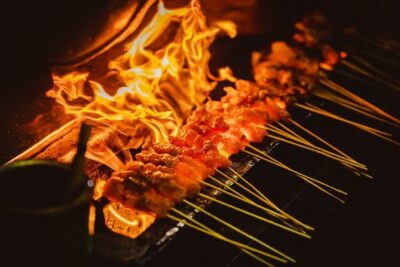
Sambal Streets Kuala Lumpur Food Tour with 15+ Tastings
Read our review →
Historical Malacca Guided Day Tour (Shared Tour)
Read our review →
Genting Highland & Batu Cave Guided Day Tour (SIC/Shared Tour)
Read our review →

Browse the lists this tour appears in