Reviewed · KUALA LUMPUR TOURS
Culinary Journey Through Chinatown with All Type of Delicacies
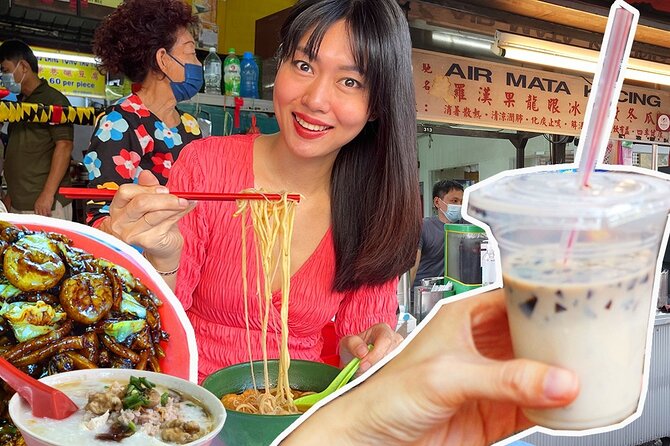
Kuala Lumpur’s Chinatown is best understood one bite at a time. This three-hour evening walk takes you from Central Market through Petaling Street and into local food stops for Malaysian Chinese, Malay, and Indian Muslim specialties. You may taste bakkwa, apam balik, roti canai, teh tarik, and Hokkien mee in one sitting, with a local host explaining what you are eating.
I like the broad mix of food traditions, and I like that the tour is led by an English-speaking local host such as Rayhan Raj Naidu, who has been praised for his friendly service and useful Kuala Lumpur advice. The main consideration is price: at $104.80 per person, this is not a cheap snack crawl, so you should value guidance and variety rather than expect a bargain meal.
Key Points
- Seven distinct food stops cover Chinese, Malay, Indian Muslim, and local dessert traditions.
- Rayhan Raj Naidu may lead the walk, offering food explanations and practical advice about Malaysia.
- Central Market is the meeting point, with the experience beginning at 4:00 pm.
- About 2 to 3 kilometers of walking makes comfortable shoes and a light appetite important.
- Halal and vegetarian options are available, but you need to request them when booking.
- Small groups of up to 15 people allow more direct contact with the host.
Starting at Central Market at 4:00 pm
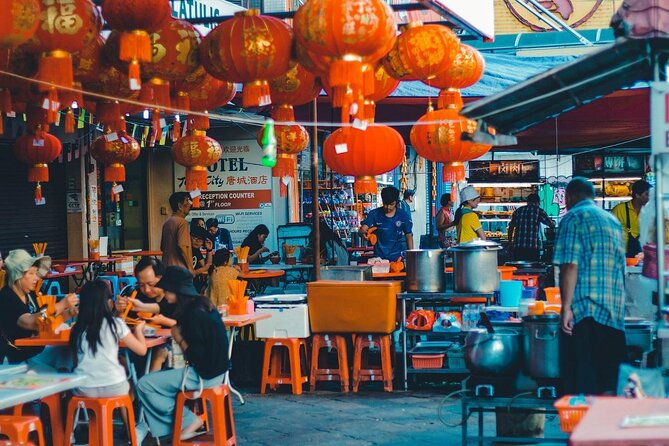
The tour begins near the information counter at Central Market in Kuala Lumpur City Centre. This is a sensible meeting point because it puts you close to Chinatown, Petaling Street, and several major food areas without asking you to arrange a complicated transfer.
You make your own way there. Hotel pickup and drop-off are not included, so use a taxi or Grab and ask to be dropped at Central Market Kuala Lumpur. Public transport is also nearby, but the supplied details do not specify a particular station or route, so allow extra time if you are unfamiliar with the city.
The host begins with introductions and an outline of the walk. That first 15 minutes matters more than it sounds. Food walks work best when you know how much you are expected to eat at each stop and can tell the host about allergies, religious restrictions, or other dietary needs before the plates begin arriving.
The group can include up to 15 people. That is small enough for a host to keep an eye on everyone, though it is not the same as a private tour. If the group is full, you will share the eating stops and conversation with other participants.
A few more Kuala Lumpur trips worth a look
- Kuala Lumpur: Batu Caves Half-Day Tour with Pick-Up Option
★ 4.5 · 4,288 reviews - Private Half-Day Batu Caves and Cutural Tour in Kuala Lumpur
★ 5.0 · 3,107 reviews - Sambal Streets Kuala Lumpur Food Tour with 15+ Tastings
★ 5.0 · 2,438 reviews
Petaling Street and the Chinatown Food Scene
From Central Market, you walk toward Petaling Street, the main market street in Chinatown. The route gives you a quick look at souvenir stalls, food sellers, and the everyday shopping side of the district before the tastings take over.
The Petaling Street stop is brief, around 15 minutes. Think of it as orientation rather than a full shopping visit. You can look around, get a feel for the area, and perhaps note places to return to later. You will not have unlimited time to browse, so save serious souvenir shopping for another visit.
This part of Kuala Lumpur is useful for understanding how different food cultures sit close together. The tour does not focus on one national cuisine. Instead, it moves between Chinese Malaysian barbecue, Malay-style pancakes, Indian Muslim drinks and breads, and Chinese noodles.
That variety is the strongest reason to book. You are not simply ordering one large meal. You are trying small portions across several food traditions, which makes it easier to compare flavors and decide what you want to seek out again during your stay.
Bakkwa, Malaysian Chinese Barbecue in Small Bites
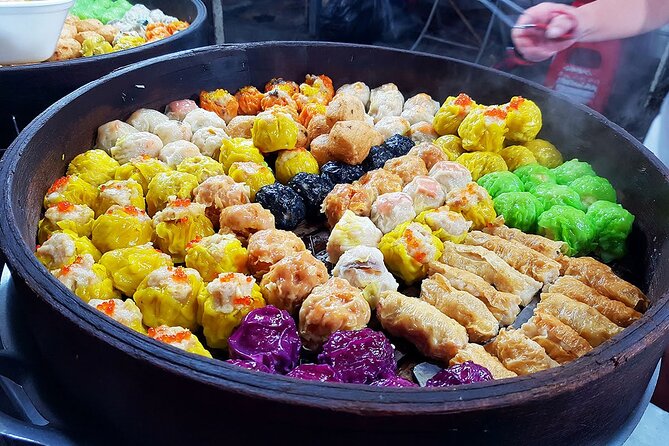
The first major tasting is bakkwa, a Chinese dry meat specialty. You try two types of meat, giving you a chance to compare textures and seasoning rather than treating the food as a single generic sample.
Bakkwa is closely associated with Malaysian Chinese food culture. It is prepared as a sweet-savory dried barbecue meat, and it has a firm, chewy character that differs from the roast meats many visitors already know. This is the kind of stop where a host adds real value, since the name and preparation may be unfamiliar.
The portion is part of a sequence, not a full serving. That is good news because the walk still has several stops ahead. I would resist the temptation to eat too quickly here. You need room for the pancake, drinks, bread, noodles, and fruit that follow.
If you avoid meat, tell the host when booking. The tour offers vegetarian and halal options, but the details of the replacement food are not specified. The available food stops may also change if a particular street seller is unavailable, though the experience is intended to remain local and authentic.
Apam Balik and the Sweet-Salty Turn
Next comes apam balik, a Malaysian-style pancake. It is described as soft in the middle with crisp edges, and the filling brings a sweet contrast after the savory bakkwa.
This is a useful example of how the tour moves beyond famous main dishes. Apam balik is easy to overlook if you only search for Kuala Lumpur’s best-known meals, yet its mix of tender pancake and crunchy edge gives you a clear sense of local snack culture.
The timing also works well. After a meat sample, a warm pancake provides a different texture and flavor. Because each tasting lasts roughly 15 minutes, you get enough time to try the food and ask questions without sitting through a long restaurant meal.
The drawback is that a food walk can feel rushed if you prefer to linger. The schedule packs several tastings into three hours, so this suits you if you enjoy variety and movement. It is less suitable if you want a long, relaxed dinner at one table.
Same country, a completely different kind of day:
- Historical Malacca Guided Day Tour (Shared Tour)
★ 5.0 · 2,172 reviews - Kuala Lumpur: Sambal Street Food Tour with 15+ Tastings
★ 4.9 · 1,657 reviews - From Kuala Lumpur: Batu Caves Cultural Temple Tour
★ 4.7 · 1,453 reviews - Genting Highland & Batu Cave Guided Day Tour (SIC/Shared Tour)
★ 5.0 · 1,289 reviews
Soya Bean Drink, Tofu Fa, and Tropical Fruit
After the first three food tastings, you receive a soya bean drink, served hot or cold. The hot version may come with tofu fa, a soft, jelly-like soy dessert. This gives the middle of the tour a gentler pause before the next savory stop.
You also sample local tropical fruits during the walk. The exact fruit is not listed, and availability can change, but this part adds freshness to a meal that otherwise includes meat, bread, noodles, and sweet snacks.
I like this section because it shows that Malaysian food stops are not limited to restaurant dishes. Drinks and simple desserts are part of the daily eating rhythm. The hot soya option is especially useful if you want something mild after stronger flavors.
Tell the host about food allergies before the walk begins. The company asks you to provide dietary information at booking, and the host can take it into account. Still, anyone with a serious allergy should speak clearly and confirm each tasting before eating.
Teh Tarik and Roti Canai at an Indian Muslim Restaurant
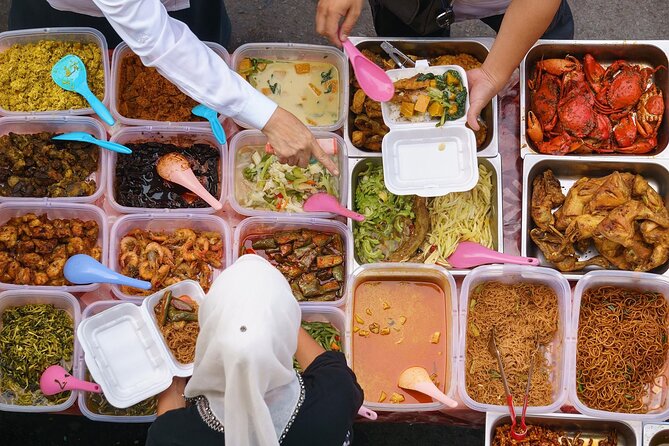
The next stop moves to a local Indian Muslim restaurant for teh tarik and roti canai. Teh tarik is Malaysia’s famous pulled milk tea, while roti canai is a flaky, pan-cooked bread often eaten with sauces or curry.
This may be the most satisfying stop for many people because it combines a drink with a substantial snack. One participant specifically found the roti canai to be the best roti of their trip so far. That is a useful clue for anyone who wants to understand why this stop receives such strong attention.
Teh tarik is also more than a cup of sweet tea. Its preparation, with tea poured between containers to create a foamy top, is part of the appeal. The tour information does not promise a demonstration, so do not book solely for a tea-pulling performance. You will, however, get to sample the drink that is widely treated as Malaysia’s signature beverage.
This is labeled as a breakfast or tea-time delicacy, which helps explain the format. You are not eating a formal dinner. You are following the way Malaysians may snack through the day, with bread, tea, fruit, sweets, and noodles appearing in different settings.
Hokkien Mee Finishes the Walk
The final tasting takes place at a Chinese restaurant, where you try Hokkien mee. This is a noodle dish associated with Malaysian Chinese cooking, and it brings the tour back to the Chinese food traditions introduced with bakkwa.
Ending with noodles makes practical sense. After several small samples, Hokkien mee gives you a more filling final taste and a chance to compare a cooked restaurant dish with the market snacks earlier in the walk.
The description calls this a unique-style Chinese noodle dish, but it does not provide the exact ingredients or portion size. If you have dietary restrictions, ask before the dish arrives. Vegetarian and halal arrangements are available when requested, although substitutions may vary by stop.
Once the noodle tasting is over, the walk returns to the original Central Market meeting point. The activity lasts about three hours, with each listed stop taking around 15 minutes. Weather, safety rules, and food availability can affect the timing or location of some stops.
What the $104.80 Price Really Buys You
At $104.80 per person, this tour costs much more than buying individual snacks in Chinatown. If your only goal is to eat the largest amount of food for the least money, you can do better by exploring independently.
The price makes more sense if you want a planned route, an English-speaking host, multiple tastings, bottled water, and a comfortable introduction to dishes you might not recognize. Food, drinks, and dessert tastings are included, which removes the worry of paying separately at every stop. The small-group format also gives you more direct access to the host than a large coach excursion.
You are paying for structure and interpretation as much as for food. A host such as Rayhan Raj Naidu can explain what you are tasting, help you handle unfamiliar dishes, and offer suggestions for the rest of your time in Malaysia. One participant found his advice useful even after the tour, including help with a road trip around the country.
Still, the value depends on your appetite and interests. A solo participant noted that eating alone can limit the chance to share more foods with a larger group. That is a fair point. On the other hand, a solo booking may give you more direct conversation with the host, especially if the group is not full.
The tour includes bottled water, but additional drinks are not included. Alcoholic drinks are specifically excluded. Given the steady pace and amount of food, you should arrive hungry rather than plan a large meal immediately before the start.
Walking, Clothing, and Dietary Planning
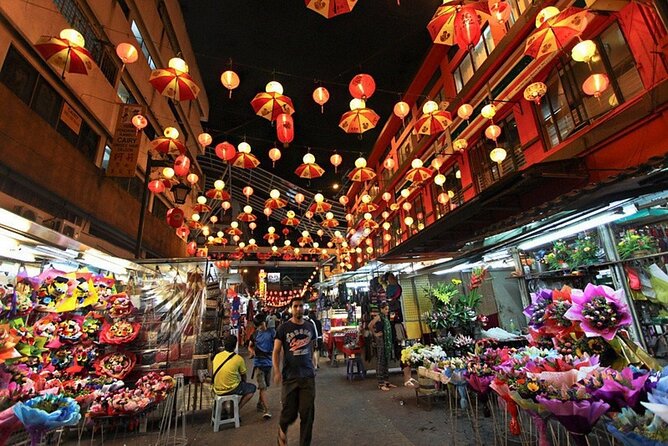
Expect about 2 to 3 kilometers of walking, with stops to rest and eat. Most people with moderate physical fitness should manage it, but you will be on your feet through market streets and restaurant areas. Comfortable shoes are a practical choice.
The supplied information also gives temple clothing guidance. If the route includes a Hindu temple, shoulders must be covered and trousers or skirts should reach at least the knees. You may use a scarf or shawl for your shoulders. Shoes must be removed at the entrance, and lockers are available.
The food plan can accommodate halal and vegetarian needs if you notify the company at booking. You should also list allergies and special diets, then remind the host at the start. Since individual street food locations can change based on availability, the exact replacement dish cannot be guaranteed in advance.
The activity is listed as suitable for most people, but you should consider your own ability to walk 2 to 3 kilometers and remain on your feet for several hours. There is no hotel transport, so factor in the journey to and from Central Market.
Who Will Enjoy This Chinatown Food Walk
I would choose this experience if you are new to Kuala Lumpur and want a guided first taste of several food traditions without spending your first evening guessing what to order. It is also a good fit for solo visitors who want company and a local point of contact.
Food-focused couples and small groups should enjoy the range of stops. You can compare reactions to the bakkwa, apam balik, teh tarik, roti canai, and Hokkien mee, while the host keeps the route moving.
This is less appealing if you already know Chinatown well, prefer a long restaurant dinner, or mainly want bargain street food. You may also find the cost high if you do not need explanations or organized transport to each stop.
The strongest praise has centered on the host, especially Rayhan Raj Naidu. He is described as friendly, helpful, and attentive, with practical suggestions beyond the food walk itself. That personal touch is important here because the route and street-food locations may change.
Should You Book It?
Book this walk if you want a guided introduction to Kuala Lumpur food culture, enjoy tasting many small dishes, and appreciate help choosing unfamiliar foods. The combination of Chinese, Malay, and Indian Muslim stops is the main draw, and the included food and drinks make the price easier to understand.
Skip it if you are seeking the cheapest possible meal or a slow evening focused on one restaurant. You will need to arrange your own transport, walk 2 to 3 kilometers, and arrive with plenty of appetite.
For most first-time visitors who want a friendly start in Chinatown, I think the tour earns its place on the schedule. Give the host your dietary needs in advance, meet at Central Market before 4:00 pm, and keep the rest of the evening free enough to enjoy the food without rushing away.
FAQ
Where does the Chinatown food tour begin?
The tour begins at the entrance to Central Market, near the information counter, in Kuala Lumpur City Centre.
What time does the activity start?
The scheduled start time is 4:00 pm.
How long does the tour last?
The experience lasts approximately three hours.
How much walking is involved?
You should expect about 2 to 3 kilometers of walking, with stops to relax and eat.
What food and drinks are included?
Included tastings feature bakkwa, apam balik, soya bean drinks, tofu fa, tropical fruit, teh tarik, roti canai, and Hokkien mee. Bottled water is also included.
Are halal and vegetarian options available?
Yes. Halal and vegetarian options are available, but you should advise the company of your needs when booking.
Is hotel pickup included?
No. Hotel pickup and drop-off are not included. You need to make your own way to Central Market by taxi, Grab, or public transport.
Can I cancel the booking for a refund?
Yes. You can cancel at least 24 hours before the local start time for a full refund. Cancellations or changes made less than 24 hours before the start are not accepted for a refund.
Just added around Kuala Lumpur
- Kuala Lumpur Airport Transfer to Kuala Lumpur City★ 4.0 · 6 reviews
- Cameron Highlands Tour from Kuala Lumpur★ 3.5 · 6 reviews
- Kuala Lumpur Batu Caves & Countryside Tour★ 4.0 · 6 reviews
- Treasures Of The Far East-Malacca, Museum, Trishaw Ride(Private)★ 5.0 · 6 reviews
- Kuala Selangor Sky Mirror Experience – Natural Mirror Beach Tour★ 5.0 · 6 reviews
- City and Batu Caves Tour★ 4.0 · 6 reviews
- 3-Night Cameron Highlands and Penang Tour from Kuala Lumpur★ 3.5 · 6 reviews
- Malaysia eSIM (1 to 30 days. Up to 60GB of Data)★ 5.0 · 6 reviews
Kuala Lumpur Tours, compared.
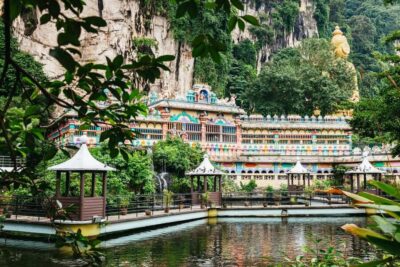
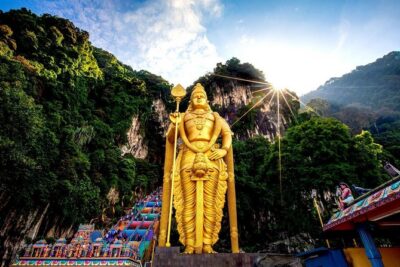
Private Half-Day Batu Caves and Cutural Tour in Kuala Lumpur
Read our review →
Sambal Streets Kuala Lumpur Food Tour with 15+ Tastings
Read our review →
Historical Malacca Guided Day Tour (Shared Tour)
Read our review →
Genting Highland & Batu Cave Guided Day Tour (SIC/Shared Tour)
Read our review →