
Reviewed · KOTA KINABALU TOURS
Kota Kinabalu: Mari Mari Cultural Village Tour
Mari Mari Cultural Village turns Sabah’s many cultures into one lively, easy-to-follow visit. In a few hours, you move between the homes and traditions of the Dusun, Rungus, Lundayeh, Bajau, and Murut, with house visits, demonstrations, samples, and a dance performance.
I like the friendly, hands-on approach, which gives you more than a row of buildings to photograph. I also like the simple transport plan: hotel pickup, a good vehicle and driver, entrance included, and no surprise tour charges. The main drawback is time. Four hours is enough for a useful introduction, but not enough for a slow, detailed study of each culture.
Key points to know
- Five Sabah cultural traditions in one visit: See how Dusun and Rungus farming and trading traditions differ from the hunting, fishing, seafaring, and warrior cultures presented at the village.
- House visits with activities and samples: The stops are designed for participation, not just listening.
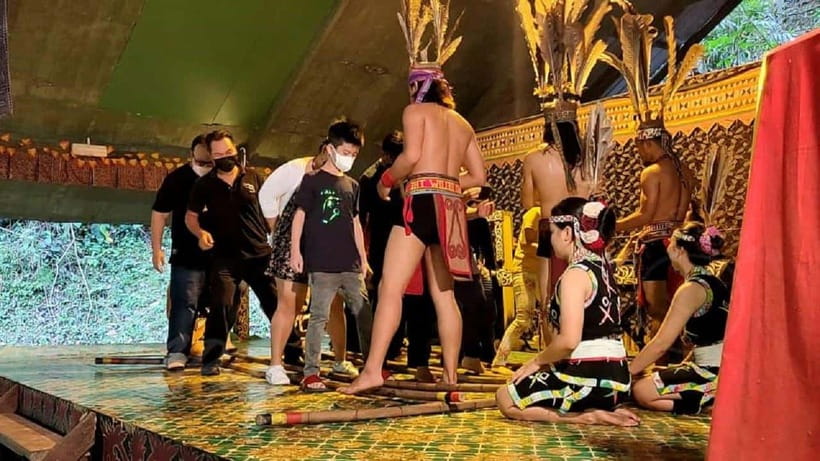
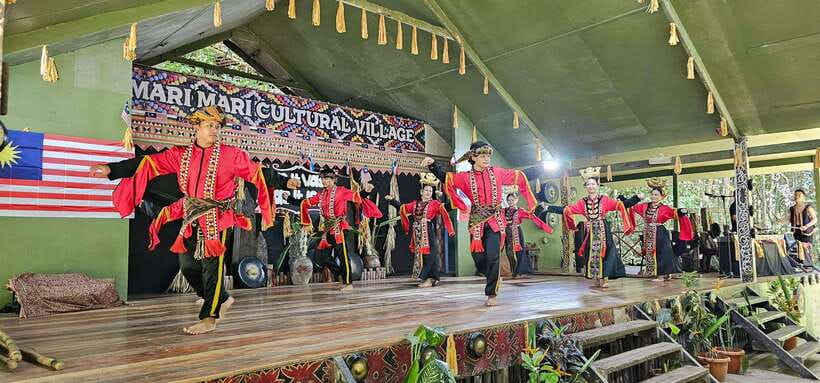
- A 30-minute traditional dance show: This gives the visit a strong visual finish and adds music and movement to the cultural displays.
- Hotel pickup and return included: Choose from Kota Kinabalu and several named pickup points, including 1 Borneo Mall, Lintas Plaza, and Pan Borneo Hotel.
- Morning or evening meal arrangement: The morning session includes lunch, while the evening session includes high tea.
- Bring Malaysian ringgit: Cash is useful if you want to buy a souvenir, and drinks are not included.
Why Mari Mari works as a first look at Sabah culture
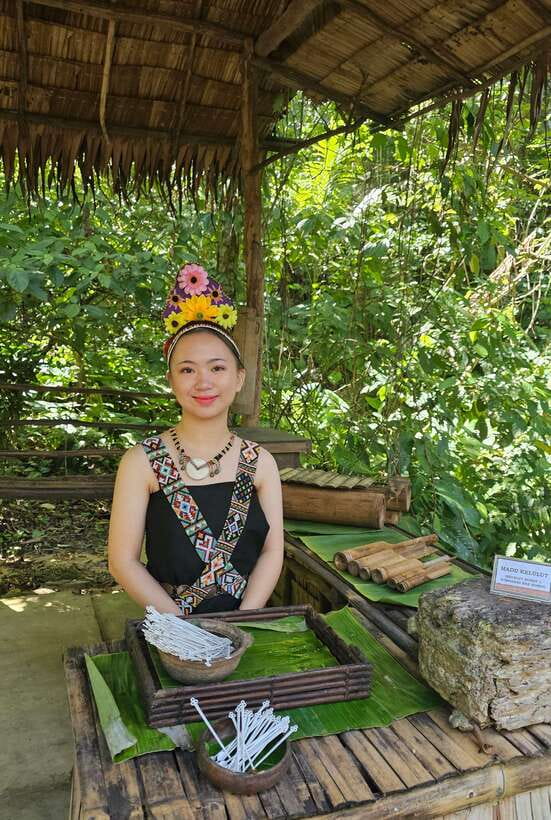
Sabah is home to many communities, and Mari Mari Cultural Village gives you a way to meet several traditions in one half-day outing. The setting is built around traditional houses and cultural demonstrations, so you can compare ways of living instead of hearing one broad, flattened story about Sabah.
The village presents the Dusun and Rungus as farmers and traders, the Lundayeh as hunters and fishermen, the Bajau as cowboys and sea gypsies, and the Murut as a warrior tribe. Those short descriptions are only an introduction, but they help you place each stop within a larger picture of Sabah life.
I find this format useful if you have only a few days in Kota Kinabalu. You do not need to arrange several separate trips, and you get a clear introduction before exploring more of Sabah on your own.
There is also a useful link between past and present. The presentation is not only about old customs. The tour explains that these groups still have relevance today, and the driver and guide identify clearly with their own communities. That personal connection can make the visit feel more grounded than a generic stage show.
A few more Kota Kinabalu trips worth a look
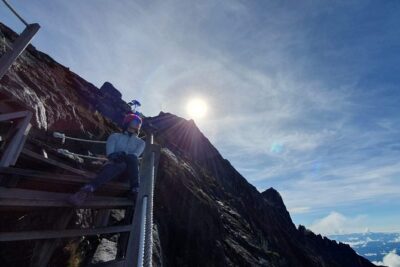
- 2D1N Mount Kinabalu Climbing
★ 5.0 · 494 reviews - Bongawan River Cruise: Proboscis Monkey & Fireflies Mangrove
★ 4.8 · 437 reviews - Guided Snorkeling Day Trip, Kota Kinabalu, Sabah, Malaysia
★ 5.0 · 282 reviews
Getting there from Kota Kinabalu
The tour lasts about four hours, with return transport included. Pickup is available from hotels in Kota Kinabalu, and the listed collection points include Kota Kinabalu city, Karambunai Resort Golf Club, 1 Borneo Mall, Rasa Ria Reserve by Shangri-La, Lintas Plaza, and Pan Borneo Hotel Kota Kinabalu.
You are asked to wait in the hotel lobby from 10 minutes before the scheduled pickup time. That is a small but important detail. Hotel collection times can vary, and being ready early helps the driver keep the group moving.
The transport is one of the practical strengths here. You do not need to find a taxi to a rural cultural site, negotiate a fare, or arrange a separate ride back. The package includes an English or Malay-speaking driver and guide, so the vehicle is not just transport. It is part of the guided service.
The exact drive time is not stated, but one recent booking described the village as only about half an hour from Kota Kinabalu city centre. That makes this easier to fit into a short stay than a full-day trip into the interior.
Entering the traditional houses
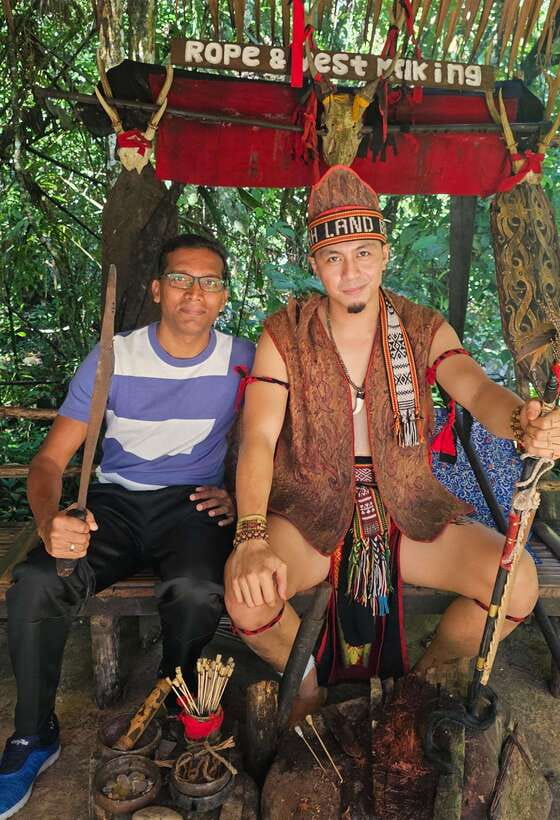
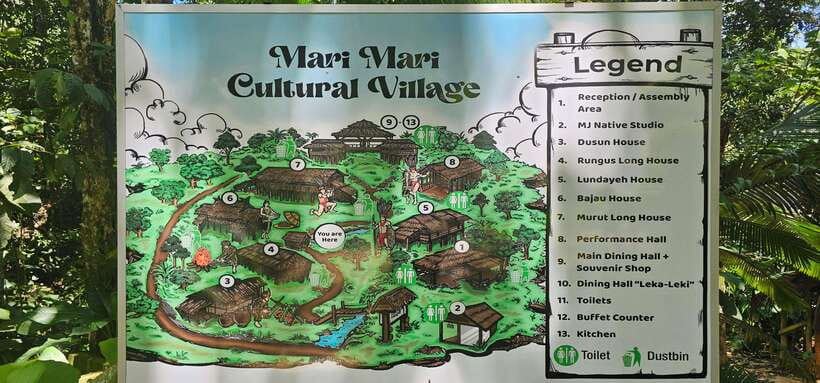
The main guided portion lasts about two hours. Rather than rushing straight to a performance, you walk through the village and visit houses linked with different Sabah communities.
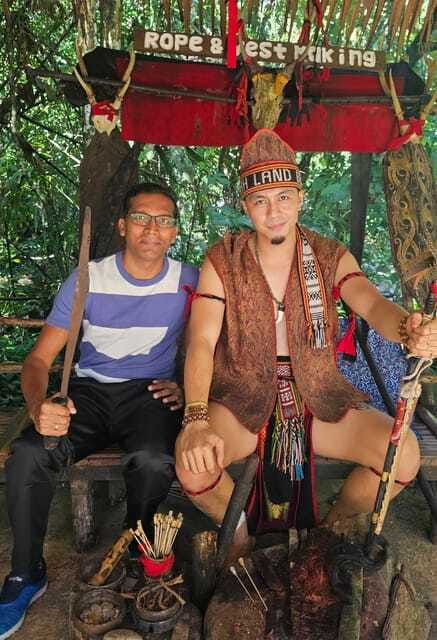
The house visits are the heart of the experience. They let you see how architecture, work, food, and social customs fit together. The village presents the Dusun, Rungus, Lundayeh, Bajau, and Murut traditions as distinct parts of Sabah, while the guide explains the activities connected with each setting.
The Dusun and Rungus sections focus on farming and trade. These are useful stops for understanding how food production and exchange shaped daily life. The Lundayeh presentation adds another angle, with hunting and fishing placed at the centre of the community’s way of living.
The Bajau section covers a particularly different identity. The group is presented through its links with horses and the sea, described here as the traditions of cowboys and sea gypsies. That contrast helps show why Sabah cannot be understood through one single cultural label.
The Murut section brings in the image of the warrior tribe. It adds a different mood to the walk and broadens the picture beyond farming, fishing, and trade.
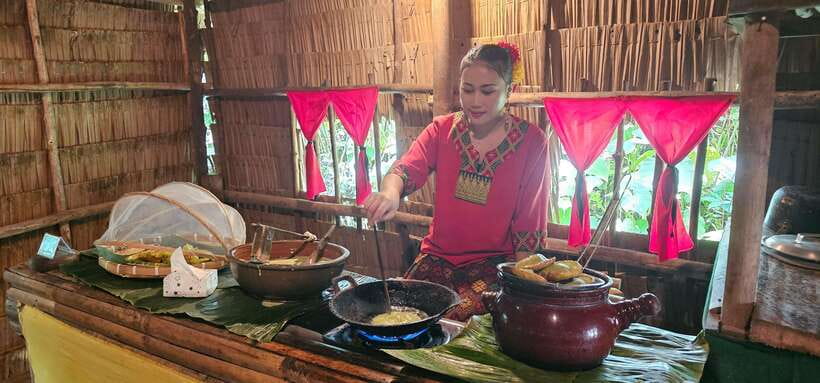
You should expect an active presentation rather than a quiet museum visit. The house stops include participation points and tastings. That may mean trying a sample, taking part in a simple activity, or watching a demonstration at close range. The information provided does not specify every activity, so it is best to treat the exact sequence as something your guide will reveal on the day.
Wear comfortable shoes and clothes. The visit includes walking, and sandals may be useful in warm weather, though the basic advice is to choose footwear you can comfortably use around the village.
Small activities make the culture easier to remember
A cultural site can feel flat if you only look at objects behind glass. Mari Mari avoids much of that problem by giving you things to do and taste.
The participation points are valuable because they turn broad facts into physical memories. You may remember a simple task or local sample more clearly than a long explanation about a community’s economy. The hands-on structure also suits families and anyone who prefers learning by doing.
Food samples provide another link with daily life. They are not meant to replace a full meal, but they help show how local ingredients and preparation fit into the cultural presentation. If you have dietary concerns, the supplied information does not give specific menu details, so ask the guide before eating anything.
Bring your camera and a charged smartphone. The houses, demonstrations, costumes, and dance show create plenty of photo opportunities. You should still pay attention to any instructions about photography during cultural activities.
Bring your own drinks as well. Beverages are not included, and the practical advice specifically lists drinks among the things to pack. Malaysian ringgit is also worth carrying if you want to purchase a souvenir.
Same country, a completely different kind of day:
- Kota Kinabalu: Mari Mari Cultural Village Tour with Lunch
★ 5.0 · 152 reviews - Bongawan Wetland: Proboscis Monkey and Fireflies Shared Tour
★ 4.2 · 137 reviews - Borneo (Klias) River Cruise & Fireflies Tour
★ 4.5 · 126 reviews - Sky-Mirror Photographing and Proboscis Monkey & Fireflies Watching River-Cruise
★ 4.0 · 109 reviews
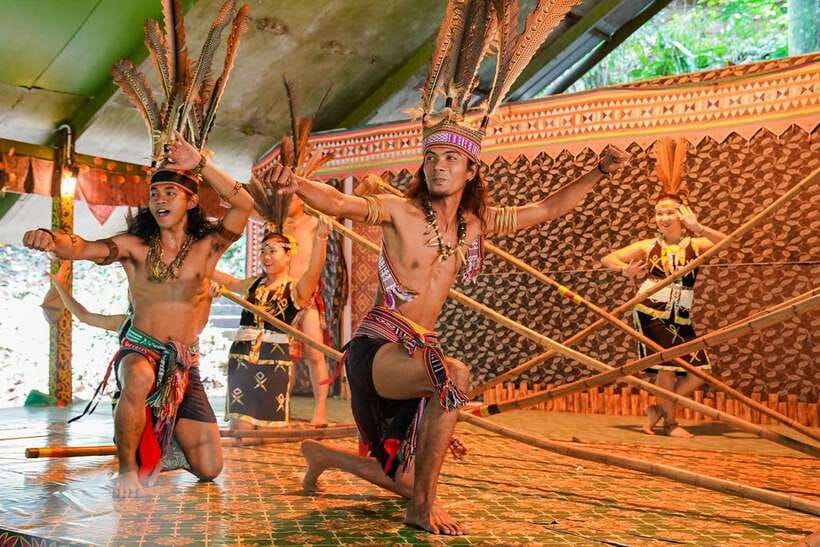
The 30-minute traditional dance show
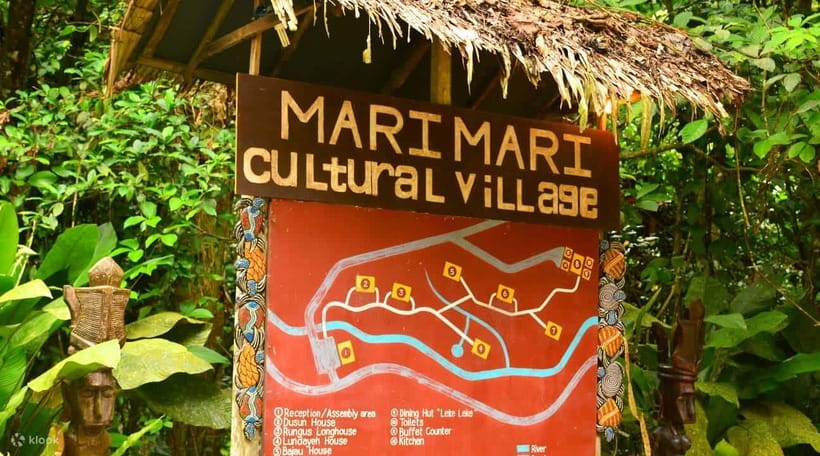
After the guided walk, the program includes a 30-minute traditional dance performance. This is a sensible part of the visit because it gathers the cultural themes into one lively presentation.
Dance communicates things that a spoken explanation cannot. Clothing, rhythm, movement, and group performance give you a clearer sense of how public cultural expression works. The show also provides a change of pace after two hours of walking and house visits.
Do not expect the dance show to explain every community in equal detail. A short performance is a sample, not a complete account of Sabah’s performing arts. Still, it gives the visit a strong finish and makes the experience more than a sequence of guided stops.
If you are taking photographs, a camera or charged phone will be useful. The supplied information does not state whether the show has fixed seating or a particular viewing arrangement, so follow the guide’s directions when you arrive.
Lunch in the morning or high tea in the evening
Food is included, but the meal depends on the session you choose. The morning session includes lunch, while the evening session includes high tea.
That difference matters when you plan the rest of your day. A morning visit can serve as a cultural outing followed by a meal, while an evening visit offers a lighter refreshment break rather than a full lunch. The details do not specify the exact dishes or high tea menu, so do not book this as a food-focused excursion.
Beverages and miscellaneous charges are not included. Carry cash for drinks and souvenirs, even though the main tour price covers the return transfer, entry, guide, and stated meal.
Is the $106 price good value?
At $106 per person, this is not the cheapest way to spend four hours in Kota Kinabalu. The value depends on what you would otherwise have to arrange.
The price includes hotel pickup and return, entrance, a joined group tour, an English or Malay-speaking driver and guide, the two-hour guided visit, the dance show, and the meal associated with your session. You are paying for convenience as well as access.
That package makes more sense if you are staying outside the city centre, do not want to rent a car, or prefer a planned cultural visit with transport handled. The vehicle and driver were specifically praised in the supplied information, and the absence of hidden charges is reassuring.
The value is weaker if you want a private guide, a long visit at each house, or a deep study of one specific community. This is a broad introduction. You see five cultural traditions, but the four-hour schedule necessarily keeps the pace moving.
For a first visit to Sabah, I consider the price reasonable if you value a smooth half-day plan. For a budget-conscious visitor who can arrange local transport independently, it may feel expensive.
What the guide adds
The guide is central to how much you get from the village. English and Malay are available, and the tour information describes an English-speaking driver and guide.
The personal connection is important here. The guide and driver are described as identifying clearly with their own communities, which gives the cultural presentation a more direct human link. That does not turn the visit into a private interview, but it can help you understand that these traditions are not simply old displays.
One especially good feature is the mix of explanation and activity. The guide leads you through the houses, then gives you ways to see, taste, or try something connected with the stop. A friendly presentation can make the material easier to remember, especially for children.
Guide quality can vary from one departure to another, and the available information does not provide guide names. I would judge the tour by the live interaction on the day rather than expect a lecture-style class.
Who will enjoy this four-hour visit
I would recommend Mari Mari Cultural Village to you if you want a clear introduction to Sabah without committing to a full-day excursion. It suits first-time visitors, families, couples, and anyone staying in Kota Kinabalu who wants culture alongside beaches and city sightseeing.
It is also a good choice if you like variety. The tour combines transport, walking, traditional houses, activities, samples, dance, and food. You do not need to organize each part separately.
The format works well for people who enjoy guided interpretation. If you prefer to wander alone and read at your own pace, the joined group format may feel structured.
The visit is less suitable if you are seeking an extensive anthropological study or a long stay with one community. The village presents several traditions in a compact setting, so expect comparison and introduction rather than a complete account of everyday life.
Comfortable clothes, a hat, and practical shoes will help. Bring your passport or ID card, including one for children, along with cash, drinks, and a charged phone. A collared shirt is also listed among the recommended items.
Booking flexibility and practical details
You can cancel up to 24 hours before the activity for a full refund. The reserve-now, pay-later option lets you hold a place without paying immediately, which is useful when your Kota Kinabalu schedule is still changing.
Check the available starting times before booking because the activity lasts four hours and has morning and evening arrangements. Make sure the selected pickup point matches your hotel or use the listed locations such as 1 Borneo Mall, Lintas Plaza, or Pan Borneo Hotel.
The tour includes a joined group, not a private vehicle reserved only for you. That keeps the arrangement straightforward, but the pace will be set for the group.
Should you book Mari Mari Cultural Village?
Book it if you want a practical, well-organized introduction to five Sabah cultures with transport, entry, guiding, activities, a dance show, and food included. The friendly house visits and personal connection from the guide make the presentation more memorable than a simple photo stop.
Think twice if you want solitude, a private cultural specialist, or a long and quiet visit with one community. At $106, the tour earns its price through convenience and variety, not through depth.
For most first-time visitors based in Kota Kinabalu, I would put this high on the shortlist. It gives you a useful cultural frame for the rest of Sabah, and it does so without taking up a full day.
FAQ
How long does the Mari Mari Cultural Village tour last?
The activity lasts four hours. About two hours are set aside for the guided village walk, followed by a 30-minute traditional dance show and a meal.
Is hotel pickup included?
Yes. Pickup and return transfer are included. Pickup is available from hotels in Kota Kinabalu, with listed points including Kota Kinabalu, Karambunai Resort Golf Club, 1 Borneo Mall, Rasa Ria Reserve by Shangri-La, Lintas Plaza, and Pan Borneo Hotel Kota Kinabalu.
What languages are available?
The live guide is available in English and Malay. The included service also specifies an English-speaking driver and guide.
Is this a private tour?
No. It is a joined group tour.
Is food included?
Yes. The morning session includes lunch, and the evening session includes high tea.
Are drinks included?
No. Beverages and other miscellaneous charges are not included. Bring your own drinks and Malaysian ringgit for purchases.
What should I bring?
Bring a passport or ID card, comfortable shoes and clothes, a hat, sandals if useful, a camera, drinks, cash, and a charged smartphone. A collared shirt is also listed among the suggested items.
Can I cancel the booking?
Yes. You can cancel up to 24 hours in advance for a full refund. You can also reserve now and pay later.
Just added around Kota Kinabalu
- Kota Kinabalu | Snorkeling Sapi Island/Manukan Island★ 3.1 · 3 reviews
- Kota Kinabalu: Maragang Hill Guided Hike with Pickup★ 4.3 · 3 reviews
- Kinabalu Park Day Trip★ 3.5 · 3 reviews
- Kota Kinabalu : Mari-Mari Cultural Village Day Tour★ 4.7 · 3 reviews
- Private Guided E-Foil Experience in Tanjung Aru Beach★ 4.5 · 3 reviews
- Sabah: Mantanani Island Day Tour with Lunch★ 5.0 · 3 reviews
- Kota Kinabalu Half Day City Tour with Professional Tour Guide★ 4.0 · 3 reviews
- Flavours of Sabah: A Cooking Class★ 4.6 · 3 reviews
Kota Kinabalu Tours, compared.

Bongawan River Cruise: Proboscis Monkey & Fireflies Mangrove
Read our review →
Guided Snorkeling Day Trip, Kota Kinabalu, Sabah, Malaysia
Read our review →
Bongawan Wetland: Proboscis Monkey and Fireflies Shared Tour
Read our review →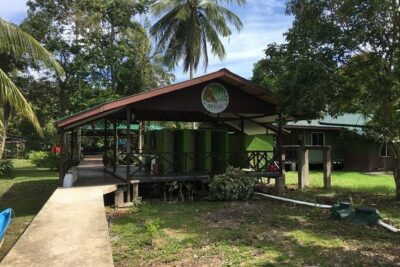

Sky-Mirror Photographing and Proboscis Monkey & Fireflies Watching River-Cruise
Read our review →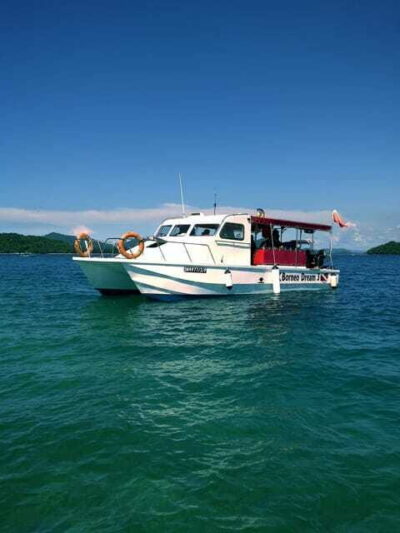
Full-Day Guided Snorkeling Tour from Kota Kinabalu
Read our review →Browse the lists this tour appears in