
Reviewed · KOTA KINABALU TOURS
Sabah Traditional Authentic Cuisine Cooking Class 3 Hours
Sabah cuisine comes to life here in a home kitchen or front porch, not behind a hotel buffet. You cook with local chefs such as Auntie Winnie, Auntie Cindy, and Chef Bonny, hear the story behind each ingredient, and sit down to eat what you have made.
I like the use of fresh ingredients, including produce from Auntie Winnie’s garden, and the patient, step-by-step teaching. I also like that the class can accommodate vegetarian, no-pork, gluten-free, and other dietary needs when you explain them in advance. The main consideration is that ingredients are prepared before the class, so this is a cooking workshop rather than a market visit or a full ingredient-preparation lesson.
Key points at a glance
- A home-based Sabah food experience: Classes may take place at a local host’s home, terrace, garden, or front porch.
- Three hours from 10 a.m. to 1 p.m.: Cooking leads directly into lunch, so arrive hungry.
- Local chefs with personal stories: Auntie Winnie, Auntie Cindy, Chef Bonny, and other local hosts explain ingredients, cooking methods, and food culture.
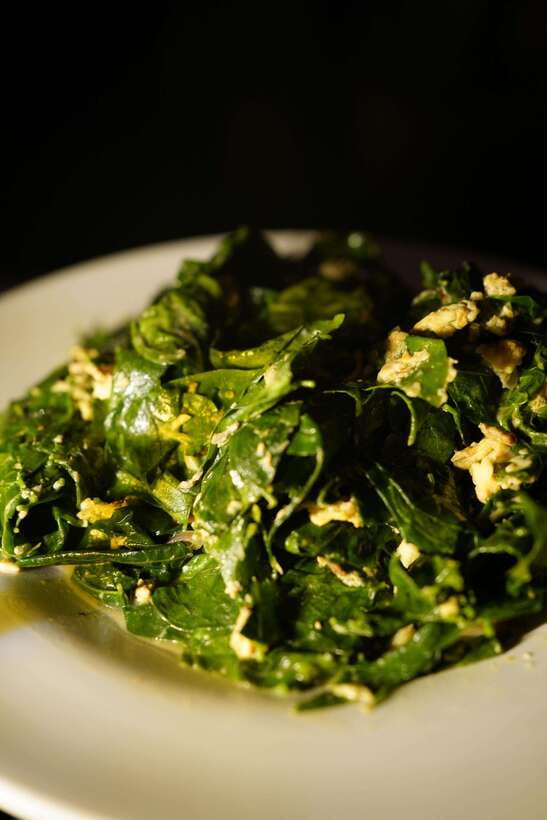
- Unusual regional flavors: You may work with bunga kantan, lemongrass, jungle garlic, local fish, and fresh vegetables.
- Recipes to take home: You receive copies so you can try making Sabah dishes in your own kitchen.
- Downtown pickup included: Free hotel pickup is available from downtown Kota Kinabalu.
A three-hour introduction to Sabah food
This is a compact cooking class, but it is not rushed in spirit. The usual session runs from 10 a.m. to 1 p.m., giving you enough time to hear the background of the food, cook several dishes, and eat lunch before the afternoon gets underway.
The class is mainly conducted indoors, though the setting may feel more like a local home than a formal culinary school. Some sessions take place on a terrace, in a garden, or on a front porch. That change of setting matters. You are not only learning a recipe. You are seeing how food fits into a Sabahan household.
The experience is described as the first and original traditional Sabah cuisine cooking class, and the format focuses squarely on local food. You are not being taught a generic Malaysian menu designed for tourists. The aim is to explain Sabah ingredients, cooking styles, flavors, and food customs in a way you can understand and repeat at home.
A few more Kota Kinabalu trips worth a look
- LaZat Malaysian Cooking Class
★ 5.0 · 87 reviews - Malaysia Cooking Classes With Local
★ 5.0 · 87 reviews - New Malaysian Kitchen Cooking Class and Garden Tour
★ 5.0 · 54 reviews
Meeting Auntie Winnie, Auntie Cindy, or Chef Bonny
The instructor can vary. You may cook with Auntie Winnie, Auntie Cindy, or Chef Bonny, with other hosts and assistants involved in some sessions. These are local cooks with personal ties to Sabah food and culture, not simply instructors reading from a standard script.
Auntie Winnie appears closely connected to the home-based format. Her class may include a look at ingredients from her own garden, followed by cooking on her terrace or porch. You may also meet Judith, the homeowner and host, as well as helpers such as Gregory or Gunnar. The setting is informal and social, with family involvement forming part of the experience.
Auntie Cindy is also presented as a local host with a strong grasp of Sabah culinary traditions. Chef Bonny is another named instructor. The exact combination depends on the day, but the important point is that the teaching comes from people who know the food through daily life, family practice, and local custom.
The strongest part of this approach is the conversation. You can ask why an ingredient is used, how its flavor changes during cooking, or what makes a Sabah dish different from food elsewhere in Malaysia. That sort of explanation gives you more than a recipe card.
From garden ingredients to the cooking table
The ingredients are prepared before the workshop. This keeps the three-hour class focused on cooking, but it also means you will not spend the morning shopping in a market, cleaning fish, or grinding every paste from scratch.
That tradeoff will suit most people. If your goal is to learn how to combine unfamiliar local ingredients and produce a meal in a manageable time, pre-preparation is useful. If you want a full farm-to-table lesson, including shopping and every stage of preparation, you may find the format less hands-on than expected.
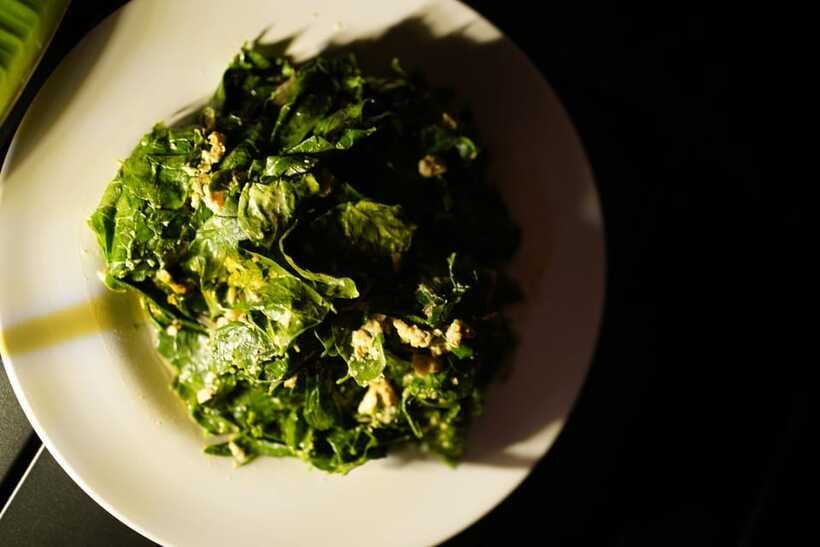
You can expect the instructor to explain the ingredients as you use them. Specific items mentioned during the cooking include bunga kantan, the torch ginger flower common in Southeast Asian cooking, lemongrass, and jungle garlic. These are not simply colorful additions. They bring floral, citrusy, savory, and earthy notes that help define the meal.
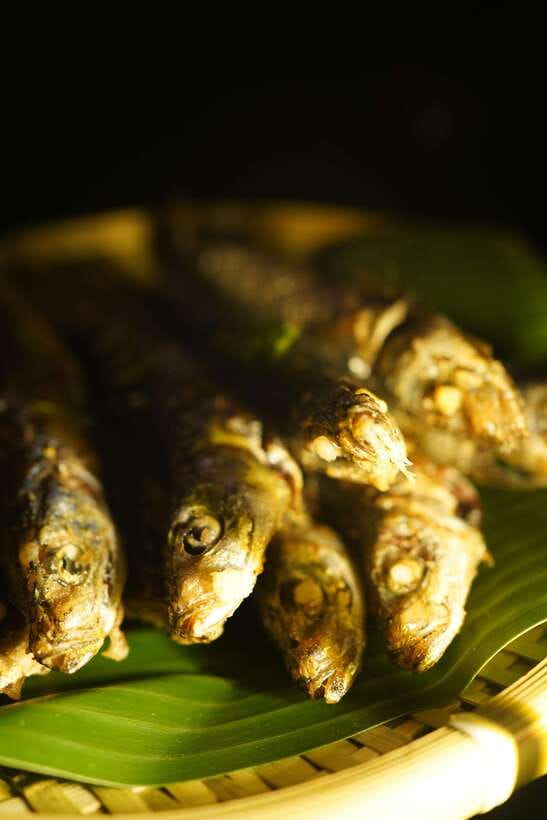
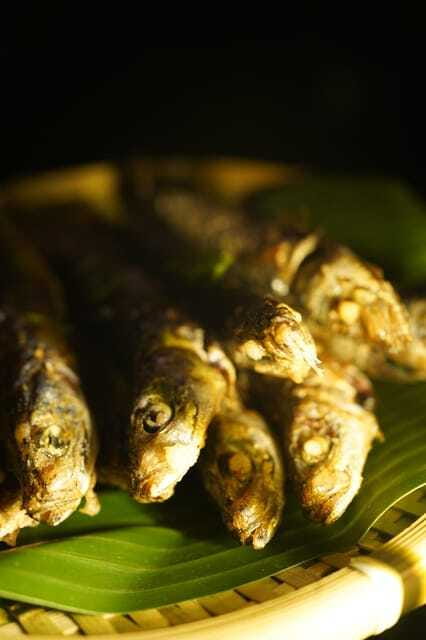
Local fish and vegetables may also feature in the menu. One class involved preparing more than five Sabah dishes, while another focused on fish and vegetables. The exact menu is not fixed in the information provided, so you should think of the class as a chance to learn a selection of traditional dishes rather than a guaranteed set menu.
Cooking step by step, without culinary-school pressure
The teaching style is practical. You are shown what to do, then given the chance to help prepare and cook the food. The instructors explain the cooking style and taste as they go, rather than leaving you to copy movements without context.
That makes the class suitable for a wide range of cooking ability. You do not need to arrive with professional knife skills or prior knowledge of Malaysian cuisine. The emphasis is on understanding the food and taking part.
The pace also leaves room for questions and conversation. Several sessions involved a warm, relaxed atmosphere, with the hosts explaining each ingredient and sharing anecdotes. That personal touch is important because Sabah cuisine can be unfamiliar even to people who have eaten widely across Malaysia.
I would pay close attention when the chef discusses taste. Recipes can tell you how much of an ingredient to use, but they cannot always explain what the finished dish should smell or taste like. Learning that balance is what makes the recipes useful after you return home.
Same country, a completely different kind of day:
- 2D1N Mount Kinabalu Climbing
★ 5.0 · 494 reviews - Bongawan River Cruise: Proboscis Monkey & Fireflies Mangrove
★ 4.8 · 437 reviews - Guided Snorkeling Day Trip, Kota Kinabalu, Sabah, Malaysia
★ 5.0 · 282 reviews - Kota Kinabalu: Mari Mari Cultural Village Tour with Lunch
★ 5.0 · 152 reviews
Lunch is the reward at 1 p.m.
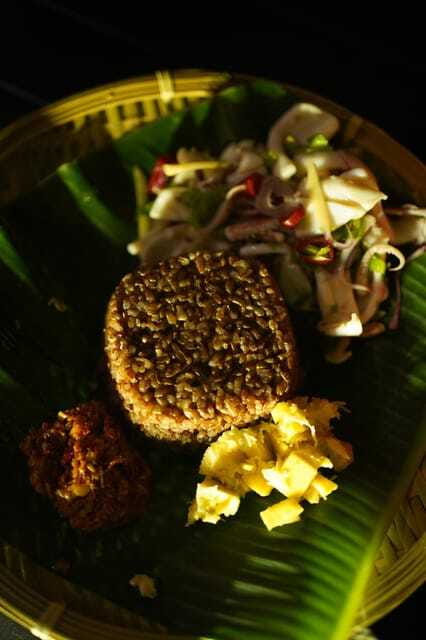
Once the cooking is done, you eat your own work for lunch at the location. This is one of the simple pleasures of the class. You have handled the ingredients, watched the dishes change over heat, and then get to taste the final result while the details are still fresh.
Come hungry. The class information specifically encourages that, and one participant offered the practical warning not to eat pizza three hours beforehand. This is not a token tasting with one small sample. The meal is the natural finish to the workshop.
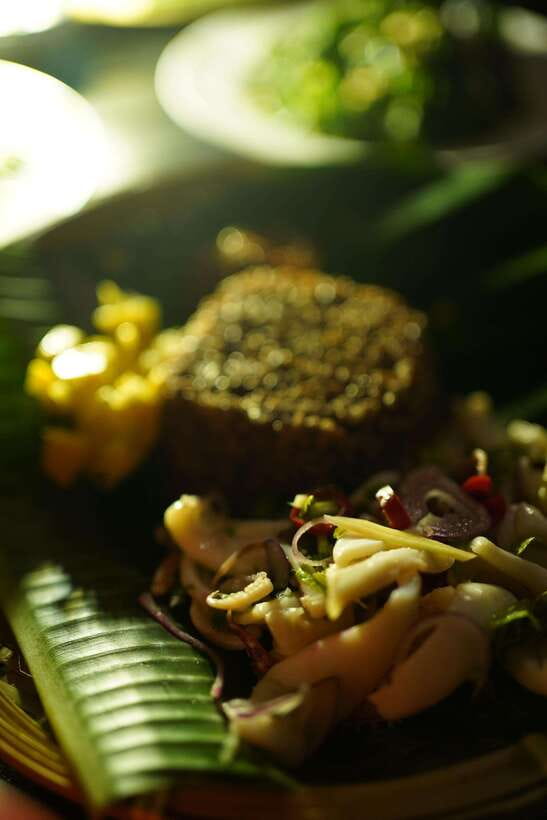
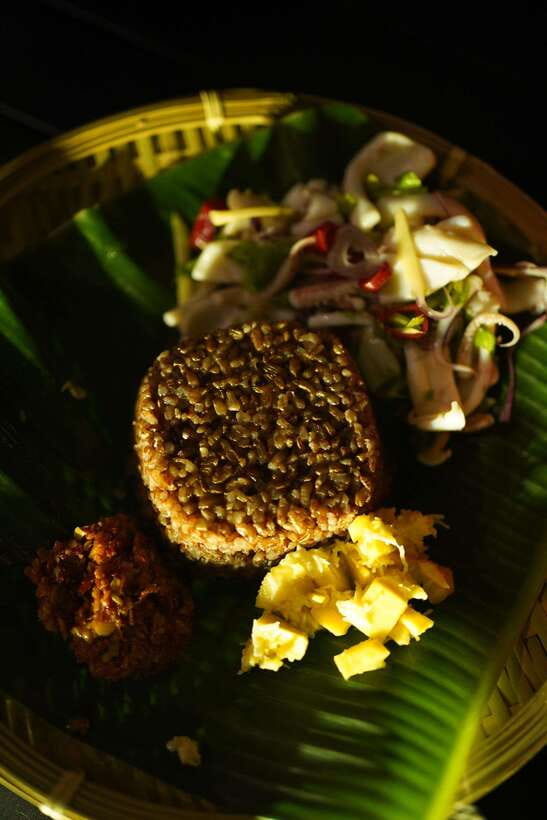
The food can introduce flavors you may not have encountered elsewhere. Bunga kantan, jungle garlic, lemongrass, fish, and local vegetables create a meal with a different character from standard Western cooking. The presentation is also described as part of the experience, so you can expect attention to how the dishes look as well as how they taste.
You may eat the results at the cooking location or arrange to take them home. That second option could be useful if you are staying nearby and want to save part of the meal, though the shared lunch is likely the better way to complete the class.
Why the home setting matters
A formal cooking studio can be tidy and efficient, but a local home offers something else. At Auntie Winnie’s home, the class may take place in a garden setting or on a front porch, with ingredients from the property. That gives you a clearer sense of how food connects to family life and place.
The home setting is not polished in the hotel-demo sense, and that is part of its appeal. You should expect a personal, lived-in environment rather than a staged attraction. The tradeoff is that facilities may be simpler, and the surroundings can vary depending on which host leads the session.
Some participants describe the tropical setting as serene, while others highlight the chance to spend time with the host’s family. You are likely to remember the people and the setting as much as the recipes. The cooking becomes a social meeting rather than a technical lesson alone.
For visitors who want only a perfectly controlled kitchen, this may feel informal. For you if the aim is to meet local people and understand food through their home life, it is a strong match.
Pickup from downtown Kota Kinabalu
Free pickup is included from hotels in downtown Kota Kinabalu. This is particularly useful because the class may take place outside the central hotel area, including at a host’s home. Transportation was arranged smoothly for some participants, though one person had an unpleasant taxi experience on the way to the cooking location.
That mixed point is worth keeping in mind. The activity includes pickup, but the quality of the transfer can depend on the driver and local arrangements. If you are collected, confirm the meeting details carefully and allow a little flexibility around the departure.
A drive beyond the center can improve the experience by moving you away from a standard tourist setting and toward a local home. Still, you should not assume that pickup is available from every Kota Kinabalu address. The stated offer applies to downtown hotels.
The class begins in the morning and finishes at lunchtime. That timing works well if you want your afternoon free for Kota Kinabalu sightseeing, a rest, or another activity.
Dietary needs and accessibility
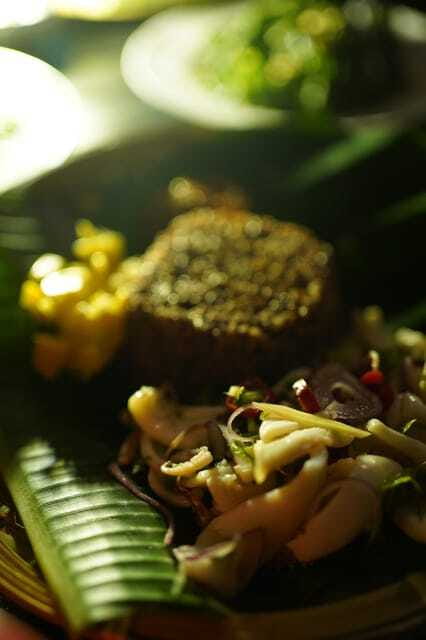
Vegetarian, no-pork, gluten-free, and other dietary requirements can be accommodated if you notify the operator beforehand. Do not wait until you arrive. The menu depends on ingredients prepared for the session, so early notice gives the chef a fair chance to adjust the dishes.
The activity is listed as wheelchair accessible. Since the class can occur in different homes or outdoor areas, you should still confirm the exact setup if you have specific mobility needs. Accessibility in a general activity description does not always answer practical questions about thresholds, seating, or bathroom access.
The class is offered in English, Malay, Chinese, and Traditional Chinese. That makes the explanations available to a broad mix of visitors and reduces the risk of missing the cultural side of the lesson.
The $50 price and what it buys you
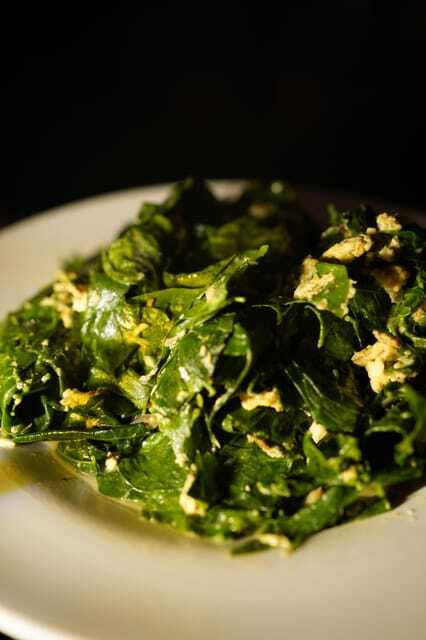
At $50 per person, the class is not the cheapest way to eat in Sabah. A local lunch alone can cost far less. The value comes from the combination of instruction, ingredients, cultural explanation, transportation from downtown, and the meal you prepare.
You are also paying for access to a local host and a type of home setting that is difficult to arrange independently. The recipes give the experience a life beyond the morning itself. If you cook even one or two dishes again at home, the class becomes more useful than a meal you simply consume and forget.
The price does not include utensils or crockery. That wording likely refers to equipment or tableware for taking food away, so ask if you need clarification before booking. The central class experience is still based on supplied ingredients and guided cooking, not on bringing your own kitchen equipment.
The operator is currently offering a limited-time discount, but the standard stated price is $50 per person. Flexible booking is available with reserve now and pay later, and cancellation up to 24 hours before the activity is allowed for a full refund. Those policies reduce the risk of committing while your Kota Kinabalu plans are still changing.
Who will get the most from this class
I would recommend this for anyone who wants a personal connection to Sabah food, not just another restaurant meal. It suits curious eaters, couples, families, solo visitors, and people who enjoy learning through conversation.
It is especially good for:
- Visitors who want to learn several dishes in one morning
- Home cooks looking for recipes they can repeat
- People interested in ingredients rarely found in ordinary tourist restaurants
- Families or small groups who prefer a relaxed home setting
- Anyone who wants a lighter activity during a busy Sabah trip
- Visitors with dietary needs who arrange them in advance
It may be less suitable if you want a market tour, a restaurant-quality training kitchen, or a fixed menu published in advance. You should also be comfortable with plans changing slightly depending on the host, location, and ingredients available that day.
The session is a good choice for a recovery morning in the middle of a demanding trip. You sit, cook, talk, and eat, rather than spending three hours rushing between sights. It offers a welcome change of pace without feeling empty or passive.
Recipes that travel home with you
You receive copies of the recipes to keep. That is a small inclusion with real value. Local food classes often become vague memories once the holiday ends, but a written recipe gives you a chance to recreate the flavors.
You may need to adapt some ingredients depending on where you live. Bunga kantan and jungle garlic are not equally easy to find everywhere, and the chef’s explanations about taste and substitutions may matter as much as the written measurements. Take notes if you want to remember the cooking method clearly.
The class can also change how you shop for Malaysian food at home. Instead of looking only for familiar curry pastes or sauces, you may start noticing torch ginger, lemongrass, local greens, and other ingredients that give Sabah dishes their particular character.
Should you book the Sabah cooking class?
Book it if you want a three-hour, home-based introduction to Sabah cuisine with local hosts, fresh ingredients, cultural stories, and a meal at the end. The strongest reasons are the personal teaching from Auntie Winnie, Auntie Cindy, or Chef Bonny, the chance to cook with garden produce, and the unusual flavors of ingredients such as bunga kantan and jungle garlic.
Before booking, confirm the class location, pickup details, and menu expectations. Tell the operator about dietary restrictions early, and arrive hungry. If you want a polished culinary school or a market-to-kitchen experience, this may not be your ideal format. If you want to share a local kitchen and leave with recipes, a full meal, and a better sense of Sabah food culture, $50 is a fair price.
FAQ
How long does the Sabah cooking class last?
The class lasts three hours. The regular session runs from 10 a.m. to 1 p.m.
Where does the cooking class take place?
The workshop is mainly conducted indoors, but sessions may take place at a local host’s home, terrace, garden, or front porch. Special arrangements may be possible for outdoor or campsite sessions.
Who teaches the cooking class?
Local instructors may include Auntie Cindy, Auntie Winnie, and Chef Bonny. Other local hosts and assistants may also take part, depending on the session.
Is hotel pickup included?
Free pickup is included from hotels in downtown Kota Kinabalu only.
What languages are available?
Instruction is available in English, Malay, Chinese, and Traditional Chinese.
Can dietary requirements be accommodated?
Vegetarian, no-pork, gluten-free, and other diets can be accommodated if you notify the operator beforehand.
Do I receive the recipes after the class?
Yes. Participants receive copies of the recipes to keep.
Can I take the cooked food with me?
You can consume your cooking at the location or arrange to take the results home.
More 3-Hour Experiences in Kota Kinabalu
- Langkawi: Mangrove River Cruise Sharing 3 Hours
★ 4.6 · 474 reviews
Just added around Kota Kinabalu
- Sabah: Manukan and Sapi Islands Excursion Ticket★ 3.6 · 19 reviews
- Kota Kinabalu City Tour: Culture & Heritage tour with Lunch★ 5.0 · 20 reviews
- (3 Days) PADI Open Water Diver Course Kota Kinabalu★ 5.0 · 23 reviews
- Klias Wildlife Safari River Cruise – Proboscis Monkey & Fireflies★ 4.5 · 23 reviews
- Sabah: Mangrove Fireflies, and Sky Mirror Dream Beach Tour★ 4.7 · 24 reviews
- Join us for a RAID Try Dive in Kota Kinabalu★ 5.0 · 27 reviews
- Kota Kinabalu ATV Riding and Dairy Farm at Mountain Kinabalu★ 4.0 · 29 reviews
- Private Tour Kampung Gipsi Sabah Cultural Village Kota Kinabalu★ 5.0 · 32 reviews
Kota Kinabalu Tours, compared.


Bongawan River Cruise: Proboscis Monkey & Fireflies Mangrove
Read our review →
Guided Snorkeling Day Trip, Kota Kinabalu, Sabah, Malaysia
Read our review →
Bongawan Wetland: Proboscis Monkey and Fireflies Shared Tour
Read our review →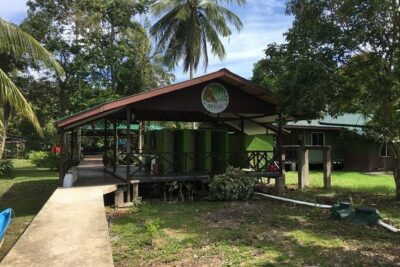

Sky-Mirror Photographing and Proboscis Monkey & Fireflies Watching River-Cruise
Read our review →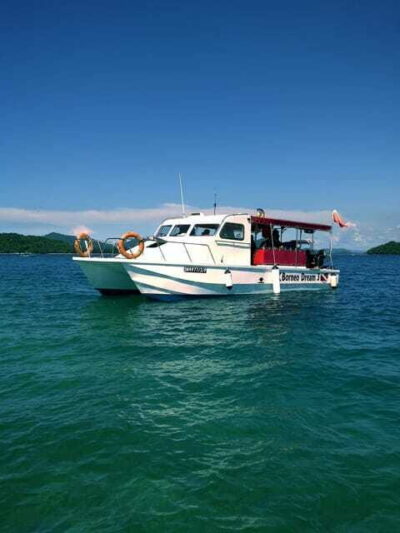
Full-Day Guided Snorkeling Tour from Kota Kinabalu
Read our review →Browse the lists this tour appears in