
Reviewed · PENANG TOURS
Straits and Oriental Museum Ticket
George Town’s Straits and Oriental Museum turns a small King Street building into a window on Penang’s trading past. Its best-known display holds ceramics rescued from shipwrecks, while the upper floor adds Baba-Nyonya objects and Chinese cultural history. The collection is compact, but it rewards slow looking.
I like the low price and the chance to hear the objects explained by staff such as Kelvin, Gerald, and Fazeela. I also like the flexible morning or evening start times, which make this an easy one-hour stop between George Town sights. The main thing to check is the guide arrangement: the booking information lists an on-site MYR25 fee, while some museum accounts describe a guided visit as free.
Key points at a glance
- Shipwreck ceramics: See porcelain and other ceramics rescued from sunken vessels, with stories that connect objects to trade and Chinese history.
- Two distinct floors: The first floor focuses on porcelain, while the upper level presents Baba-Nyonya and non-ceramic displays.
- Strong staff-led storytelling: Kelvin, Gerald, and Fazeela are associated with informative tours that add useful context to the objects.
- A practical one-hour stop: The museum suits a short George Town visit, though detailed explanations may tempt you to stay longer.
- Low admission cost: At about $5.21 per person, the ticket is inexpensive for a focused cultural stop.
- Guide fee to confirm: A guide is subject to availability and is listed at MYR25 per person when booked directly on site.
Why the ceramics are the main event
The museum’s central appeal is not simply that it displays old pottery. These ceramics were rescued from shipwrecks, giving them a direct link to the sea trade that shaped Penang and the wider Straits region.
That setting changes how you look at a bowl or plate. You are not only considering its color, shape, or decoration. You are also thinking about cargo, sea routes, trade, loss, and recovery. The objects carry a physical connection to ships that never reached their destinations.
I find this sort of collection especially useful when you have already spent time walking George Town’s streets. The city’s old buildings show the trading world from the outside. Here, you get a closer look at the goods that moved through it.
Do not expect a huge national museum with room after room of displays. This is a small institution at Premises No. 7 and 9 King Street. Its size is part of the appeal, since you can see the main collection without giving up half a day, but it also means the visit depends on how much attention you give each item.
More museums in George Town:
- Asia Camera Museum Admission Ticket
★ 5.0 · 18 reviews - George Town Highlights & Upside Down Museum tours (4 Hours)
★ 4.5 · 7 reviews - Malaysia: Explore the World of Food at Wonderfood Museum Penang
★ 4.5 · 3 reviews
Entering the King Street museum
The museum sits among George Town’s historic buildings in the UNESCO-listed area. That makes it easy to pair with a walking route through the old city, and the location near public transportation is useful if you are not staying within the central heritage district.
The ticket is mobile, so you can keep the confirmation on your phone rather than arrange printed paperwork. Confirmation is received at booking, and advance purchase guarantees entry on the selected day. That matters most if you have a tight schedule or are visiting when several George Town attractions are competing for your time.
The museum offers morning and evening start choices. The exact visit lasts about an hour, but I would not treat that as a strict exit time. The collection contains enough detail to stretch the stop, especially if a staff member is explaining the objects.
The final admission time is 6:00 PM. Check that carefully if you plan to visit late in the day. An evening option is useful, but you still need to arrive before the last entry.
First floor: shipwreck porcelain and trade stories
The first floor is the strongest reason to come. This is where the porcelain display presents ceramics recovered from shipwrecks, and it is also where the staff-led explanation can make the biggest difference.
Without context, a display of ceramics can become a blur of plates, bowls, jars, and decorative pieces. With a guide, you can better understand what you are seeing and why the objects matter. The staff have been praised for explaining Chinese history, the origins of the ceramics, and the stories attached to individual pieces in clear English.
Kelvin is identified as the museum’s curator and has led especially detailed visits. Gerald has welcomed visitors and provided explanations, while Fazeela has been associated with tours that bring out the background of the ceramics and Chinese culture. Guide availability is not guaranteed, so you should ask on arrival rather than assume a private or staff-led explanation is included.
The booking details list the guide as an optional extra, booked directly at the museum for MYR25 per person. At the same time, information from visits to the museum describes a free guided tour of the first-floor porcelain exhibit. Because those details do not match, confirm the current arrangement at the desk. Either way, the practical advice is simple: ask for the tour as soon as you arrive.
If you are interested in objects, trade, or Penang’s connections with China, the explanation is likely worth your time. If you prefer to read at your own pace, the first floor can still work, but you may miss the links between the pieces.
Upstairs: Baba-Nyonya culture beyond ceramics
The upper floor shifts the focus. Here you find Baba-Nyonya and other non-ceramic displays, giving the museum a wider cultural frame than a shipwreck collection alone.
That change of subject is useful. The ceramics show commerce and artistic production, while the upstairs objects help you consider the communities and traditions that developed around the Straits. It makes the visit feel less like a single-material display and more like a compact look at Penang’s cultural past.
The amount of information can be greater than the building’s modest size suggests. You may finish the main route in an hour, but do not rush through the upper floor if Baba-Nyonya history interests you. The museum is small enough that you can pause without feeling lost, and the exhibits invite close attention rather than a quick photo stop.
The drawback is that the available information does not provide a full list of objects or detailed room-by-room descriptions. I cannot promise that every display will match your particular interests. The safest choice is to allow at least an hour, then add time if you want to read everything or speak with staff.
A few more George Town trips worth a look
- Half-Day Penang Countryside Cycling Tour
★ 4.5 · 454 reviews - Penang: Flexible 6-Hours Highlights
★ 5.0 · 378 reviews - Penang: Flexible Full-Day Adventures
★ 5.0 · 105 reviews - Penang: Flexible Half-Day Escapes
★ 5.0 · 65 reviews
What the guided visit adds
This is a museum where a good explanation can change the experience. Staff members have been praised for patient, entertaining, and detailed presentations, with particular attention to the origins of the ceramics and the Chinese history behind them.
I like that the guide is not presented as the only way to visit. You can enter, look around, and decide if you want extra help. That flexibility suits different kinds of visitors. Someone with only a short break can see the main displays quickly, while someone who enjoys historical detail can request a longer explanation.
The names connected with the museum are useful because they give you a practical way to ask. You can inquire about Kelvin, Gerald, or Fazeela, but do not assume a particular person will be working during your visit. The guide is subject to availability, and the booking information says it must be arranged at the museum.
The price question needs a little care. The admission ticket costs about $5.21 per person, and soda or another soft drink is included. An additional MYR25 per person is listed for a guide booked on site. Some accounts describe the first-floor guided tour as free, so ask what is included that day before paying. This is a minor point, but it prevents confusion at the desk.
Is one hour enough?
For a basic visit, yes. The museum is designed for a short stop, and its location makes it easy to fit into a day of George Town sightseeing.
For a more thoughtful visit, give yourself more than the bare minimum. The first floor rewards time with the ceramics, and the upstairs Baba-Nyonya displays add another layer. A staff explanation can also extend the visit, especially if you ask questions.
I would plan around 60 minutes as the minimum sensible allowance. If you are working through a packed itinerary, that is still manageable. If you enjoy museums and want to hear the stories behind the objects, avoid placing it five minutes before your next booking.
The morning and evening choices are practical rather than dramatic. You can visit before a long walk, use it as a cooling cultural break, or stop later in the day before the 6:00 PM final admission. The exact start time should fit your own plan, since the museum itself is the main activity.
Price, value, and what you receive
At roughly $5.21, admission is easy to justify if you are interested in Penang’s Chinese connections, shipwreck cargo, or Baba-Nyonya culture. You receive entry to both exhibition areas, a mobile ticket, and a soft drink.
The value is strongest for someone who wants a focused museum rather than a large institution. You will not spend hours wandering through dozens of galleries, but you can get a clear subject, a compact route, and the chance to ask questions directly.
The optional guide changes the calculation slightly. MYR25 per person is a reasonable extra if you want the ceramics explained and the staff member is available. Still, because the information about a free guided tour conflicts with the stated fee, confirm the current cost before accepting the service.
I would not book this only for the drink. It is a small extra, not the reason to visit. The real value is the access to objects with a direct shipwreck connection and the human explanation that can link them to Penang’s past.
Who will enjoy this museum most?
I recommend it most to visitors who want a cultural stop with a clear focus. It suits you if you enjoy ceramics, maritime trade, Chinese history, or the Baba-Nyonya tradition.
It also works well for a short George Town visit. You can fit it between other sights without committing to a full morning or afternoon. The central location and nearby public transportation make the stop practical even if you are not planning your whole day around it.
Families and mixed-interest groups may find the short length helpful. Someone who is not a museum fan can complete the main visit without fatigue, while an interested companion can spend longer with the objects or request an explanation.
I would be more cautious if you expect a large collection, extensive modern facilities, or a major art museum. The space is compact, and its strength is focus rather than scale. You need to enjoy looking closely and listening to historical explanation.
A few practical ways to plan the visit
Book ahead if entry on a particular day matters. The mobile confirmation gives you a simple way to keep the ticket ready, and advance booking reduces the chance of a wasted trip if the attraction is busy.
Arrive with enough time before 6:00 PM. Since that is the last admission, an evening start needs careful planning. If you want the guide, ask immediately at the entrance and confirm both availability and the MYR25 charge.
Keep at least an hour free. The listed duration is approximate, and the amount of detail can make a quick visit feel rushed. If you have a little extra time, use it for the upstairs displays rather than leaving after the porcelain collection.
This is also a good place to ask questions. The staff have been praised for being approachable and for explaining the material in excellent English. A short conversation may help you understand why a particular ceramic matters more than a label alone can show.
Cancellation and other useful details
You can cancel for a full refund if you do so at least 24 hours before the experience start time. Cancellations made within 24 hours are not refunded, and changes inside that period are not accepted. The cut-off follows local time.
The attraction is near public transportation, and the information supplied says most people can participate. No special physical requirements are stated, so you should contact the provider directly if you need details beyond that general guidance.
Admission is included in the ticket. A guide is not clearly included in every version of the information, so treat it as an optional service and verify the arrangement at the museum.
Should you book the Straits and Oriental Museum?
Book it if you want a brief, inexpensive museum with a strong focus on shipwreck ceramics and Penang’s Chinese and Baba-Nyonya connections. I especially recommend it when you value explanation, since staff members such as Kelvin, Gerald, and Fazeela can add meaning that labels alone may not provide.
Skip it if you only want a large-scale museum or if your George Town schedule is already packed with higher priorities. This is a compact stop, not an all-day attraction.
For most visitors interested in culture, the price makes the decision easy. Reserve the mobile ticket, set aside at least an hour, ask about the guided visit on arrival, and confirm whether the current guide charge is MYR25 or if a complimentary tour is available. That small check helps you get the most from a well-focused museum in the old city.
FAQ
Where is the Straits and Oriental Museum located?
The museum is at Premises No. 7 and 9 King Street in George Town, Penang, within the city’s UNESCO-listed historic area.
How long does the museum visit take?
The visit lasts approximately one hour. You may need longer if you want to examine the displays closely or take a guided visit.
What is displayed at the museum?
The museum displays ceramics rescued from shipwrecks, along with Baba-Nyonya and other non-ceramic objects on the upper floor.
How much does admission cost?
The listed price is about $5.21 per person.
Is a guided tour included?
The information states that a guide must be booked directly on site for MYR25 per person, subject to availability. Other information describes a free guided tour of the first-floor porcelain exhibit, so confirm the current arrangement when you arrive.
Who may lead the guided visit?
Kelvin, Gerald, and Fazeela are associated with guided visits at the museum. A particular guide is not guaranteed on any specific day.
Is a drink included?
Yes. Soda or another soft drink is listed as included.
What is the latest admission time?
The last admission is at 6:00 PM.
Can I cancel for a refund?
Yes, if you cancel at least 24 hours before the experience start time. Cancellations made less than 24 hours before the start time are not refunded.
Just added around George Town
- Georgetown Highlights Half Day Penang City Tour(5 hours)★ 5.0 · 3 reviews
- Malaysia: Explore the World of Food at Wonderfood Museum Penang★ 4.5 · 3 reviews
- Penang Half Day City Tour Including Tropical Spice Garden★ 4.5 · 3 reviews
- Penang Hill and the Kek Lok Si Temple★ 5.0 · 4 reviews
- Specialist Penang Tour With Boy 8 hour★ 5.0 · 5 reviews
- Penang City & temple Tour with Penang Hill Train Fast Lane Ticket★ 4.5 · 6 reviews
- Penang Exciting Local Full Day Private Tour 8 Hours★ 4.5 · 6 reviews
- Penang Private Car Charter (5 Hrs)★ 4.5 · 7 reviews
Penang Tours, compared.




Good Morning Penang Food Tour with 15+ Tastings
Read our review →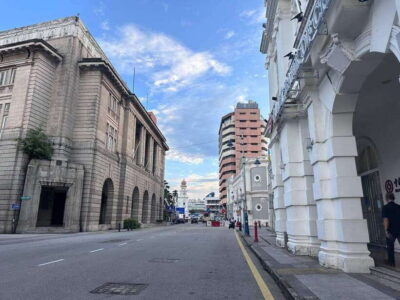
Browse the lists this tour appears in