
Reviewed · KOTA KINABALU TOURS
Half-Day Mari Mari Cultural Village from Kota Kinabalu
Mari Mari Cultural Village gives you a quick, organized way to meet Sabah’s traditional cultures without leaving Kota Kinabalu for several days. Inside the open-air museum, you move between longhouses and demonstrations tied to farming, hunting, cooking, boat life, and ritual practice.
I like the hands-on demonstrations, especially blowpipe making and fire starting, because they show how practical skills once shaped daily life. I also like the included hotel pickup and drop-off, which makes the rural setting easy to reach without arranging your own transport.
The main drawback is time. Four hours can introduce five cultures, but it cannot explain each one in great depth. If your schedule allows only a half-day, this is a strong overview. If you want long conversations and extended time in each village, it may feel brisk.
Key details before you book
- Five Sabah cultures in one visit: Learn about the Dusun, Rungus, Lundayeh, Bajau, and Murut communities.
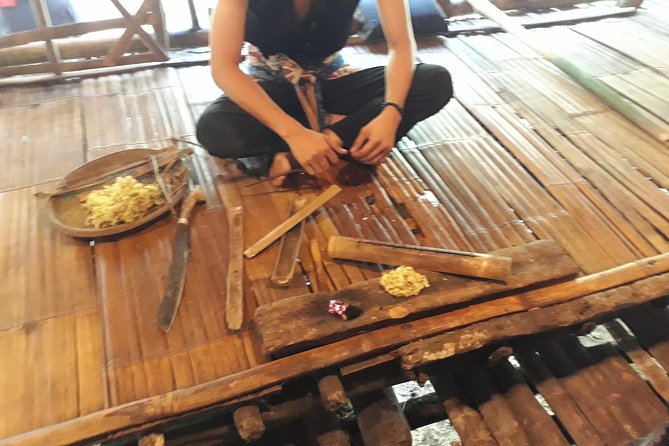
- Working demonstrations: Watch blowpipe making, fire starting, tattooing, and bamboo cooking techniques.
- Food is part of the experience: The 9 am session includes buffet lunch, while the 1 pm session includes hi tea.
- Small group transport: The maximum group size is 15, with an air-conditioned minivan for groups of six or more and an Innova for five or fewer.
- Live cultural show included: A Borneo cultural dance performance follows the village visits.
- Useful for port calls: Cruise passengers have separate morning and afternoon start times, but should confirm the schedule carefully.
Reaching Mari Mari from Kota Kinabalu
Mari Mari Cultural Village sits in the countryside outside Kota Kinabalu. The included hotel pickup and return transfer are a major part of the tour’s value, since you do not need to find your own way to a site away from the city.
Transport depends on group size. Groups of six or more use an air-conditioned minivan, while groups of five or fewer travel in an Innova. The stated maximum is 15 people, so this should feel more manageable than a large coach outing, though the exact atmosphere depends on the day’s bookings.
The drive also marks a useful change in pace. Kota Kinabalu is a practical base for Sabah, but Mari Mari is designed to show a more rural side of the state. You are not simply entering a display hall in the city. The village setting helps connect the buildings, tools, food, and customs to everyday life.
Hotel pickup is included from Kota Kinabalu hotels. If you are staying elsewhere or arriving by cruise ship, check the meeting details before paying. Cruise passengers have special timing: the morning session starts at 10 am, and the afternoon session starts at 2 pm.
A few more Kota Kinabalu trips worth a look
- Kuala Lumpur: Batu Caves Half-Day Tour with Pick-Up Option
★ 4.5 · 4,288 reviews - Private Half-Day Batu Caves and Cutural Tour in Kuala Lumpur
★ 5.0 · 3,107 reviews - Kuala Lumpur: Half-Day City Tour
★ 4.4 · 769 reviews
First stop: an open-air museum with a purpose
Mari Mari Cultural Village was created to preserve and present the cultures of Borneo’s ethnic groups. The site uses traditional-style houses and activity areas to give you a visual and practical introduction rather than a lecture alone.
The first listed stop allows about 20 minutes for the main village area. That is enough to get your bearings and understand how the visit works, but not enough for a slow, private exploration of every structure.
Think of Mari Mari as a guided cultural presentation. You move from one community area to another, listen to explanations, watch demonstrations, sample food or drink where offered, and then continue with the group. This keeps the four-hour visit moving, but it also means you should stay close to your guide.
The cultural presentation is especially useful if you are new to Sabah. The five groups have different traditions, environments, and livelihoods, yet a single visit lets you compare them. The setting is educational, but the cooking smells, tools, houses, and performances keep it from feeling like a standard museum tour.
The Dusun and Sabah’s paddy traditions
The Dusun section introduces one of Sabah’s major traditional farming cultures. Dusun communities have traditionally cultivated paddy, with inland and hill communities growing dry paddy and people on coastal plains and in valleys growing wet paddy.
That distinction gives you a useful way to read Sabah’s culture through geography. Farming methods depend on the land and water available, so the same broad ethnic identity includes different agricultural practices.
The visit gives you roughly 20 minutes for this cultural stop. I would pay attention to the details of farming life and ask your guide to explain how dry and wet paddy differ if the schedule allows. The short time makes this a sample, not a full lesson in rice cultivation.
For many people, this may be one of the most valuable parts of the tour because food and farming provide a clear connection between tradition and daily life. The village does not present culture as something separate from work. It shows how food production helped shape homes, tools, and community routines.
Rungus longhouses above the ground
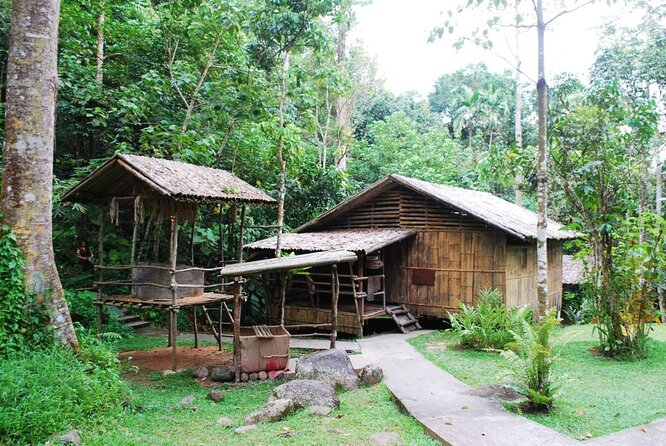
The Rungus section focuses on the longhouse. A traditional Rungus longhouse can contain seven to 15 family apartments, with construction using wood, bamboo, and atap, or palm leaves.
The elevated design is not just decorative. Raising the house helps protect it from flooding and wildlife, including snakes. It also shows how architecture responds to local conditions. You can learn a great deal from a house before anyone explains the symbolism.
The Rungus stop is also scheduled for about 20 minutes. That gives you time to inspect the structure and hear how several family units function within one long building. If you enjoy architecture, this may be one of the strongest sections of the visit.
The limitation is that the longhouse is presented as part of a moving route through five cultures. You will not have unlimited time to study construction details or compare the building with longhouses elsewhere in Borneo. Still, the combination of structure, materials, and family layout makes the stop easy to remember.
Same country, a completely different kind of day:
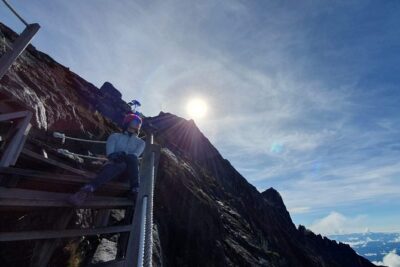
- 2D1N Mount Kinabalu Climbing
★ 5.0 · 494 reviews - Bongawan River Cruise: Proboscis Monkey & Fireflies Mangrove
★ 4.8 · 437 reviews - Guided Snorkeling Day Trip, Kota Kinabalu, Sabah, Malaysia
★ 5.0 · 282 reviews - Kota Kinabalu: Mari Mari Cultural Village Tour with Lunch
★ 5.0 · 152 reviews
Lundayeh food preservation and rural life
The Lundayeh, also known as Lun Bawang, are presented as agriculturalists who traditionally raised poultry, pigs, and buffaloes. Hunting and fishing also played a role in their lives.
One especially interesting detail is food preservation. Meat and fish were brined or pickled with salt and stored for later use. This is the sort of practical information that gives a cultural visit substance. It shows how people handled food before modern refrigeration and how farming, fishing, and storage worked together.
Again, allow about 20 minutes. You may find that the demonstrations and displays are more memorable when you connect them to the food served later. The smell of bamboo cooking is specifically part of the experience, and this section helps place those food traditions in a wider setting.
The tour includes food samples and drinks along the route, according to the experience details. The exact items can vary, so do not book this expecting a fixed tasting menu. You should also mention dietary needs when booking, since personal expenses are not included and the supplied details do not promise special meals.
Bajau traditions shaped by the sea
The Bajau are often associated with seafaring and are sometimes called the Sea Gypsies. The cultural presentation explains that there are distinct East Coast and West Coast Bajau groups, with West Coast communities becoming more settled and adapting to agriculture.
This is a helpful reminder that one name can cover different ways of life. Sabah’s cultures are not frozen in one simple picture. The Bajau story connects movement by sea with later settlement and farming.
The stop lasts about 20 minutes. It will work best for you if you listen for the contrast between coastal life and the inland farming traditions introduced earlier. The tour’s strength is this comparison. Each section adds another piece to the wider picture of Sabah.
The possible weakness is the same one found throughout the visit: the schedule moves fast. If you are especially interested in maritime history, you may want a longer specialist program elsewhere. For a first introduction from Kota Kinabalu, though, the Bajau section adds important variety.
Murut skills, farming, and old warrior traditions
The Murut section covers a culture traditionally associated with shifting cultivation, hill paddy, tapioca, blowpipe hunting, fishing, and headhunting. The Murut were the last Sabah ethnic group to give up headhunting.
That subject needs careful explanation, and a good guide can place it in historical context rather than treating it as a simple spectacle. The tour also shows the practical side of Murut life through blowpipe use, hunting traditions, and farming.
The blowpipe demonstration is one of the most distinctive activities on the route. Watching the item being made and learning how it was used gives you a clearer sense of skill and materials than a glass case would. Fire starting and tattooing demonstrations add more examples of traditional techniques and symbolism.
You should expect observation rather than a personal lesson in every activity. The details describe demonstrations, not an open workshop where everyone makes a blowpipe or receives a tattoo. That distinction matters if you are looking for a craft class.
Bamboo cooking, samples, and the included meal
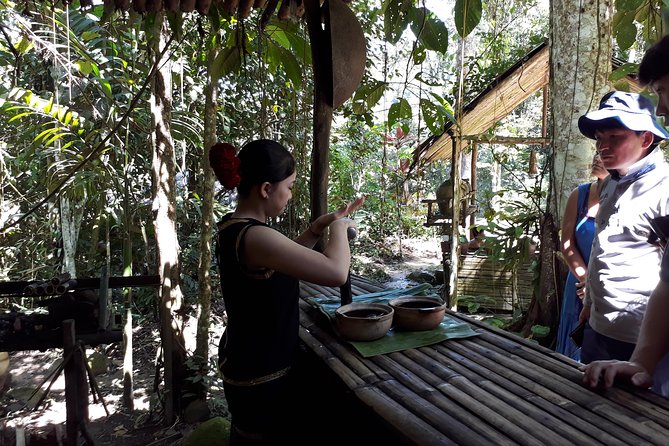
Food helps break up the cultural explanations. You can smell bamboo cooking before the meal, and food and drink samples may be offered along the way. These small moments make the visit more sensory and help connect the displays to living traditions.
The meal depends on your session. The 9 am session includes a buffet lunch. The 1 pm session includes hi tea. Since the two packages are not identical, check the start time and meal arrangement before booking.
The buffet adds real value to the $90 price, especially when combined with transport, admission, a guide, and the performance. It also makes the morning version feel like a complete half-day outing rather than a short museum visit.
Do not assume the food will suit every diet or that every dish will be explained in detail. The supplied information does not list a menu. If food is important to your decision, ask the operator what is served and whether dietary requests can be handled.
The Borneo cultural dance performance
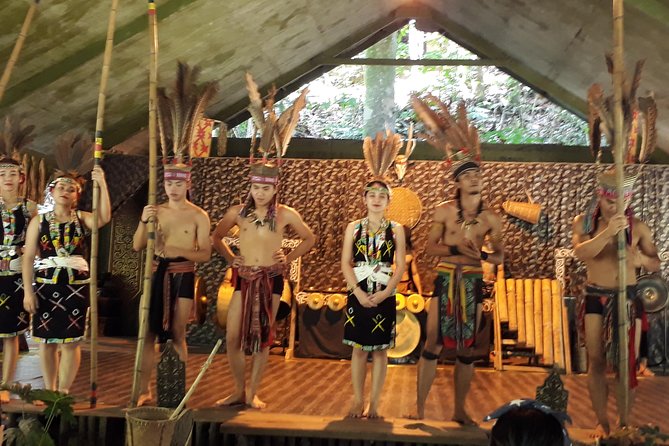
A live Borneo cultural dance performance is included. This gives the visit a clear closing event and lets you see movement, music, and costume brought together after the quieter house and craft demonstrations.
The performance is likely to appeal to families and first-time visitors because it offers a concise visual introduction to several traditions. It also gives the tour a sense of occasion without requiring you to arrange a separate evening show.
Keep your expectations in line with the format. This is one performance within a four-hour cultural program, not a full theatre production or a specialist dance workshop. I see it as a useful final chapter to the visit, especially after learning about the five groups.
Is $90 a fair price?
At $90 per person, the cost is not the cheapest way to fill a morning or afternoon in Kota Kinabalu. The value depends on how many separate arrangements you would otherwise make.
Your price includes admission, a driver-guide, hotel pickup and drop-off, transport, the meal or hi tea tied to your session, and the live dance performance. For a visitor who wants a simple booking with no transport planning, that package is reasonable.
The tour also keeps the group to a maximum of 15 people. That is a useful middle ground. You get more structure than you might with a private guide, but less crowding than a large bus excursion.
I would book it for convenience and range, not for deep study. Five cultures, several demonstrations, food, and a performance in four hours means you receive many short introductions. The price makes more sense if this is your only cultural outing in Sabah or if your Kota Kinabalu stay is brief.
Who will enjoy this half-day visit?
This tour suits you if you want a clear introduction to Sabah’s ethnic cultures and prefer an organized route. Families, first-time visitors, cruise passengers with limited port time, and people without a rental car should find the format useful.
It is also a good choice if you care about practical details. Hotel transfers remove a transport headache, the group size is capped, and the meal or hi tea is already arranged.
You may want a different experience if you dislike scheduled group visits or want long, unhurried conversations with local cultural specialists. The four-hour format gives breadth, but not much spare time.
Past bookings specifically praised the friendly driver service and the organization of the visit. One booking involved a short port call, and the driver, Joe, explained the time problem to the village staff, who adjusted the visit. That suggests the operator may try to help with tight schedules, but cruise passengers should still confirm timing in advance rather than count on an exception.
Guide Sam is also named in the supplied feedback. Guide assignments can change, so treat Sam as a useful name to know, not a guaranteed guide for your date.
Practical booking advice for your day
The tour is confirmed at booking, and mobile tickets are offered. Free cancellation is available if you cancel at least 24 hours before the start time. Cancellations or changes made inside that window are not accepted for a refund.
Most people can participate, and the activity has a maximum of 15 participants. The information does not provide detailed accessibility specifications, so contact Magunatip Holidays Sdn Bhd if you need step-free access or other support.
Choose the morning or afternoon session based on the meal included, not only on convenience. The morning option includes buffet lunch, while the afternoon option includes hi tea. Cruise passengers should use the separate 10 am and 2 pm start times listed for port visits.
Bring a phone or camera if photography is permitted by the staff, and keep personal spending in mind because personal expenses are not included. The supplied details do not promise any particular shopping stop or extra activity.
Should you book Mari Mari Cultural Village?
Book this tour if you want a convenient cultural overview with transport, food, demonstrations, and a dance performance in one half-day. Its strongest features are the range of five cultures, the practical displays, and the easy pickup from Kota Kinabalu hotels.
Skip it if you want a slow, specialist study of one community or a fully private experience. Mari Mari moves at a steady pace, and the short stops mean you will collect many useful impressions rather than master every subject.
For most short stays in Kota Kinabalu, I think the combination is sensible. You get beyond the city, see how houses and tools reflect local life, taste food connected to the setting, and return in time for the rest of your day.
FAQ
How long does the Mari Mari Cultural Village tour last?
The tour lasts approximately four hours, including transport, the village visit, cultural demonstrations, food or hi tea, and the Borneo cultural dance performance.
Where does the tour depart from?
Hotel pickup and drop-off are included from Kota Kinabalu hotels. Cruise passengers should check the separate port pickup arrangements and start times.
What time does the morning session start?
Cruise passengers should note that the morning session starts at 10 am. The standard included meal information also refers to a 9 am session, so confirm your exact pickup and start time when booking.
What time does the afternoon session start?
The afternoon session for cruise passengers starts at 2 pm. The 1 pm session includes hi tea according to the tour details, so confirm which schedule applies to your booking.
Which cultures are introduced?
The tour introduces the Dusun, Rungus, Lundayeh, Bajau, and Murut cultures of Sabah.
What demonstrations are included?
You can see blowpipe making, fire starting, and tattooing demonstrations. Bamboo cooking is also part of the food presentation.
Is food included?
The 9 am session includes a buffet lunch. The 1 pm session includes hi tea. Food and drink samples may also be offered along the route.
How many people can join the tour?
The maximum group size is 15 participants. Transport is by air-conditioned minivan for groups of six or more, and by Innova for groups of five or fewer.
Can I cancel for a full refund?
Yes. You can cancel at least 24 hours before the experience start time for a full refund. Cancellations or changes made less than 24 hours before the start time are not accepted for a refund.
Just added around Kota Kinabalu
- Tambunan: Rafflesia Flower Trekking with Rustic Lunch★ 4.4 · 5 reviews
- Kota Kinabalu: Twin Island Day Trip Tour ( Sapi & Manukan )★ 3.5 · 5 reviews
- Full-Day Sepilok Orangutan and Sandakan City Trail from Kota Kinabalu★ 4.0 · 6 reviews
- Mari Mari Cultural Village Tour from Kota Kinabalu★ 5.0 · 6 reviews
- Kota Kinabalu, Sabah: North Borneo Heritage Train★ 3.5 · 6 reviews
- Sabah : Kota Kinabalu City Tour★ 3.8 · 6 reviews
- Kundasang: Day Tour with Desa Dairy Farm and Alpaca Club★ 4.4 · 6 reviews
- Mount Kinabalu Climbing 3 Days 2 Nights★ 5.0 · 7 reviews
Kota Kinabalu Tours, compared.

Bongawan River Cruise: Proboscis Monkey & Fireflies Mangrove
Read our review →
Guided Snorkeling Day Trip, Kota Kinabalu, Sabah, Malaysia
Read our review →
Bongawan Wetland: Proboscis Monkey and Fireflies Shared Tour
Read our review →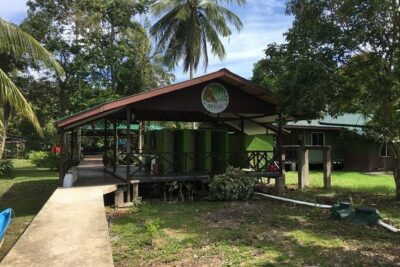

Sky-Mirror Photographing and Proboscis Monkey & Fireflies Watching River-Cruise
Read our review →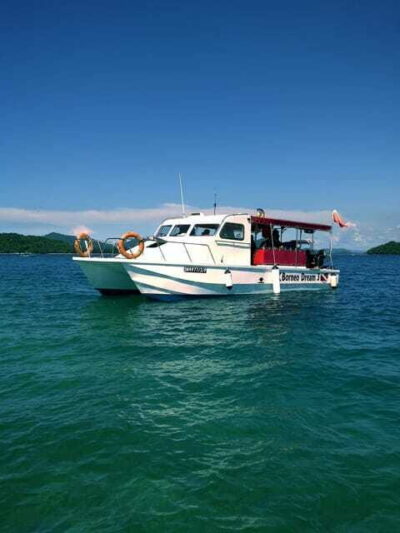
Full-Day Guided Snorkeling Tour from Kota Kinabalu
Read our review →Browse the lists this tour appears in