
Reviewed · KOTA KINABALU TOURS
Mari-Mari Cultural Village Tour Including Lunch
Mari-Mari Cultural Village gives you a fast, hands-on look at Sabah’s traditional life. You cross a suspension bridge into a recreated village, meet representatives of the Dusun, Rungus, Murut, Bajau, and Lundayeh peoples, and watch demonstrations tied to their homes, food, and customs. The cultural performance is the big finish.
I like the food tasting and the way each house stop turns history into something you can see and try. I also like having round-trip transport and lunch included, which makes this an easy half-day choice from Kota Kinabalu. Guides such as Zul, Mac, and Aril have been praised for their humor and clear explanations.
The main catch is transport. Pickups can be late, cars can feel cramped, and communication is not always smooth. Also, this is a shared tour with up to 15 people, not automatically a private experience, despite wording that may suggest otherwise.
Key points to know before you book
- Five Sabah ethnic groups in one visit: The village presents Dusun, Rungus, Murut, Bajau, and Lundayeh traditions.
- Food is part of the lesson: You can sample tribal snacks and drinks before eating a local lunch and taking high tea.
- The cultural show is a highlight: Music and traditional dance give the visit an entertaining finish.
- Expect a shared group: The maximum is 15 people, and house stops can overlap when several groups arrive together.
- Rain is not a deal breaker: Bring a poncho or plan for wet paths and covered demonstrations.
- Central Kota Kinabalu pickup is included: Round-trip transport saves effort, but the vehicle and driver service can vary.
Entering Mari-Mari through the suspension bridge
The day begins with a pickup around 9 a.m. from a centrally located Kota Kinabalu hotel. The drive takes you out toward Mari-Mari Cultural Village, where the visit begins with a briefing on village rules and a formal welcome from the Chief.
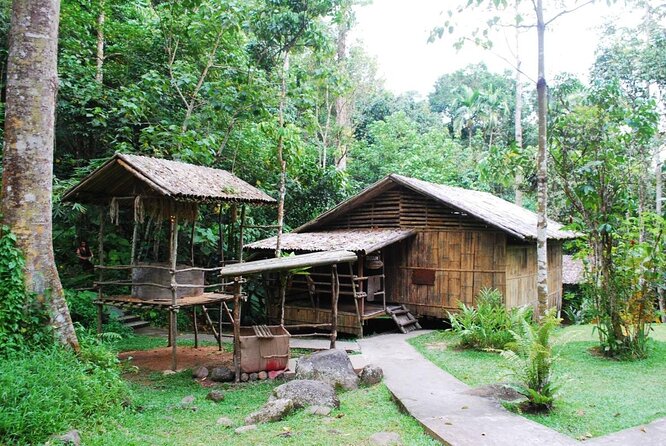
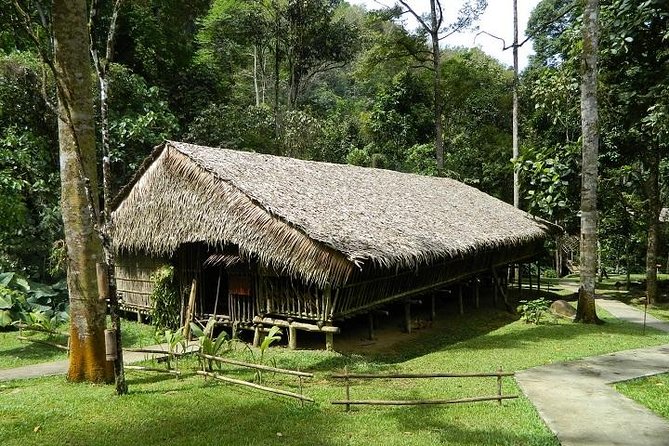
The setting is designed to feel like a step into an older Borneo. You cross a suspension bridge to enter, then follow a route through traditional houses linked to five ethnic communities. The presentation is not an academic museum visit. It uses buildings, demonstrations, food, dance, and short stories to show how people lived and worked.
That approach suits you if you learn best by seeing and doing. A house is easier to understand when you can watch a demonstration inside it, taste something connected with the community, or see how a traditional activity fits into daily life.
The village is a staged cultural attraction, so you should not expect untouched village life or a spontaneous visit to a remote community. Its value is that several traditions are brought together in a setting that is easy to reach from Kota Kinabalu. For a first introduction to Sabah’s indigenous cultures, that is useful.
A few more Kota Kinabalu trips worth a look
- Kota Kinabalu: Mari Mari Cultural Village Tour with Lunch
★ 5.0 · 152 reviews - Kota Kinabalu: Sapi & Manukan Island Snorkelling with Lunch
★ 4.8 · 90 reviews - Kota Kinabalu: Manukan & Sapi Islands Snorkeling with Lunch
★ 3.7 · 61 reviews
Five communities, five different viewpoints
The route brings together the Dusun, Rungus, Murut, Bajau, and Lundayeh peoples. Each group is presented through its own traditional home, stories, food, customs, and performance elements.
The Dusun, Rungus, Murut, Bajau, and Lundayeh communities are not simply treated as one general idea of Borneo culture. The point of the visit is to notice differences between them. Your guide helps connect the buildings and demonstrations to the way each group traditionally lived.
The Murut section carries the strongest connection to the old headhunting stories associated with Borneo. That subject can attract attention, but the visit also places it alongside ordinary matters such as housing, food, tools, and community life. You get a broader picture than a tour built only around dramatic legends.
The Bajau and other coastal or inland traditions are also shown as part of Sabah’s wider cultural mix. Details can depend on the guide and the pace of the group, so listen closely and ask questions when you have the chance.
Guides named Zul, Mac, and Aril have received particularly strong praise for making the material lively. A good guide matters here because the buildings alone cannot explain what you are seeing. The best moments come when the guide turns a house or object into a clear story about daily life.
House tours and demonstrations that make the visit practical
The house tour is the core of the experience. You move from one traditional structure to another, stopping for explanations and demonstrations. The exact order can shift with the group, but you should expect a steady sequence of short presentations rather than one long lecture.
This format keeps the morning moving. It also means you may have only limited time at each stop. When several tour groups arrive together, groups can overlap, and the area may feel crowded. You may need to stand to one side or wait briefly while another group finishes.
The demonstrations are valuable because they show how culture works in practice. Food, drink, building styles, household customs, and social traditions become easier to remember when you see them in action.
Food tasting is one of the most enjoyable parts. You can try different local foods and drinks associated with the communities represented at the village. This is not a full meal at every stop, but it adds flavor to the explanations and gives you something to talk about with your guide.
If you have children in your group, the demonstrations and tasting breaks can help hold their attention. The cultural show also gives the visit a clear payoff. Adults who want more detail should stay close to the guide and use the quieter moments to ask questions.
Lunch, high tea, and the timing of the morning
Lunch and high tea are included, along with a local meal. The food has been described as good, with plenty of choice, but dishes can disappear quickly when several groups eat at once. Take reasonable portions early if something looks appealing.
One point needs care: the information for this experience says lunch is served inside Mari-Mari, while one account describes a modern local lunch instead. The safest expectation is that lunch is included, but the exact setting or menu may vary. Other food and drinks are not included.
The meal is more than a break. It gives you another way to connect the earlier demonstrations with local tastes. You also get time to sit down after walking between the houses and performance areas.
The full outing is advertised at about five hours, while the village portion is listed at roughly three hours. In practice, pickup, waiting, the village program, lunch, and the return ride fill most of the morning and early afternoon.
If you have a strict onward schedule, allow extra time. The cultural program itself has a planned structure, but pickup delays or a slow return can affect your day.
Same country, a completely different kind of day:
- 2D1N Mount Kinabalu Climbing
★ 5.0 · 494 reviews - Bongawan River Cruise: Proboscis Monkey & Fireflies Mangrove
★ 4.8 · 437 reviews - Guided Snorkeling Day Trip, Kota Kinabalu, Sabah, Malaysia
★ 5.0 · 282 reviews - Bongawan Wetland: Proboscis Monkey and Fireflies Shared Tour
★ 4.2 · 137 reviews
The performance brings the village to life
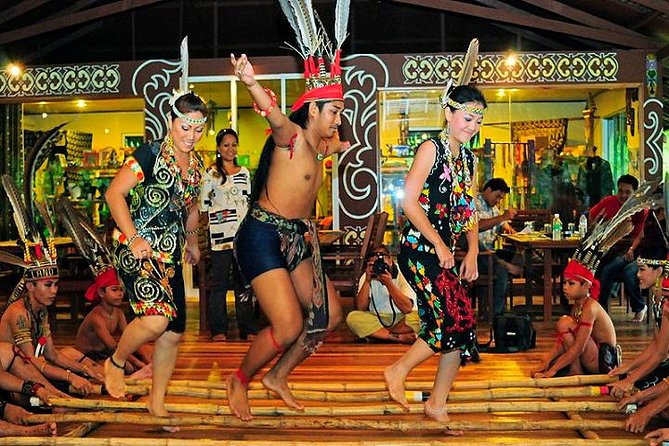
The cultural show is one of the strongest reasons to choose this visit. Traditional music and dance give you a lively ending after the house stops and food demonstrations.
The performance is presented for the visiting groups, so it is not a private village celebration. Still, it provides a clear look at movement, dress, rhythm, and group tradition in a way that photographs and building tours cannot.
The show is also a good moment for families. It is easy to follow even if you have little background in Sabah’s ethnic cultures. Guides may explain what you are seeing, and the energetic presentation helps tie together the separate stops.
Rain can make the performance and walking route less comfortable, but it does not necessarily spoil the day. The village continues in wet weather, and ponchos are available for a small additional cost. Wear footwear and clothing that can handle rain, and keep your phone protected.
What you get for $58
At $58 per person, the package offers more than admission alone. It includes hotel pickup and drop-off from central Kota Kinabalu, an English-speaking driver, entry to the village, the house tour and demonstrations, cultural activities, the performance, local lunch, and high tea.
That can be fair value if you want convenience. You do not need to arrange a separate taxi, buy a village ticket, and find your own lunch. The guide also gives you a framework for understanding what you see.
The value is less convincing if your main goal is simply reaching the village. Some drivers have been late, and a few vehicles have been described as cramped or smoky. One account also reported an unnecessary stop at a petrol station on the return trip. If you are comfortable arranging your own transport, compare the cost before booking.
The package becomes better value for a small group that wants an organized morning and for families who prefer a planned route. It is less attractive for a solo visitor forced to pay for two places, or for anyone expecting a polished private transfer.
The phrase shared tour for just you and your party needs careful reading. The stated maximum is 15 people, and one booking had a group of 12 others. Unless your reservation clearly confirms a private booking, assume you will share the ride and village program with other people.
Getting the transport part right
Pickup is scheduled for 9 a.m., and some drivers keep in touch through WhatsApp. That can be helpful, especially when you are waiting outside a large hotel.
Service is not fully consistent. Some drivers have been prompt, friendly, and excellent at keeping people updated. Others have arrived late, offered little communication, or seemed impatient. One vehicle was reported to smell of smoke, while another group found the back seat too tight for four people.
For that reason, I would not book this as a tight connection from a cruise ship or airport unless the operator confirms the timing directly and you have plenty of spare time. A delayed pickup can cut into the village visit or create stress on the way back.
The driver may not be your cultural guide. Once inside Mari-Mari, a village guide leads the program. The strongest experiences come when the transport staff and village guide both communicate well, but those roles can feel separate.
If you arrange pickup, confirm your hotel is in the centrally located Kota Kinabalu zone. The supplied information does not promise pickup outside that area.
Who will enjoy this half-day visit
I would recommend Mari-Mari to you if you want a clear introduction to Sabah’s cultures without spending several days traveling between distant communities. It works especially well for first-time visitors to Kota Kinabalu, families, and people who enjoy food, dance, and demonstrations.
It also suits anyone who wants a rainy-day backup. The program includes covered cultural stops, and wet weather can make the setting feel more like a jungle village, though you should still prepare for rain.
You may want another option if you dislike group schedules, need a private vehicle, or want a quiet, slow visit. The route is organized, and several groups may arrive at the same house at once.
It is also not ideal if you want an in-depth anthropological study. You receive a compact introduction to five communities, not a long research discussion about each one. The strength is variety and access.
Booking, cancellation, and practical preparation
Confirmation is received at the time of booking. Free cancellation is available up to 24 hours before the scheduled start time. Changes or cancellations within 24 hours are not accepted and are not refunded.
Bring rain protection, especially during Sabah’s wet weather. Ponchos can be bought at the village, but carrying your own saves time.
Plan to eat lunch as part of the program unless you have confirmed another arrangement. The package includes lunch, but other drinks and food are not included.
Most people can take part, and the maximum group size is 15. If you need a private experience, ask for that in writing before paying. Do not assume the shared tour becomes private simply because you book as a couple or small family.
Should you book Mari-Mari Cultural Village?
Book it if you want an entertaining, practical introduction to five Sabah communities, with house demonstrations, food tasting, lunch, a cultural show, and transport bundled into one morning. Guides such as Zul, Mac, and Aril can make the difference, and the village program itself is the strongest part of the package.
Book with caution if transport quality and punctuality matter more than convenience. Confirm whether your booking is shared, check the pickup area, and leave spare time after the tour. At $58, the package is reasonable when the ride runs well and you value the guide and meal. If you only need admission and can arrange a reliable taxi, compare that option first.
FAQ
How long does the Mari-Mari Cultural Village tour last?
The experience lasts about five hours overall. The village portion is listed at roughly three hours, with the remaining time covering pickup, lunch, and the return transfer.
What time does pickup begin?
The tour guide is scheduled to collect you at 9 a.m. Pickup and drop-off are offered for centrally located Kota Kinabalu hotels.
Which ethnic groups are represented at Mari-Mari Cultural Village?
The village presents traditions from the Dusun, Rungus, Murut, Bajau, and Lundayeh communities.
Is lunch included?
Yes. Local lunch and high tea are included. Other food and drinks are not included, and the exact lunch setting or menu can vary.
Is this a private tour?
No. The stated maximum is 15 people, and the experience is described as a shared tour. If you need private transport or a private visit, confirm that arrangement before booking.
What happens during the village visit?
You receive a village rules briefing, take part in a welcome ceremony, cross a suspension bridge, tour traditional houses, watch demonstrations, sample local food and drinks, eat lunch, and see a cultural performance.
Can I cancel for a full refund?
Yes, if you cancel at least 24 hours before the experience start time. Cancellations or changes made within 24 hours are not refunded or accepted.
Just added around Kota Kinabalu
- KK Rainforest City Tour★ 5.0 · 3 reviews
- Full-Day Sepilok Orangutan and Proboscis Monkey from Sandakan or Kota Kinabalu★ 4.5 · 3 reviews
- Sabah: White Water Rafting Grade 3-4 at Padas River★ 4.7 · 3 reviews
- Kota Kinabalu : Snorkeling at Ara Dinawan Private Island★ 3.6 · 3 reviews
- Kota Kinabalu | Snorkeling Sapi Island/Manukan Island★ 3.1 · 3 reviews
- Kota Kinabalu: Mari Mari Cultural Village Tour★ 5.0 · 3 reviews
- Kota Kinabalu: Maragang Hill Guided Hike with Pickup★ 4.3 · 3 reviews
- Kinabalu Park Day Trip★ 3.5 · 3 reviews
Kota Kinabalu Tours, compared.

Bongawan River Cruise: Proboscis Monkey & Fireflies Mangrove
Read our review →
Guided Snorkeling Day Trip, Kota Kinabalu, Sabah, Malaysia
Read our review →
Bongawan Wetland: Proboscis Monkey and Fireflies Shared Tour
Read our review →

Sky-Mirror Photographing and Proboscis Monkey & Fireflies Watching River-Cruise
Read our review →
Full-Day Guided Snorkeling Tour from Kota Kinabalu
Read our review →Browse the lists this tour appears in