
Reviewed · KUALA LUMPUR TOURS
Kuala Lumpur Walk, Eat & See Tour
Kuala Lumpur’s best introduction may be a plate of banana roti followed by a walk through a Malay village, an Indian neighborhood, a Chinese market, and the old colonial center. This tour connects those pieces on foot and by train, giving you food, street life, and city history in one outing.
I like the cross-city route, which links Brickfields, Kampung Baru, Merdeka Square, Central Market, and Petaling Street instead of keeping you in one tourist zone. I also like the food focus: nasi lemak, jackfruit, Chinese noodles, and banana roti can turn the city’s ethnic mix into something you can taste.
The main consideration is time. The experience is listed as lasting about one to five hours, a very broad range, and the route includes plenty of walking. Ask Charles about the expected length and food stops before you set out, especially if you need a short visit or have mobility concerns.
Key points to know before booking
- Brickfields begins the food story: Taste Malaysian bites and see older Indian religious sites near Nu Sentral.
- Chow Kit adds a local market stop: This early Kuala Lumpur district gives the tour a less polished side of the city.
- Kampung Baru shows old Malay village life: See a long-established settlement surrounded by modern Kuala Lumpur.
- The route covers several city identities: Malay, Indian, and Chinese communities all appear within one outing.
- Charles shapes the experience: He can explain food, culture, and city history, and has offered longer walks to suit the group.
- The finish is atmospheric: Petaling Street leads into old lanes, cafes, bars, murals, and Chinatown’s market stalls.
A city tour built around food and neighborhoods
Many Kuala Lumpur tours rely on grand buildings and lookout points. This one takes a different route. It uses small food tastings, markets, religious sites, village streets, and old lanes to show how the city developed.
That matters because Kuala Lumpur can feel scattered at first. Brickfields is south of the center, Kampung Baru sits near the modern core, and Chinatown lies farther west. Seeing these districts in one trip helps you understand the city as a collection of communities rather than a single postcard view.
The food is not just a bonus between sights. It is part of the lesson. Malaysian cooking reflects Malay, Indian, Chinese, and other influences, and the tour uses local bites to connect those traditions with the people and places you pass.
The small group size helps. A maximum of 12 people is intimate enough for questions without promising a private tour. Charles is the guide named in the tour information, and the available comments repeatedly point to his humor, friendly manner, English fluency, and ability to explain topics well beyond what is on the plate.
More Walking Tours in Kuala Lumpur
- Kuala Lumpur Local Street Food Private Walking Tour by Night
★ 4.5 · 224 reviews - Kuala Lumpur: Nightlife Walking Tour with Local Guide
★ 5.0 · 33 reviews - Kuala Lumpur: Private Walking Tour with a Local
★ 4.5 · 28 reviews
Starting in Brickfields near Nu Sentral
The meeting point is Nu Sentral, 201 Jalan Tun Sambanthan, beside Kuala Lumpur Sentral. That is a practical start because the area has strong public transport links and is easy to reach if you are staying elsewhere in the city.
From there, the tour moves into Little India Brickfields. This district is a useful first stop because it introduces Kuala Lumpur’s Indian community through food and religious places rather than through a museum display.
You can expect a few food samples and a short look at older religious sites. The listed stop is about 20 minutes, so this is an introduction, not a long architectural visit. If you want detailed time inside each religious building, this tour may move too quickly for that purpose.
Still, Brickfields sets the tone well. You begin with a working neighborhood, not a formal sightseeing square. I like that choice because food and daily life give you a faster sense of place than a long list of monuments.
The included train tickets also matter here. You are not expected to arrange every transfer alone, and the movement between districts becomes part of the city lesson. You will still want comfortable shoes, since the train only handles part of the journey.
Chow Kit and the early market life of Kuala Lumpur
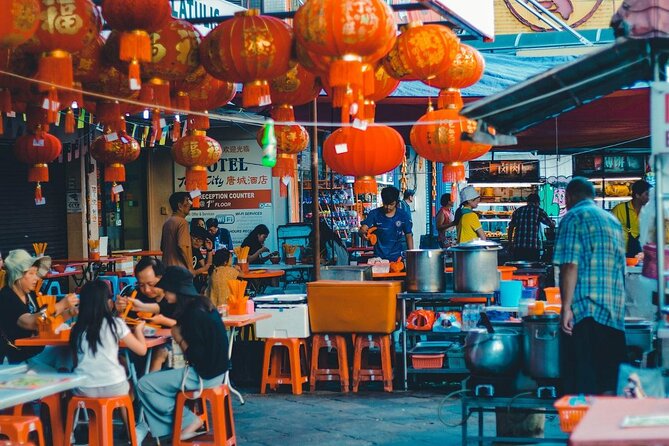
The route then reaches Chow Kit, described as an early development area of Kuala Lumpur that still functions as a market district. The exact stop length is not listed, so your time here may depend on the guide, market conditions, and the pace of the group.
This is likely to be one of the more useful portions for people who want to see ordinary commerce. Markets reveal what people buy, how food is sold, and how a district works from day to day. They also give Charles a natural setting for explaining local ingredients and customs.
Do not expect a tidy, staged attraction. A local market can be crowded, wet, noisy, or visually intense. That is part of its value, but it may not suit you if you want a quiet route with polished floors and fixed viewing points.
The market also helps balance the heritage stops. You are not only looking backward at old Kuala Lumpur. You are seeing an active district that continues to serve local residents.
Kampung Baru, a Malay settlement beside the modern city
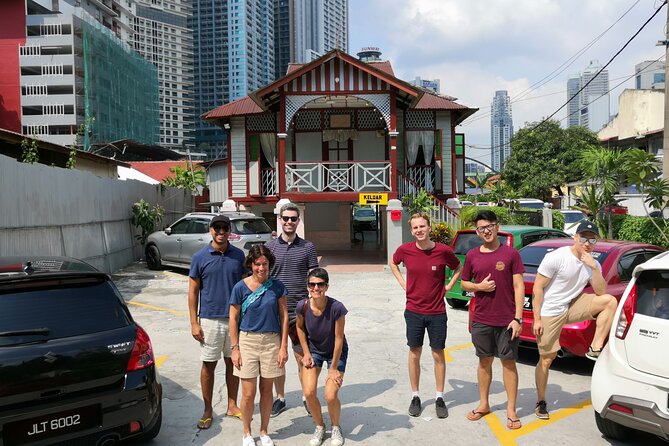
Kampung Baru is the tour’s strongest contrast. It is described as the first Malay settlement in Kuala Lumpur, with older village housing and a look at how local residents lived in earlier times.
The striking point is its position within the modern city. Kuala Lumpur’s newer buildings are close by, yet Kampung Baru preserves a village character. That contrast gives the stop meaning. You can see how the city grew around an older Malay community rather than replacing every trace of it.
The listed visit is about 30 minutes. That is enough for a walk and an explanation of the settlement, but not enough for a detailed neighborhood study. I would treat this as a guided introduction and listen closely to Charles, since the value comes from his context as much as from the buildings themselves.
Food may also be part of the Kampung Baru section. The tour promises Malaysian bites, and the food examples associated with the experience include nasi lemak, jackfruit, and banana roti. The exact menu can change, so you should not book expecting one fixed list of dishes.
For me, this is one of the tour’s best ideas. Kampung Baru gives the food stops a clear cultural setting and shows you a side of Kuala Lumpur that can be easy to miss when you stay around shopping malls and major towers.
A few more Kuala Lumpur trips worth a look
- Sambal Streets Kuala Lumpur Food Tour with 15+ Tastings
★ 5.0 · 2,438 reviews - Kuala Lumpur: Sambal Street Food Tour with 15+ Tastings
★ 4.9 · 1,657 reviews - The 10 Tastings of Kuala Lumpur With Locals: Private Street Food Tour
★ 5.0 · 249 reviews - Eat Like a Local: Kuala Lumpur Hawker Center and Street Food Tour by Night
★ 5.0 · 198 reviews
Merdeka Square, Masjid Jamek, and the River of Life
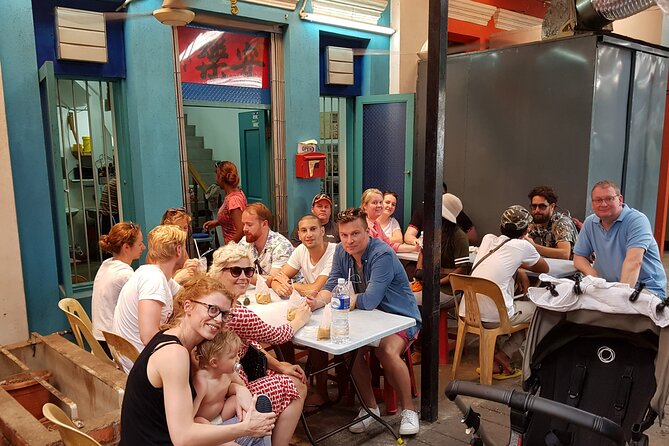
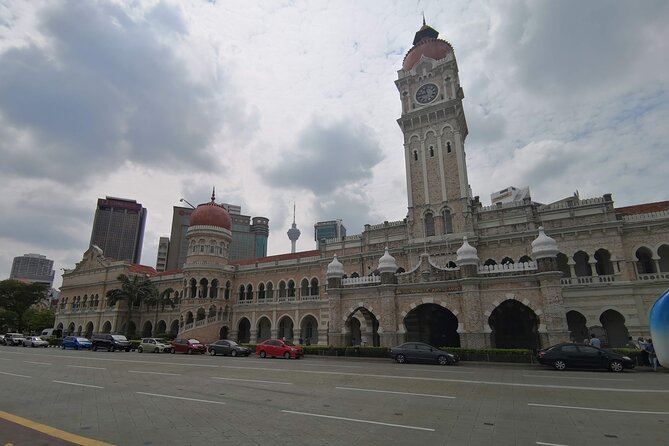
The route continues through old Kuala Lumpur’s heritage center, including Masjid Jamek, the River of Life project, Merdeka Square, and older buildings near the city’s historic core.
These places provide the broad city context that food walks sometimes lack. Masjid Jamek is one of the key landmarks in the old center, while Merdeka Square is tied to Malaysia’s national story. The River of Life project adds a more recent effort to improve and present the area around the waterways.
The tour description suggests a strolling route rather than an extended indoor visit. That means you will mainly see the buildings and public spaces from outside, with Charles explaining what you are looking at. If you want museum interiors or a long architectural lecture, you should plan separate visits.
The walk toward Central Market also connects several sights naturally. You are not being taken from one isolated photo stop to another. Instead, the route lets you see how the old civic center, rivers, markets, and commercial streets fit together.
Wear shoes with good grip and bring water. The experience includes walking across several districts, and Kuala Lumpur’s weather can affect comfort. The provider says poor weather can lead to a different date or a full refund, but you should still be prepared for a warm or wet outing if the tour runs.
Central Market and the small alley of artists
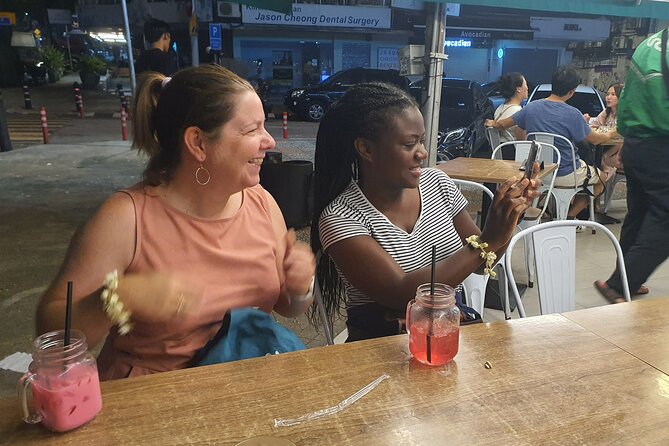
Central Market is a well-known tourist shopping area, but the tour does not stop at the main market alone. Charles also takes the group through a smaller alley associated with painters and Malaysian history.
That side route is a useful detail. Central Market can feel heavily geared toward souvenirs, yet the nearby lanes may offer a more local sense of creative work and older urban texture. The listed stop is only about five minutes, so keep your expectations modest. It is a short look, not a long browsing session.
I like the way this stop fits into the larger route. You see the formal tourist market, then step slightly aside to notice a quieter artistic corner. It gives you a chance to understand how Kuala Lumpur presents its past for visitors while still retaining less polished spaces nearby.
If you want to shop, ask Charles how much time the group will have. The published route is built around walking and food, not an extended shopping break.
Petaling Street and Chinatown’s changing lanes
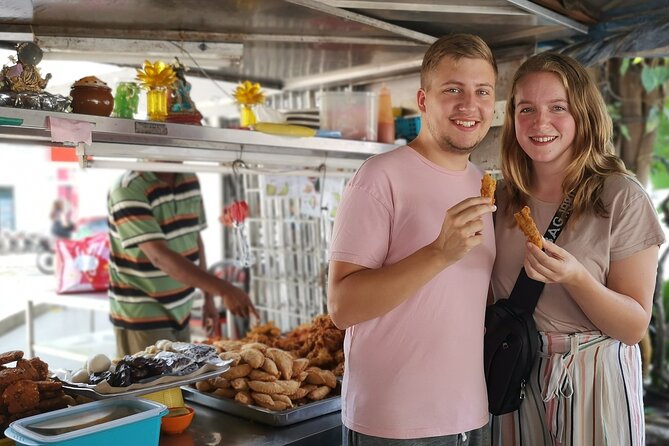
The tour ends at Petaling Street Market on Jalan Petaling. This is Kuala Lumpur’s Chinatown, known for its market stalls and busy pedestrian lanes.
The route also looks beyond the main market. You may walk through lanes once linked with the red-light district that have been changed into cafes, bars, and small back alleys with street art and murals. This adds a modern layer to the older commercial quarter.
The stop is listed at about 10 minutes, but the broader route description suggests that the final Chinatown section can include more than a quick pass through the market. The duration range is one reason to confirm the expected schedule with Charles before booking.
Petaling Street is a sensible ending point. You finish near food, shops, and central transport links, with the option to continue exploring on your own. The tour does not return you to Nu Sentral, so plan your onward route from Chinatown.
What you may eat along the way
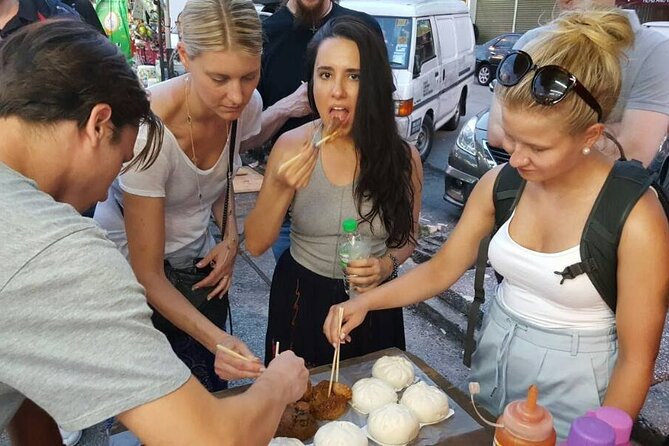
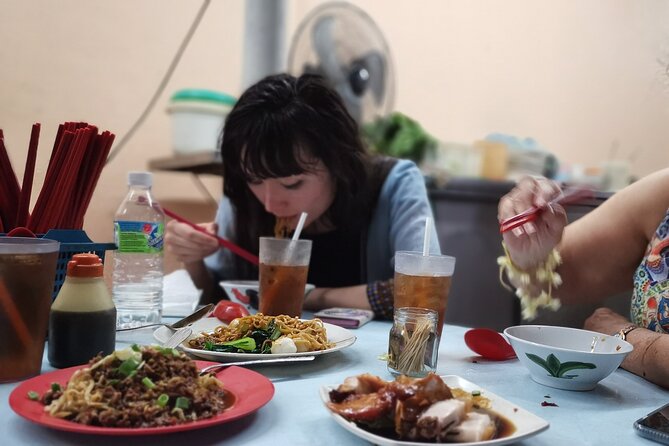
The included snacks are central to the experience, but the tour does not promise a set menu. Food associated with the outing includes nasi lemak, jackfruit, Chinese noodles, and banana roti.
That variety is important. Nasi lemak introduces a Malay favorite, banana roti points toward the Indian influence in Kuala Lumpur, and Chinese noodles bring another part of the city’s food culture into the same walk. The point is comparison and context, not one large restaurant meal.
You should think of this as a tasting walk. If you arrive hungry, the samples may not replace lunch or dinner. At the same time, the flexible format lets the guide respond to the group and local food options rather than serving an identical plate to everyone.
Alcohol is not included. The tour ends near cafes and bars, so you can continue independently if you want a drink afterward, but that would be your own expense.
One particularly useful feature is Charles’s relationship with vendors. His rapport can make ordering easier, especially if you are unfamiliar with the food or unsure how much to try. The guide can also explain where dishes come from and how they relate to the communities you are visiting.
Charles as the key part of the experience
A food walk depends heavily on the guide, and Charles is the main reason to consider this one. He is described as fluent in English, friendly, humorous, and able to answer questions across food, culture, and city history.
That breadth changes the pace of the walk. You can ask about a dish, then move into a question about the neighborhood or Malaysia’s ethnic groups without switching guides or subjects. The experience is designed for conversation, not just a memorized script.
Charles has also offered a longer version of the tour when the group wanted more time. That suggests some flexibility, but you should not assume an extended route is guaranteed. Confirm the likely duration at the start.
The best approach is to arrive with questions. Ask about ingredients, local customs, the settlement in Kampung Baru, or the changes around Chinatown. A guide-led walk gives you more value when you take part in the conversation.
Is $75 a fair price?
At $75 per person, this is not the cheapest way to see Kuala Lumpur’s markets and old center. The value depends on what you want from the day.
You are paying for a guide, included snacks, train tickets, and a route that connects districts you might otherwise visit separately. You also save the work of planning transfers between Brickfields, Chow Kit, Kampung Baru, the old center, and Chinatown.
The price makes more sense if you care about food explanations and local context. It is less compelling if you only want quick photographs of Merdeka Square, Central Market, and Petaling Street, since you could reach many of those places independently.
The maximum group size of 12 keeps the experience smaller than a large coach outing. It does not make the tour private, but it should allow more direct questions and easier movement through markets.
The tour is booked an average of 36 days ahead, so early planning may be sensible if your Kuala Lumpur dates are fixed. Free cancellation is available up to 24 hours before the start time. Cancellations inside that window are not refunded, and weather cancellations bring a choice of another date or a full refund.
Who should choose this Kuala Lumpur walk?
I would choose this tour if you want your first Kuala Lumpur outing to combine food, neighborhoods, and history. It suits people who enjoy walking at a steady pace, trying small portions, and asking questions along the way.
It is also a good fit if you have already seen the main towers and want a closer look at the city’s older communities. The path through Brickfields, Kampung Baru, and Chinatown gives you a broader picture than a single central sightseeing loop.
Families and most adults can participate, according to the tour information, but the route may be less comfortable for anyone who struggles with extended walking or busy market settings. The broad one-to-five-hour duration also means you should clarify the plan if you have a tight schedule.
I would skip it if you want a formal museum tour, a fixed restaurant meal, or a tightly timed one-hour activity. The route has several moving parts, and its strength is the mix of places and conversation.
Final decision: book it for food, context, and variety
Book this walk if you want to taste several Malaysian food traditions while seeing the city through its neighborhoods. The combination of Little India, Chow Kit, Kampung Baru, the old civic center, Central Market, and Petaling Street gives you a lot of Kuala Lumpur in one outing.
The strongest reasons to go are Charles’s personable guiding style, the vendor connections, the included tastings, and the chance to visit Kampung Baru and market areas that are easy to overlook. The main cautions are the variable duration, substantial walking, and lack of a fixed menu.
Before booking, confirm the expected start and finish time, ask how many food tastings are planned, and make sure you are comfortable ending at Petaling Street rather than returning to Nu Sentral. If those details fit your plans, $75 buys more than a list of sights. It gives you a practical introduction to how Kuala Lumpur eats, grows, and changes.
FAQ
Where does the Kuala Lumpur Walk, Eat & See Tour start?
The tour starts at Nu Sentral, 201 Jalan Tun Sambanthan, Kuala Lumpur Sentral, Kuala Lumpur.
Where does the tour end?
The tour ends at Petaling Street Market on Jalan Petaling in Kuala Lumpur’s city center.
How long does the tour last?
The tour is listed as lasting approximately one to five hours. The duration may vary, so confirm the expected length with the guide.
What food might be included?
Food associated with the experience includes nasi lemak, jackfruit, Chinese noodles, and banana roti. The exact tastings are not presented as a fixed menu.
Are snacks included in the price?
Yes. Snacks are included.
Are train tickets included?
Yes. Train tickets are included.
Is alcohol included?
No. Alcoholic beverages are not included.
How many people can join the tour?
The group has a maximum of 12 participants.
Can I cancel for a refund?
You can cancel at least 24 hours before the experience start time for a full refund. Cancellations or changes made less than 24 hours before the start are not refunded or accepted. If poor weather causes the provider to cancel, you can receive a different date or a full refund.
Just added around Kuala Lumpur
- Genting Highland Full Day Tour :Exclusive Deal★ 5.0 · 3 reviews
- Genting Highlands Day Trip from Kuala Lumpur with Skyway Cable Car Ride★ 4.0 · 3 reviews
- Full-Day Kuala Lumpur Sightseeing Tour★ 4.0 · 3 reviews
- Kuala Lumpur: City Tour, KL Tower Ticket & Putrajaya w/ Boat★ 5.0 · 3 reviews
- Private Night Tour: Petronas Twin Tower And Shopping★ 5.0 · 3 reviews
- Private Full-Day Cameron Highlands Nature Tour from Kuala Lumpur★ 4.5 · 3 reviews
- Kuala Lumpur Tour Cruise Excursion from Port Klang★ 5.0 · 3 reviews
- Kuala Lumpur International Airport to Kuala Lumpur City Transfer★ 3.0 · 3 reviews
Kuala Lumpur Tours, compared.
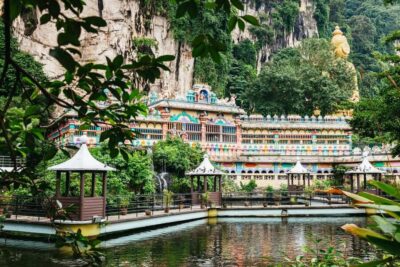
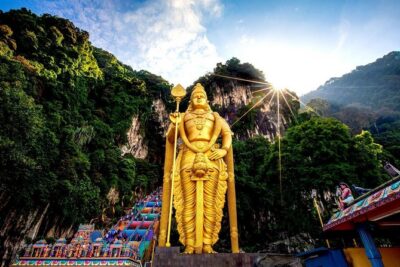
Private Half-Day Batu Caves and Cutural Tour in Kuala Lumpur
Read our review →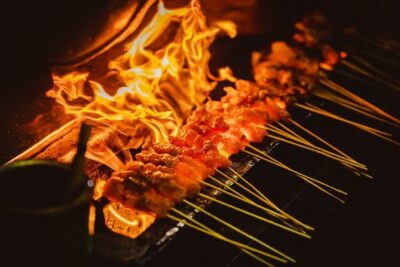
Sambal Streets Kuala Lumpur Food Tour with 15+ Tastings
Read our review →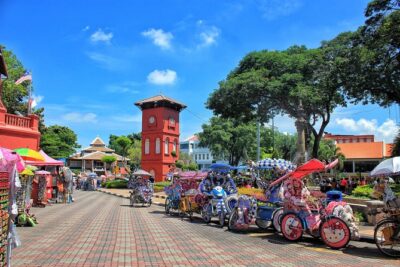
Historical Malacca Guided Day Tour (Shared Tour)
Read our review →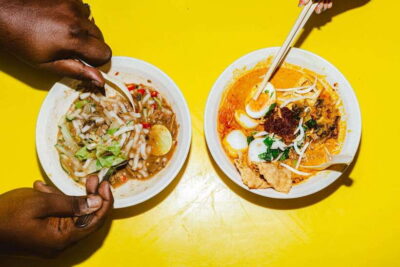
Genting Highland & Batu Cave Guided Day Tour (SIC/Shared Tour)
Read our review →
Browse the lists this tour appears in