
Reviewed · KUALA LUMPUR TOURS
Kuala Lumpur Heritage 4-Hour Walking Tour
Kuala Lumpur’s best introduction may be found on foot, with a snack in one hand and a temple visit ahead. This four-hour walk links Central Market, Chinatown, and two important places of worship, showing you how Malay, Chinese, and Indian traditions share the city center.
I like the small group, limited to eight people, and I like the food-led approach. Guides such as Luis, Lewis, Kristin, Farah, and Christie have helped guests try unfamiliar dishes, understand rituals, and even learn how to eat a banana-leaf meal. The main drawback is the meeting point, which can be tricky to find, and the walk requires a moderate level of stamina.
Key points to know
- Food is part of the lesson: You may stop several times to try local dishes, with past tours including banana-leaf dining and other Malaysian specialties.
- Two major temples feature prominently: Sin Sze Si Ya Temple and Sri Mahamariamman Temple offer very different windows into Chinese Taoist and Hindu practice.
- Small groups improve the experience: With no more than eight people, you can ask questions and receive help with unfamiliar customs.
- The route is central and walkable: Central Market, Kasturi Walk, Chinatown, and Masjid Jamek are all part of the historic core.
- The guide adds practical cultural help: Guides may explain how to make a wish at a Chinese shrine, receive a blessing, or prepare for a Hindu temple visit.
- The meeting point takes care: Look for the turquoise Tourist Information and Interaction Centre above Art Lane near Central Market.
Why this Kuala Lumpur walk works so well
Kuala Lumpur can feel scattered at first. Modern towers, old shophouses, markets, mosques, temples, and food stalls sit close together, but the connections are not always obvious when you explore alone.
This tour gives those pieces a human shape. You meet an English-speaking local guide and walk through the historic center while hearing about the first Chinese and Indian settlers, the city’s mixed cultural traditions, and the meaning behind what you see.
The pace is not simply a march between monuments. There is time for photo stops, food, questions, and a safety briefing. The route is active, but four hours gives the guide enough time to explain rather than rush you from one address to the next.
I would choose this tour early in a Kuala Lumpur visit. It can help you understand the city before you return to Central Market or Chinatown on your own.
More History Tours in Kuala Lumpur
- Historical Malacca Guided Day Tour (Shared Tour)
★ 5.0 · 2,172 reviews - Kuala Lumpur: Batu Caves & Historic Buildings Tour
★ 4.7 · 539 reviews - Historical Malacca Day Tour from Kuala Lumpur (Private Tour)
★ 5.0 · 515 reviews
Finding the turquoise meeting point at Central Market
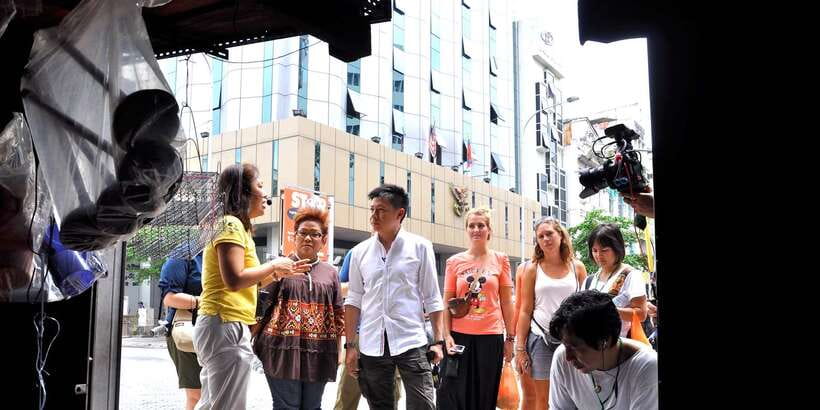
Your meeting point is the Tourist Information and Interaction Centre near Central Market. This is the one logistical detail I would take seriously.
Walk along Kasturi Walk beside Central Market. At the end of the walkway, look for the alley between Central Market and the purple building. Enter Art Lane, walk for about 30 seconds, and find the black staircase. Go upstairs, turn right, and look for the mini garden. The center is next door, with a turquoise-colored interior.
The location is close to a major sight, but it is not simply a guide standing at the main Central Market entrance. Give yourself extra time, especially if your phone connection is unreliable. One person had trouble locating the center and suggested that the meeting place could be easier to identify.
Once you find it, the starting point makes sense. You are already beside one of Kuala Lumpur’s most useful market areas, and the tour begins in the middle of the old city rather than at a hotel or transport terminal.
Kasturi Walk and the first taste of old Kuala Lumpur
The walk begins with Kasturi Walk, a covered market lane beside Central Market. Its stalls sell small goods and souvenirs, and the setting gives you an early look at the commercial side of the old center.
This is not a long museum visit, so you should not expect a detailed shopping session. Instead, the guide uses the market as an opening scene, pointing out how trade and migration shaped Kuala Lumpur.
The covered walkway also helps if the weather is hot or wet. Still, you will be outside for much of the tour, and the route involves a moderate amount of walking. Comfortable shoes, water, and a willingness to keep moving will make the four hours easier.
Bottled water is included. Food tastings are also included, which matters because Kuala Lumpur’s food culture is one of the strongest parts of the experience.
Chinatown and the story of Chinese settlers
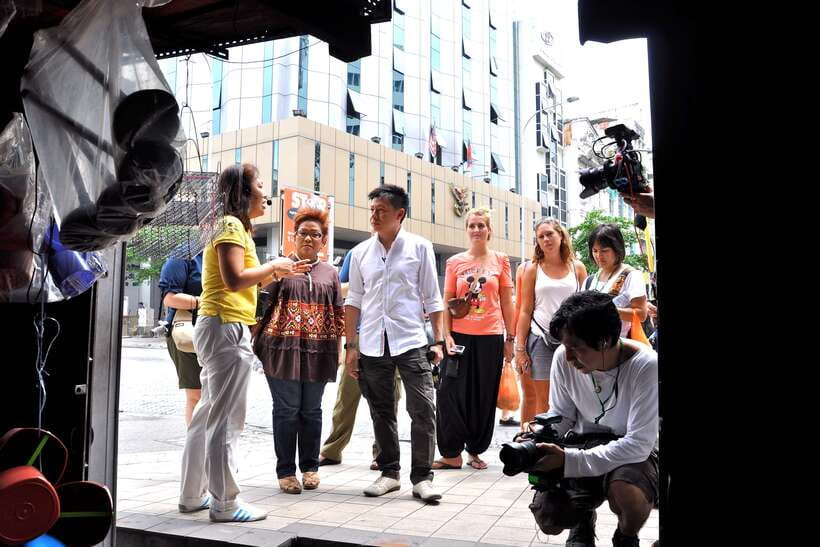
From the market area, the route continues toward Chinatown. Here, the guide tells stories of the first Chinese settlers and explains how Chinese communities became part of Kuala Lumpur’s growth.
The value of this section is the link between people and place. You are not only looking at shops or old streets. You are hearing why this district matters and how its traditions connect to the wider city.
The tour is especially useful if you want cultural context without spending hours in a formal museum. You can ask direct questions as you walk, and a small group makes it easier to pause when something catches your attention.
Do not expect every street or historic building in Chinatown to receive a full explanation. One older assessment found the tour informative but wished it included more places of interest. That is a fair caution: this is a focused four-hour introduction, not a complete survey of central Kuala Lumpur.
More Walking Tours in Kuala Lumpur
- Kuala Lumpur Local Street Food Private Walking Tour by Night
★ 4.5 · 224 reviews - Kuala Lumpur: Nightlife Walking Tour with Local Guide
★ 5.0 · 33 reviews - Half Day Cultural And Heritage Walking Tour in Kuala Lumpur
★ 5.0 · 28 reviews - Kuala Lumpur: Private Walking Tour with a Local
★ 4.5 · 28 reviews
Sin Sze Si Ya Temple and Chinese ritual
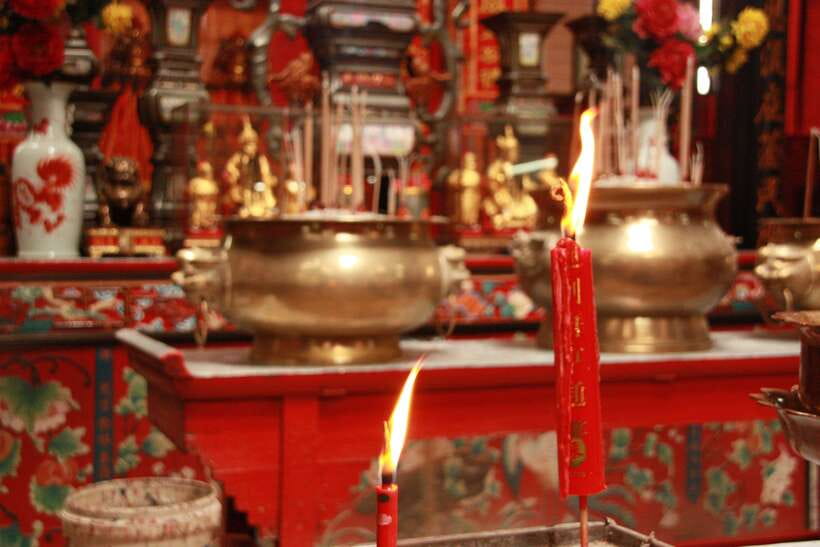
Sin Sze Si Ya Temple is one of the tour’s most memorable stops. Your guide explains the temple and the customs connected with Chinese worship, giving you a better sense of what you are seeing before you enter or observe the ritual spaces.
Past guide-led experiences have included help with making wishes at Chinese shrines. That kind of assistance can make a major difference. Without guidance, you might not know where to stand, what gestures are appropriate, or which parts of the temple are meaningful.
The guide may also explain traditional actions connected with clearing away bad fortune. One previous guest described receiving help selecting the proper materials for that practice, along with an explanation of why the act mattered.
The important point is not to treat the temple as a photo backdrop. You are being asked to pay attention to customs that still have meaning for local worshippers. Follow the guide’s instructions, keep your voice low, and ask before taking photographs.
Sri Mahamariamman Temple and a Hindu welcome
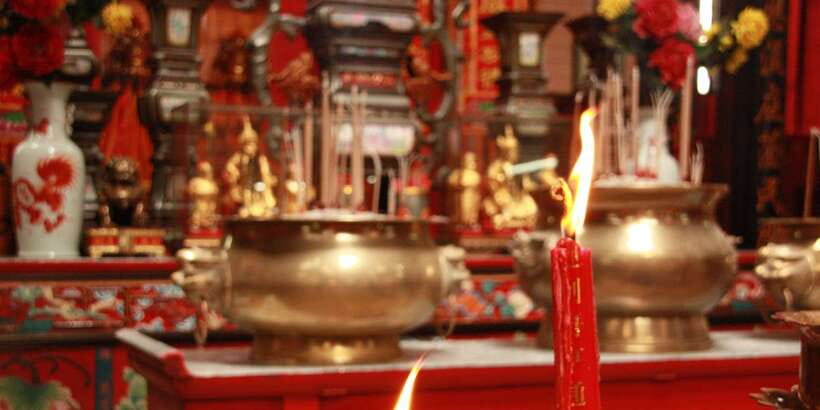
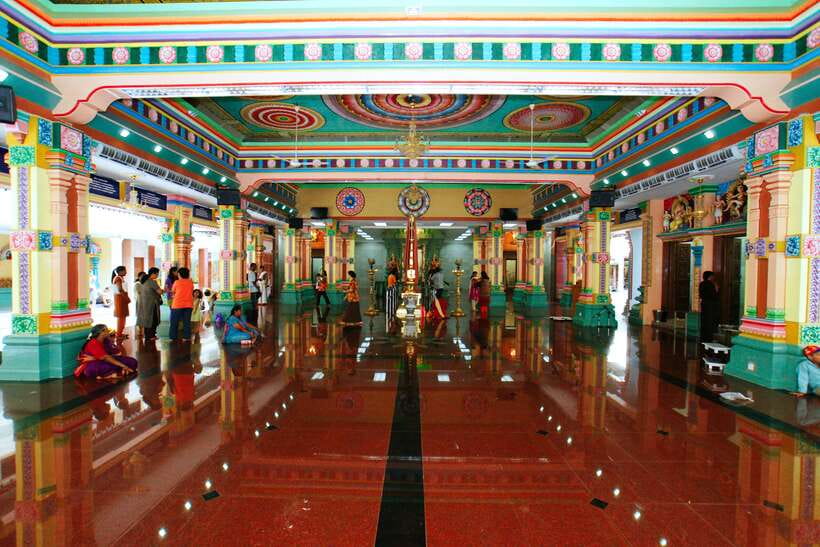
Sri Mahamariamman Temple provides a sharp contrast to the Chinese temple. Its Hindu traditions, visual details, and rituals give the tour a second major cultural viewpoint.
Your guide explains the customs before you take part. On some tours, guests have received jasmine bracelets before visiting the temple. A guide may also explain what to do when entering, how to behave respectfully, and what a blessing means.
That support is valuable because religious sites can be confusing if you do not know the local etiquette. You can take part with more confidence instead of guessing your way through the visit.
The tour’s strongest feature is this combination of observation and participation. You are not merely told that Kuala Lumpur has different communities. You see how those communities practice faith, and you receive enough explanation to approach the setting respectfully.
The temple visit will suit curious adults and older children, but the minimum age is 11. That age rule also hints at the nature of the tour. It is designed for people who can listen, walk, eat unfamiliar food, and show care in religious places.
The food stops are more than a quick snack
Food is woven into the route rather than added as an afterthought. The tastings introduce Malaysian flavors and connect food with the country’s different ethnic traditions.
Some tours have included three eating stops, enough that you may want to skip breakfast or eat only lightly beforehand. Another guide, Christie, adjusted the food choices around what the group had already tried and what they wanted to sample.
A banana-leaf meal has also been part of the experience. Your guide can show you how to eat it, which is useful if you have never eaten this way. The point is not table manners for their own sake. Eating in a traditional format gives you a small, practical connection to local custom.
You should arrive open to unfamiliar dishes. Food preferences are worth telling the guide about at the start, since the experience may involve ingredients and textures outside your usual routine. The supplied information confirms food tastings, but it does not promise a fixed menu, so you should not book expecting a particular dish.
The $60 price becomes easier to judge when you consider what is included: a four-hour guide, several tastings, bottled water, a small group, and visits to culturally important sites. For a first look at Kuala Lumpur, that is reasonable value if you want interpretation and food in one outing.
If you prefer to explore markets independently, avoid organized meals, or spend most of your time inside museums, the price may feel less attractive. You are paying for the guide’s explanations and practical help as much as for the food.
The guide makes the difference
This experience depends heavily on who leads it. Names associated with particularly strong outings include Luis, Lewis, Kristin, Farah, and Christie.
Luis and Lewis have been praised for making the walk feel personal and friendly. Lewis also took photographs during the outing with permission and shared them afterward by email and WhatsApp. That is a thoughtful extra, though you should confirm consent before any photographs are taken.
Kristin’s approach included clear background information and encouragement to try both Chinese and Hindu rituals. Farah helped with jasmine bracelets, temple customs, and the steps around certain Taoist practices. Christie adjusted the food selection to suit the group.
These details show what to look for from your guide: not just facts, but translation between cultures. A good guide explains what you are seeing, tells you how to behave, and helps you decide how much participation feels comfortable.
The tour is conducted in English. Since the group is limited to eight, you have a fair chance to ask questions about religion, family customs, food, and the city’s past.
How the route finishes near Masjid Jamek
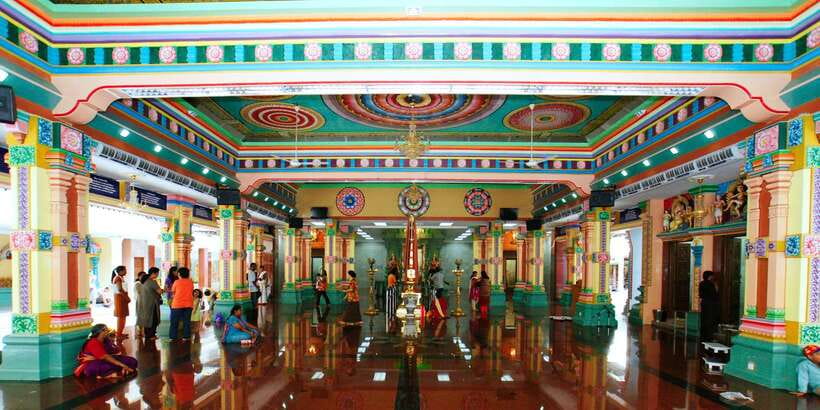
The walking route is described as ending at Masjid Jamek LRT station. Your guide can point you toward your hotel from there, which is useful if you are still learning Kuala Lumpur’s transport system.
The supplied timing calls for four hours, but one outing ran close to an hour longer. I would not build a tight airport transfer, restaurant booking, or train connection immediately afterward. A little flexibility is wise, especially if the group is engaged, the food stops take time, or the guide adds an explanation.
The route description also lists the Tourist Information and Interaction Centre as the arrival point, so you should confirm the exact finish with the operator when booking. The practical information clearly places the meeting point there, while the walking route description points to Masjid Jamek as the end of the sightseeing portion.
Who should book this four-hour experience
I would recommend it to you if you want:
- A first orientation to Kuala Lumpur’s historic center
- Food tastings combined with cultural explanation
- A small group rather than a large coach
- Help understanding Chinese and Hindu temple customs
- A walk that brings together Central Market, Chinatown, and religious sites
- A local English-speaking guide who can answer questions as you go
It is less suitable if you have difficulty walking for several hours, want a completely private experience, or need a rigid finish time. The minimum age is 11, and the moderate walking requirement is worth taking seriously.
The tour also works best for people who are willing to try something new. You do not need to participate in every ritual or eat every sample, but curiosity will make the experience much more rewarding.
Booking details that matter
The tour costs $60 per person and lasts four hours. Groups are limited to eight participants, and the guide speaks English.
You can reserve now and pay later, which helps if your Kuala Lumpur plans are still changing. Cancellation is free up to 24 hours before the tour for a full refund.
Starting times depend on availability. Check the time carefully, then allow extra time to locate the turquoise center above Art Lane. Bottled water, food tastings, the guide, and goods and services tax are included.
Should you book the Kuala Lumpur Heritage Walking Tour?
I would book this tour if you want Kuala Lumpur explained through food, faith, and ordinary city streets rather than only through famous buildings. The strongest part is the way a good guide turns temple etiquette and unfamiliar dishes into something approachable.
The main cautions are simple: find the meeting point early, wear comfortable shoes, and leave space in your schedule afterward. At $60, the tour offers solid value for a small group, several tastings, and hands-on cultural guidance.
Choose it early in your stay, come hungry but not overfed, and tell your guide what you have already eaten. That gives the food stops more purpose and helps the four hours feel like a real introduction to Kuala Lumpur, not just a checklist of sights.
FAQ
Where does the tour start?
The tour starts at the Tourist Information and Interaction Centre near Central Market in Kuala Lumpur.
How do I find the Tourist Information and Interaction Centre?
Walk along Kasturi Walk beside Central Market. At the end, enter the alley between Central Market and the purple building, then walk through Art Lane for about 30 seconds. Go up the black staircase, turn right, and look for the turquoise-colored center beside a mini garden.
How long does the walking tour last?
The scheduled duration is four hours. One described outing lasted almost an hour longer, so allow some flexibility after the tour.
What language does the guide speak?
The live tour guide speaks English.
How large is the group?
The tour is limited to eight participants.
What sights are included?
The route includes Central Market, Kasturi Walk, Chinatown, Sin Sze Si Ya Temple, and Sri Mahamariamman Temple. The walking portion is also described as ending near Masjid Jamek LRT station.
Is food included?
Yes. Food tastings and bottled water are included. The exact food selection is not fixed in the supplied information.
What age is permitted?
The minimum permitted age is 11 years old.
How much walking is involved?
A moderate amount of walking is involved. Comfortable footwear is recommended, and you should be prepared to walk through the city center for much of the four-hour experience.
Just added around Kuala Lumpur
- Fireflies Cruise with Batu Cave Visit and Seafood Dinner★ 4.5 · 10 reviews
- Paddy Field, Fishing Village Sekinchan DAY Tour Lunch (SIC-Shared/Join In Tour)★ 5.0 · 11 reviews
- Petronas Twin Towers Skybridge and Kuala Lumpur City Tour★ 4.0 · 11 reviews
- Batu Caves Tour from Kuala Lumpur★ 3.5 · 11 reviews
- Orang Utan Island Day Tour★ 4.0 · 11 reviews
- Sunway Lagoon Theme Park Day Trip from Kuala Lumpur★ 3.0 · 11 reviews
- Rainforest-Cascading Waterfall & Batu Cave (Private Tour)★ 5.0 · 11 reviews
- Orang Utan Island and Perak Tong Cave Temple Day Tour from Kuala Lumpur★ 4.5 · 11 reviews
Kuala Lumpur Tours, compared.
Private Half-Day Batu Caves and Cutural Tour in Kuala Lumpur
Read our review →
Sambal Streets Kuala Lumpur Food Tour with 15+ Tastings
Read our review →
Historical Malacca Guided Day Tour (Shared Tour)
Read our review →
Genting Highland & Batu Cave Guided Day Tour (SIC/Shared Tour)
Read our review →
Browse the lists this tour appears in