
Reviewed · KUALA LUMPUR TOURS
Kuala Lumpur: Batu Caves & Historic Buildings Tour
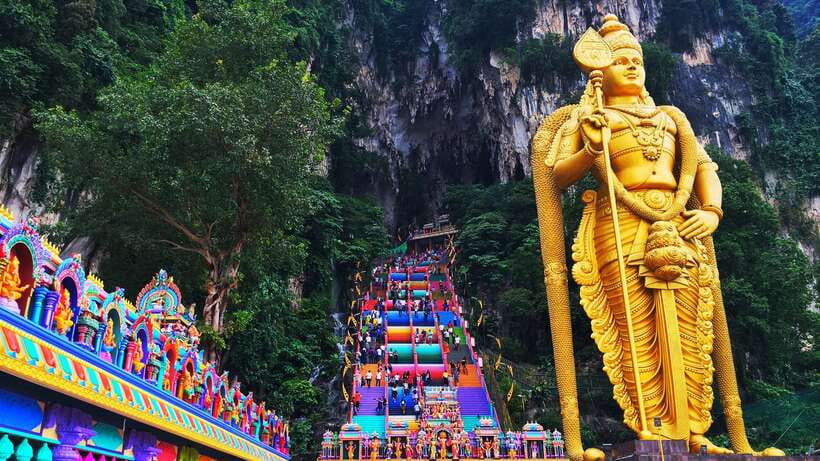
Kuala Lumpur’s religious mix comes into focus on this four-hour tour, which links a Hindu shrine, a Chinese temple, an Islamic mosque, Chinatown, and Little India in one morning. The 272 steps at Batu Caves are the physical test, but they lead to Cathedral Cave and one of the city’s most memorable sights.
I like the air-conditioned hotel pickup, especially in Kuala Lumpur’s heat, and I like the way the route gives you cultural context instead of treating each stop as a quick photo pause. Guides such as Ayyanar, Nesh, Jennifer, and Yuvanesh have been praised for clear explanations, good communication, and flexible pacing.
The main consideration is time. Five or six stops in four hours means you get a useful first look, not a leisurely visit. Entrance tickets, meals, drinks, and tips are also extra, and the National Mosque is closed on Fridays.
Key points to know before booking
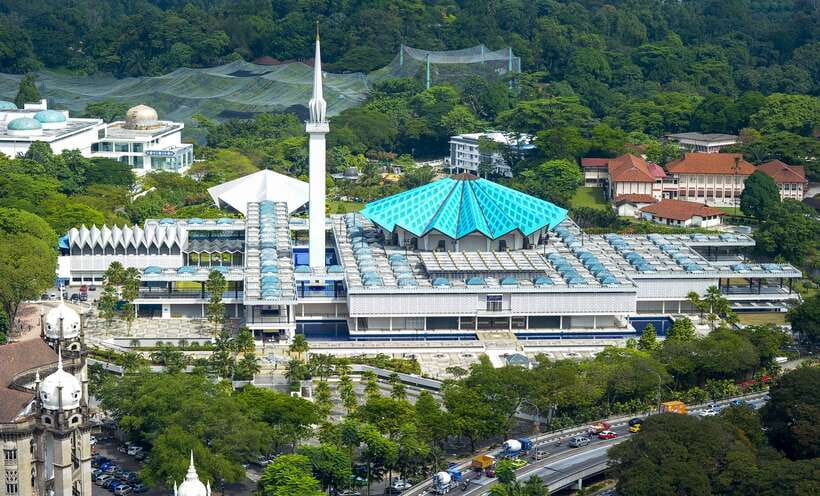
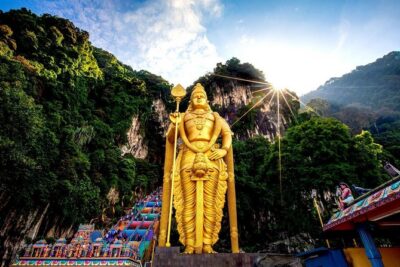
- Batu Caves comes first: Climb 272 steps to Lord Murugan’s golden statue and Cathedral Cave.
- One short route covers several faiths: Hindu, Chinese, and Islamic traditions all feature prominently.
- The guide makes the difference: Ayyanar, Nesh, Jennifer, Jag, and Yuvanesh are among the guides praised for friendly explanations and flexible service.
- The transport saves time: Hotel pickup and an air-conditioned vehicle make it easier to cover distant sights in half a day.
- Dress carefully: Women need long dresses or pants with covered shoulders. Men should wear a T-shirt with knee-length shorts or pants.
- Plan around Friday: The National Mosque will not be available that day.
Why this half-day route works in Kuala Lumpur

Kuala Lumpur is a spread-out city. Batu Caves lies north of the center, while Thean Hou Temple, the National Mosque, Chinatown, and Little India sit in different parts of the urban area. You can visit these places independently, but moving between them by train, taxi, and walking takes planning.
This tour solves that problem with a driver and guide. You get hotel pickup in central Kuala Lumpur, travel in an air-conditioned vehicle, and receive explanations while moving between stops. In a city where traffic can be slow, that matters.
The tour is described as a group tour with three or four pickup locations, yet the booking information also identifies it as a private group. In practice, many bookings have operated like private tours, with a guide and vehicle dedicated to one party. You should confirm the exact arrangement when booking, since the experience can vary.
The guide is a major part of the value. The best guides do more than point out buildings. Ayyanar is repeatedly praised for patience, detailed explanations, courtesy, and photography. Nesh and Yuvanesh are noted for punctuality, smooth driving, and useful adjustments. Jennifer is praised for making solo visitors feel cared for and for helping with photos and navigation.
At $34 per person, the price is attractive if you have only a morning or afternoon in Kuala Lumpur. You are paying mainly for transport, hotel pickup, a guide, and the ability to connect several distant sights. It is less compelling if you prefer long visits at one or two places, or if you already have a car and a strong plan for getting around.
More History Tours in Kuala Lumpur
- Historical Malacca Guided Day Tour (Shared Tour)
★ 5.0 · 2,172 reviews - Historical Malacca Day Tour from Kuala Lumpur (Private Tour)
★ 5.0 · 515 reviews - From Kuala Lumpur: Private Batu Caves Cultural Tour
★ 4.4 · 410 reviews
Batu Caves and the 272-step climb
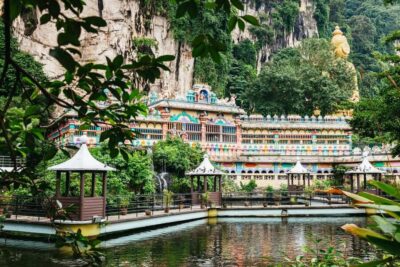
Batu Caves is the anchor of the outing. The site is a Hindu shrine set inside limestone caves, with religious figures, colorful details, and the huge golden statue of Lord Murugan at the foot of the staircase.
Your guide explains the Hindu roots of the shrine and the religious meaning of the complex before you begin the climb. Then you face 272 steps. They are not a technical hike, but the combination of heat, humidity, and steady stairs makes comfortable shoes and water important.
At the top, Cathedral Cave is the main reward. It is the largest cave in the complex, with a high interior and shrines set into the rock. The point is not simply reaching the top for a city view. You are entering an active place of worship, so take your time, watch your footing, and dress respectfully.
The monkeys around Batu Caves can add a lively element, but do not treat them like tame pets. The supplied information does not promise a specific wildlife encounter, so the safe advice is simple: keep your belongings secure and follow your guide’s directions.
Starting at Batu Caves is smart. The climb is easier before the hottest part of the day, and one guide has adjusted the start time to reach the site before heavier crowds. Pickup times can shift slightly because several hotels may be involved, so keep WhatsApp active and expect confirmation from your guide.
If stairs are difficult for you, this is the stop to consider most carefully. A basic level of fitness is required, and the tour does not appear designed around skipping the climb. You can still appreciate the lower shrine area, but the full experience involves reaching the cave above.
Thean Hou Temple on Robson Heights
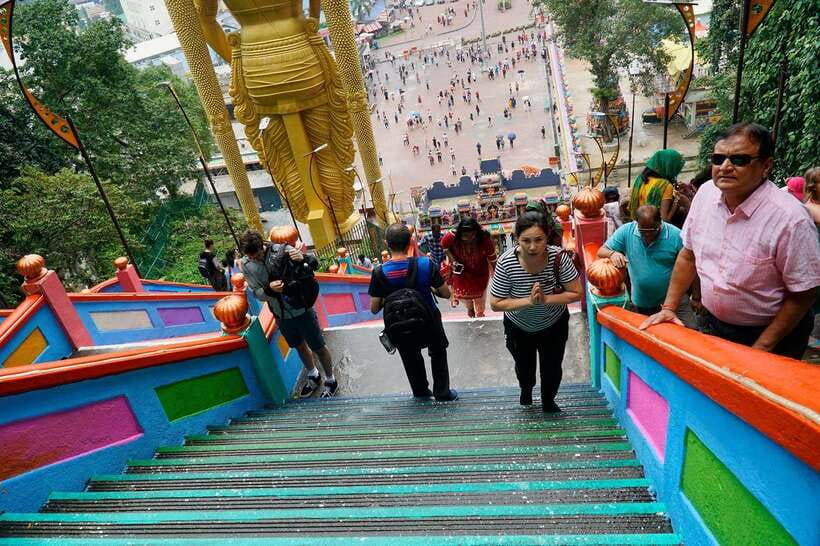
Thean Hou Temple provides a sharp change of mood. This six-tiered pagoda temple sits atop Robson Heights and was built by Kuala Lumpur’s Hainanese community. Construction finished in 1987, and the temple officially opened in 1989.
The temple is dedicated to Tian Hou, a Chinese goddess associated with the sea. Your guide can help place the building within Kuala Lumpur’s Chinese community and explain the role of temples as religious and social spaces.
Thean Hou is a good stop for architecture and photographs. The elevated position gives the site a different feel from the dense streets below, while the multiple levels create plenty of angles for looking at the rooflines and decorative details.
The planned visit lasts about 30 minutes. That is enough for an introduction and photographs, but it will feel brief if you want to examine every detail or spend time quietly observing worshippers. Keep your expectations sensible: this is a sampler, not an extended temple visit.
Some guests have also visited a Chinese temple and a traditional painting workshop on flexible versions of the route. Batik painting appeared in one guide-led outing, but it is not listed as a guaranteed stop in the stated itinerary. Ask in advance if that interests you.
National Mosque and the meaning of modern Malaysia
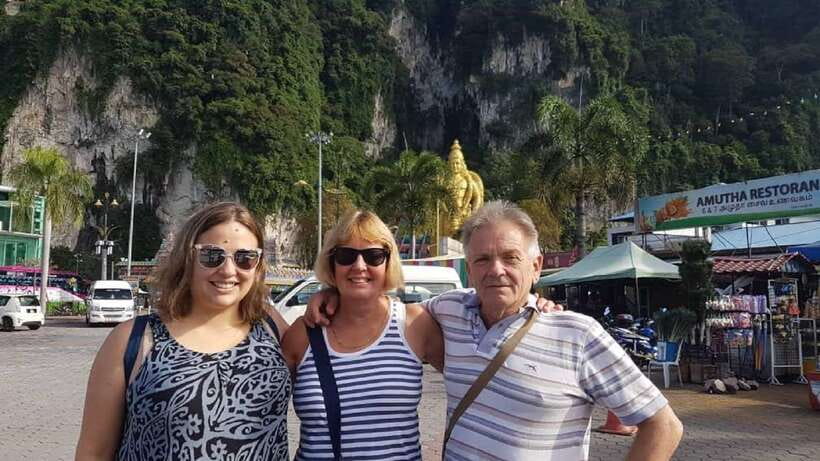
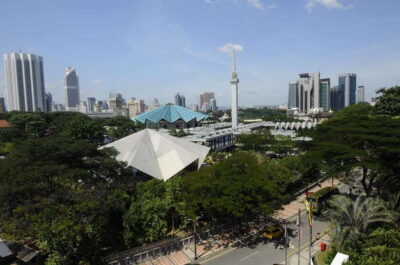
The National Mosque of Malaysia occupies 13 acres of gardens and was designed in the late 1950s, soon after independence. Its purpose was not only religious. The building was also planned as a symbol of the new nation.
This gives the stop real value beyond architecture. Kuala Lumpur’s religious buildings reflect its communities, while the National Mosque also connects to the country’s political story. Your guide can explain how Islam fits into Malaysia’s public identity and how the mosque differs from the Hindu and Chinese sites visited earlier.
The visit is scheduled for about 30 minutes. That is enough to see the main design and gardens, but not enough for a slow architectural study. One useful feature of a guided stop is that you can hear what to look for rather than trying to interpret the building alone.
The mosque is closed on Fridays. This is the most important scheduling restriction on the tour, so choose another day if the National Mosque is a priority. Modest clothing is required across the religious stops. Women should cover their shoulders and wear long pants or a long dress. Men should wear a simple T-shirt with knee-length shorts or pants.
The old railway station may be pointed out or used as a photo stop on some routes, but it is not one of the six listed itinerary stops. The same applies to other landmarks seen from the road. Treat those as useful extras, not promised visits.
More ways to see Batu Caves:
- Kuala Lumpur: Batu Caves Half-Day Tour with Pick-Up Option
★ 4.5 · 4,288 reviews - Private Half-Day Batu Caves and Cutural Tour in Kuala Lumpur
★ 5.0 · 3,107 reviews - From Kuala Lumpur: Batu Caves Cultural Temple Tour
★ 4.7 · 1,453 reviews - Genting Highland & Batu Cave Guided Day Tour (SIC/Shared Tour)
★ 5.0 · 1,289 reviews
Petaling Street, Chinatown, and the food scene
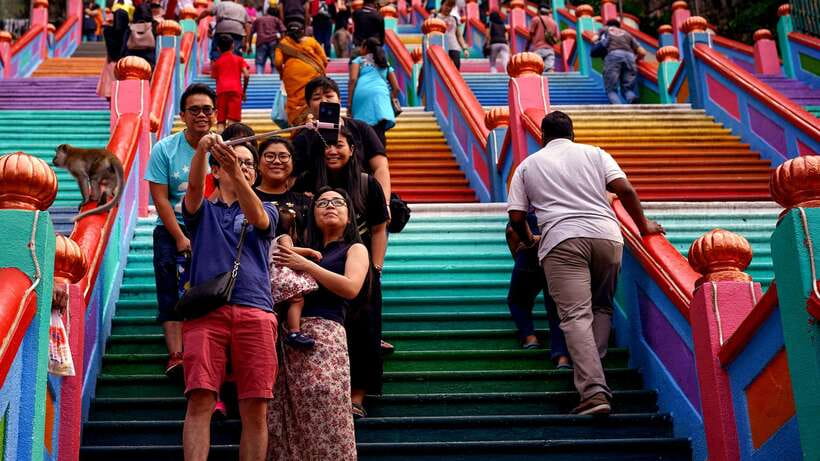
Petaling Street takes you into Kuala Lumpur’s Chinatown. The area is known for rows of stalls and traders selling goods, snacks, and local food. The tour allows roughly 30 minutes here, so you can walk, look around, and get a quick sense of the district.
The food selection reflects the city’s mixed population. Depending on what is open, you might see curry noodles, Hokkien mee, ikan bakar, or asam laksa. Hokkien mee comes from Fujian cooking traditions, ikan bakar is barbecued fish, and asam laksa is a sour soup built around fish and tamarind.
Food and drinks are not included, so budget separately if you want to eat. The short stop is better for a snack or a first look than for a full meal. If you want to sit down and eat slowly, ask the guide whether the schedule can be adjusted.
Chinatown can also be a shopping stop. You may find plenty of inexpensive souvenirs and imitation goods, so be prepared to say no politely. The guide can help you understand the area, but you are responsible for your own purchases and bargaining.
The tour description also highlights Central Market for retail therapy, yet the detailed route names Petaling Street Market. These are different shopping areas. Confirm with the operator if Central Market matters to you, especially if you have already visited one of them or want a particular kind of shopping.
Little India and Kuala Lumpur’s layered identity
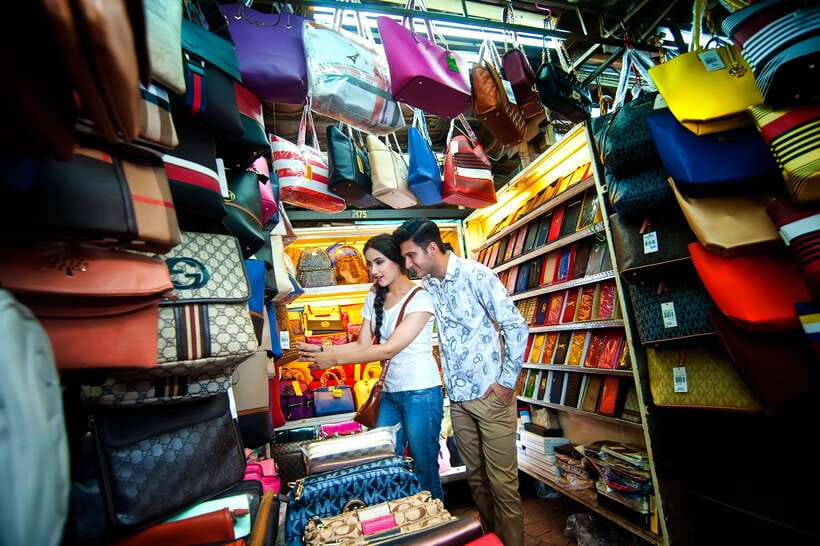
Little India gives the final cultural shift. The neighborhood is part of the city’s Indian community and adds another layer to the Hindu and South Asian influence introduced at Batu Caves.
The scheduled stop is about 30 minutes. That is enough to walk through the area, observe the shops, and ask questions about local life. It is not a long food tour or a detailed market visit, but it helps tie the route together.
This is where the tour’s central idea works best. Kuala Lumpur is not one neatly defined culture. Hindu shrines, Chinese temples, Islamic institutions, Indian commerce, Malay traditions, and colonial-era buildings share the same city. A car-based route lets you see those contrasts quickly, while the guide explains how they fit together.
You will not get a full picture of every community in one morning. You will get a useful introduction and a list of places to return to at a slower pace.
The guide and vehicle matter more than the schedule
The stated program is compact, but guides can shape the quality of the morning. A good guide explains the next stop, tells you where to go, and waits at a clear meeting point. That removes much of the small stress that comes with moving through unfamiliar religious sites.
The strongest guide names attached to this experience include Ayyanar, Nesh, Yuvanesh, Jennifer, Jag, Prabaz, Aru, and Taufiq. Feedback about them consistently emphasizes punctuality, friendly conversation, cultural explanations, safe driving, and willingness to adapt. One guide even moved the start time earlier to avoid Batu Caves crowds.
You should not assume you can request a particular guide or that the same person will be available. But you can make your interests clear at booking. Tell the operator if you care most about photography, religion, architecture, food, shopping, or a gentle pace.
The air-conditioned vehicle is not a luxury detail in Kuala Lumpur. It gives you a cool break between outdoor stops, and several outings included bottled water. Water is not explicitly listed as an inclusion, so do not rely on it being guaranteed. Bring your own bottle.
Pickup is from Kuala Lumpur city hotels only, in the hotel lobby. Keep your phone and WhatsApp active around the pickup time, since the guide uses it to confirm arrival. If several hotels are on the route, the actual pickup may be a little earlier or later than the first estimate.
What to wear and how to pace the morning
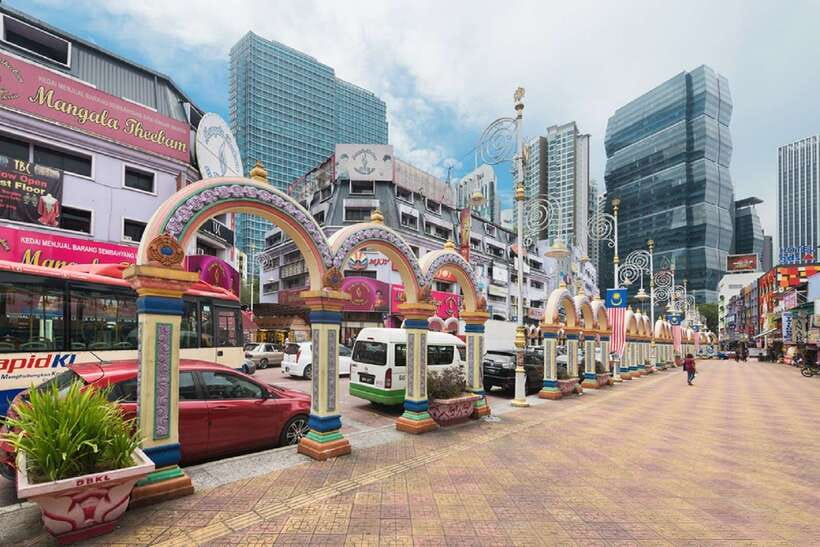
Wear comfortable sneakers. The Batu Caves staircase is the obvious reason, but you will also be walking around temple grounds, mosque gardens, markets, and city streets.
Dress modestly from the start so you do not need to adjust clothing between stops. Women should have covered shoulders and long pants or a long dress. Men should choose a T-shirt and knee-length shorts or pants.
The route can feel hot even with air conditioning in the car. Take the stairs steadily, pause when needed, and use the mosque and temple visits as calmer breaks. The tour is not a race, but the schedule is tight enough that long stops at one place may reduce time elsewhere.
This experience suits first-time visitors, short-stop visitors, solo visitors who want an organized introduction, and anyone who wants to understand Kuala Lumpur through its religious communities. It is less suitable for someone who wants a full food crawl, a long market session, or a relaxed day at Batu Caves alone.
Is $34 good value?
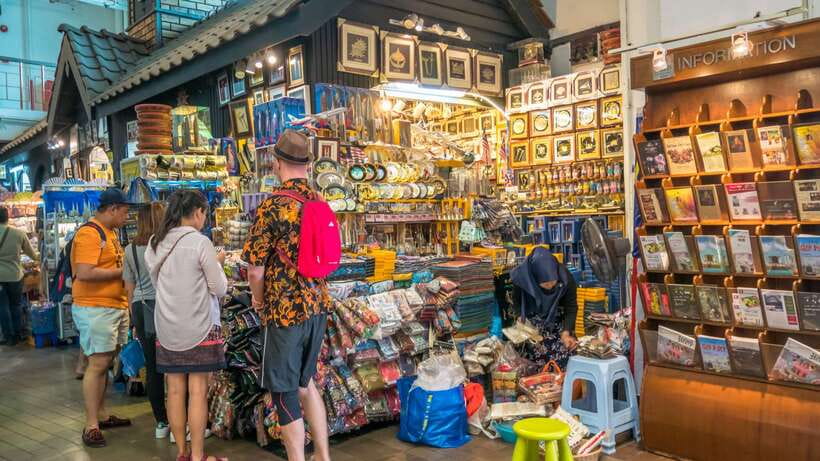
At $34 per person, I see this as a practical orientation tour rather than a deep specialist outing. The value comes from fitting Batu Caves and several central cultural sites into four hours without asking you to arrange multiple rides.
The price does not include entrance tickets, food, drinks, or optional gratuities. Since the listed stops are mainly sightseeing visits, those extras may remain limited, but you should still carry money for snacks and shopping.
The flexible, pay-later booking option and free cancellation up to 24 hours before departure make it easier to fit into a changing Kuala Lumpur schedule. The important point is not the booking flexibility alone. The real question is how much your time is worth. If you have one free morning, the combination of transport and local explanation can be worth far more than trying to connect the same stops on your own.
Should you book this Kuala Lumpur tour?
Book it if you want a fast, well-organized introduction to Kuala Lumpur and do not mind short visits. Batu Caves, Thean Hou Temple, the National Mosque, Chinatown, and Little India give you a useful cross-section of the city, and the guide can add context while you ride.
I would especially choose it for a first day in town, a short stopover, or a solo visit. Ask about the group arrangement, confirm the pickup time, and check that your date is not Friday if the National Mosque matters.
Skip it if you want to spend several hours at Batu Caves, shop Central Market at leisure, or build your own food-focused route. For most visitors with limited time, though, $34 is a fair price for a cool car, hotel pickup, and a guide who can turn a scattered list of sights into a coherent morning.
FAQ
How long does the Kuala Lumpur cultural tour last?
The tour lasts four hours, including hotel pickup, sightseeing, and return to Kuala Lumpur.
What places does the tour visit?
The stated route includes Batu Caves, Thean Hou Temple, the National Mosque of Malaysia, Petaling Street Market, and Little India. Central Market is also highlighted in the tour description, so confirm whether it is included on your departure.
How many steps are there at Batu Caves?
The staircase to Lord Murugan’s statue has 272 steps.
Do I need to be physically fit for Batu Caves?
A basic level of physical fitness is required for the stair climb. Comfortable sneakers are advisable.
What should women wear?
Women need to wear long dresses or pants with their shoulders covered.
What should men wear?
Men can wear a simple T-shirt with knee-length shorts or pants.
Is the National Mosque open every day?
No. The National Mosque is closed on Fridays.
Is hotel pickup included?
Yes. Pickup and drop-off are included from Kuala Lumpur city hotels, with collection from the hotel lobby.
Are food and drinks included?
No. Food and beverages are not included in the tour price.
Is the tour private or shared?
The activity information describes it as a private group, while the pickup notes refer to a group tour with three or four pickup locations. Confirm the exact arrangement when you book.
Is an English-speaking guide provided?
Yes. The tour includes an English-speaking live guide and driver.
Can I cancel the booking?
You can cancel up to 24 hours in advance for a full refund. You can also reserve now and pay later.
Just added around Kuala Lumpur
- Genting Highland Full Day Tour :Exclusive Deal★ 5.0 · 3 reviews
- Genting Highlands Day Trip from Kuala Lumpur with Skyway Cable Car Ride★ 4.0 · 3 reviews
- Full-Day Kuala Lumpur Sightseeing Tour★ 4.0 · 3 reviews
- Kuala Lumpur: City Tour, KL Tower Ticket & Putrajaya w/ Boat★ 5.0 · 3 reviews
- Private Night Tour: Petronas Twin Tower And Shopping★ 5.0 · 3 reviews
- Private Full-Day Cameron Highlands Nature Tour from Kuala Lumpur★ 4.5 · 3 reviews
- Kuala Lumpur Tour Cruise Excursion from Port Klang★ 5.0 · 3 reviews
- Kuala Lumpur International Airport to Kuala Lumpur City Transfer★ 3.0 · 3 reviews
Kuala Lumpur Tours, compared.
Private Half-Day Batu Caves and Cutural Tour in Kuala Lumpur
Read our review →
Sambal Streets Kuala Lumpur Food Tour with 15+ Tastings
Read our review →
Historical Malacca Guided Day Tour (Shared Tour)
Read our review →
Genting Highland & Batu Cave Guided Day Tour (SIC/Shared Tour)
Read our review →
Browse the lists this tour appears in