
Reviewed · KUALA LUMPUR TOURS
Kuala Lumpur: Malaysian Cooking Class with Market Tour
The best part of this Kuala Lumpur cooking class happens before you reach the kitchen. At TTDI Wet Market, you learn what Malaysian cooks actually buy, how local ingredients are used, and how to recognize the building blocks of the meal you will later prepare. Then you head to LaZat Cooking for a hands-on three-course lunch.
I like the market-to-table flow, and I like the personal touch of family recipes passed down through generations. Saadiah has earned special praise for her warmth and for explaining Malaysian food and culture while teaching dishes such as nasi lemak and chicken rendang. The main consideration is the early start and the fixed meeting point: you must get yourself to TTDI Wet Market by 8:30 AM, and your own transport is not included after class.
Key Points to Know Before Booking
- Start at TTDI Wet Market: Meet at the entrance facing Jalan Wan Kadir, then explore local ingredients before cooking.
- Cook and eat a full lunch: You prepare an appetizer, main course, and dessert, not just a single demonstration dish.
- Expect a different menu each day: The class gives you a taste of Malaysia’s varied ethnic food traditions.
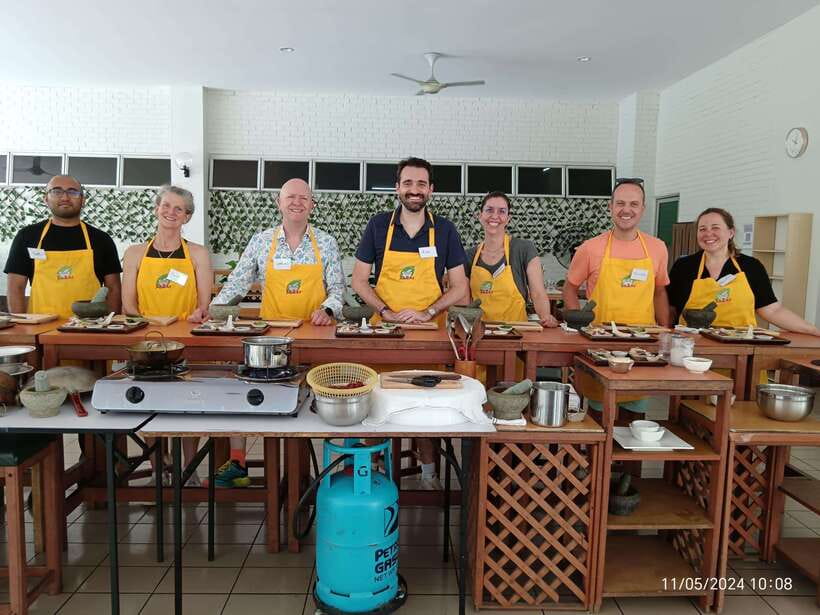
- Learn with your own equipment: Each participant receives a gas burner, utensils, traditional tools, and a mortar and pestle.
- Look for Saadiah’s teaching days: She is especially noted for her explanations of nasi lemak, chicken rendang, Malaysian culture, and family life.
- Plan your transport carefully: A transfer takes you from the wet market to LaZat Cooking, but you arrange your way to the market and away from class.
Why This Class Begins at a Wet Market
A cooking lesson can begin with a pile of printed recipes, or it can begin with the ingredients themselves. This experience chooses the more useful option. You meet at TTDI Wet Market at 8:30 AM, where a representative waits at the entrance facing Jalan Wan Kadir.
The market visit gives your lunch a setting. Instead of treating herbs, spices, and produce as anonymous items on a shopping list, you see them as part of daily Malaysian cooking. Your guide introduces local ingredients and cooking techniques, and the market sellers add a real-world connection that a classroom alone cannot provide.
One especially nice detail is the chance to eat roti canai at the market before class. This is not listed as a formal part of the lunch menu, so think of it as an optional market snack rather than a guaranteed course. Still, it can be a fine way to start the morning, especially if you want to try a local favorite before cooking your own meal.
The market is also where the activity feels most rooted in Kuala Lumpur. You are not simply being shown a tourist attraction. You are learning where the food begins, then carrying that understanding into the kitchen.
There is one practical catch. Transport to TTDI Wet Market is not included, so you need to allow time to reach the meeting point. If you prefer to skip the market, you can join the cooking class later, but you should confirm the appropriate arrival time when booking.
A few more Kuala Lumpur trips worth a look
- LaZat Malaysian Cooking Class
★ 5.0 · 87 reviews - Malaysia Cooking Classes With Local
★ 5.0 · 87 reviews - New Malaysian Kitchen Cooking Class and Garden Tour
★ 5.0 · 54 reviews
From Market Ingredients to the LaZat Kitchen
After the market tour, a transfer takes you to LaZat Cooking School. This is included, which keeps the morning simple once you have reached the starting point. The total experience lasts 330 minutes, or five and a half hours, so set aside most of your morning and early afternoon.
LaZat’s approach centers on care for ingredients and respect for older cooking methods. The school uses fresh herbs and spices from its garden and local farms, and the instructors share family recipes passed down through generations. That matters because Malaysian food is not one narrow style. It reflects several ethnic traditions, and the daily menu changes to show some of that range.
You should not expect the exact same meal every day. Each day features a different ethnic menu, so your dishes depend on the date you choose. This adds variety, but it also means you should check the menu if you have your heart set on a specific dish.
The class is designed to be hands-on rather than a cooking show where you sit and watch someone else do everything. Each participant receives an individual set of equipment, including a gas burner stove, countertop, cooking utensils, traditional utensils, and a mortar and pestle.
That personal setup is a real benefit. You get to work through the steps yourself and handle the tools used in the recipes. A mortar and pestle, in particular, gives the class a more traditional feel than simply tipping prepared ingredients into a modern food processor.
Cooking a Three-Course Malaysian Lunch
The meal includes an appetizer, a main course, and dessert. You are not just learning a recipe to taste in a small sample. You are making a proper lunch and then sitting down to enjoy the result.
The exact dishes change by day, but nasi lemak and chicken rendang have featured in the class. Nasi lemak is one of Malaysia’s best-known dishes, while rendang shows how slowly cooked meat and layered seasoning can create a deep, satisfying meal. Preparing both gives you a useful look at different parts of Malaysian cooking.
The class also teaches technique, not just ingredients. You learn how local cooks work with herbs and spices, how to prepare the components, and how traditional utensils fit into the process. Founder Ana’s guiding idea is to massage your ingredients and fill them up with love. It is a warm phrase, but it also points to the school’s larger method: take time with the food instead of rushing through a recipe.
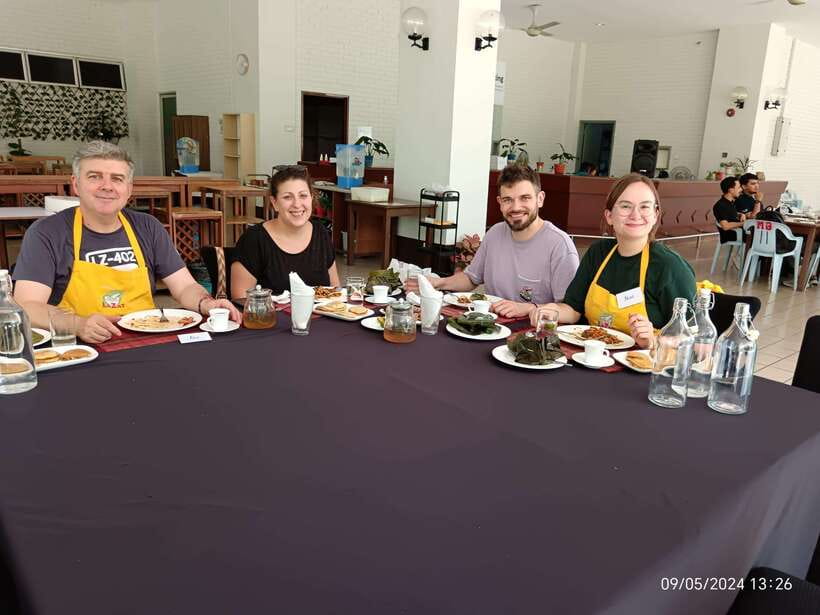
The food is one of the strongest reasons to book. Feedback consistently praises the taste, and the finished lunch is shared with the group. That communal meal gives the class a natural finish. You cook side by side, then enjoy the food together rather than leaving with a plate you eat alone.
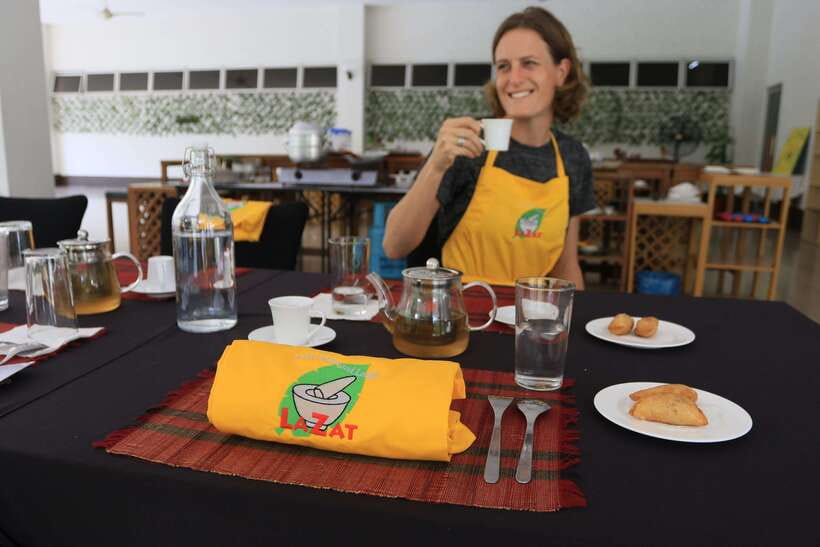
Snacks, coffee, and tea are included. Alcoholic drinks are not, so this is best viewed as a daytime food lesson rather than a wine-paired meal.
The Teachers Make the Difference
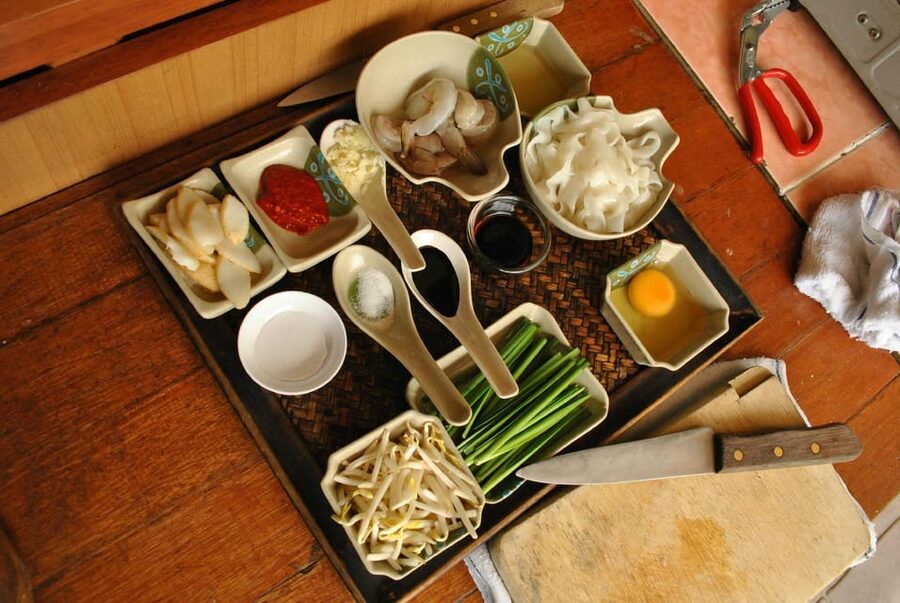
Your instructor may speak English, Malay, or Chinese. That language choice matters because a cooking class works best when you can ask small questions as they arise: how finely to chop something, when a mixture is ready, or what a particular ingredient contributes.
Saadiah deserves special mention. She has been praised for making the lesson fun while also explaining Malaysian food, culture, and her own life and history. Her teaching of nasi lemak and chicken rendang has made a strong impression, and Saturday may be the day to look for her if her schedule remains the same.
Do not book on the assumption that Saadiah will teach every session. The provided information identifies her as a usual Saturday teacher, not a guaranteed instructor for every date. If meeting her is important to you, ask the operator before booking.
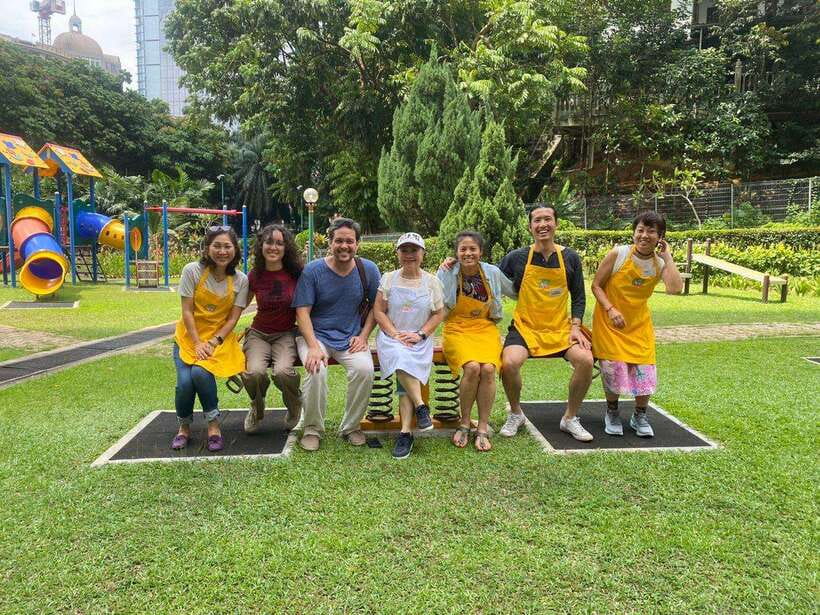
The class welcomes individuals and groups, and it is set up for a small group with the instructor and fellow participants. A smaller class usually gives you more room to ask questions and more direct help while cooking. It also means the social side is part of the experience. You will share equipment space, compare results, and eat the lunch together.
That group format may not suit someone who wants a private lesson. The experience is built around a shared class, not a one-to-one chef appointment. For most people, though, the group setting adds energy without taking away the hands-on work.
More market tours in Kuala Lumpur:
- Market Visit & Private Hands-on Cooking Class at Daun Senja
★ 5.0 · 51 reviews - Private Kuala Lumpur Night Market And Food Tour
★ 5.0 · 13 reviews - Kuala Lumpur: Street Market Exploration & Shopping Tour
★ 4.9 · 12 reviews - Private Tour: Half-Day Shopping and Market Exploration in Kuala Lumpur
★ 4.0 · 11 reviews
What the Five and a Half Hours Feel Like
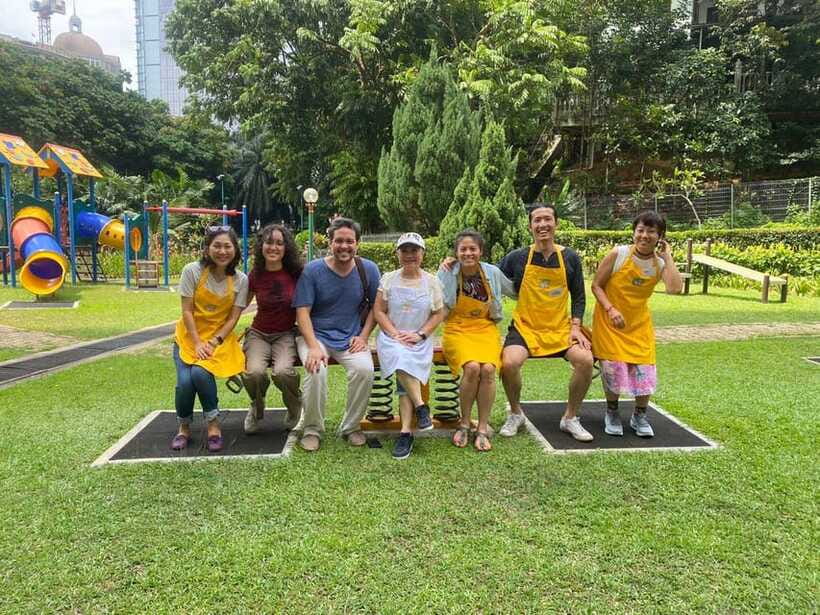
The 330-minute length sounds long until you break it down. The morning begins at the wet market, then moves to the cooking school, followed by preparation, cooking, and lunch. The schedule gives the food time to make sense.
The early start is worth noting. You meet at 8:30 AM, so this is not a lazy late-morning activity. If your hotel is across Kuala Lumpur, plan your route carefully and leave extra time for the meeting point. A late arrival could mean missing the market portion, which is one of the most distinctive parts of the experience.
Once the market visit is finished, the transfer to LaZat Cooking is included. After the class, however, transport is not included, so you need to arrange your own departure. This is easy enough if you have a planned taxi or ride-hailing pickup, but do not assume the school will take you back to your hotel.
You can skip the market tour and join later if you prefer. This option may suit repeat visitors, people staying far from TTDI, or anyone who has already explored a wet market in Kuala Lumpur. Still, I would keep the market portion if possible. It connects the ingredients to the finished food and gives the day more character.
Is the $149 Price Fair?
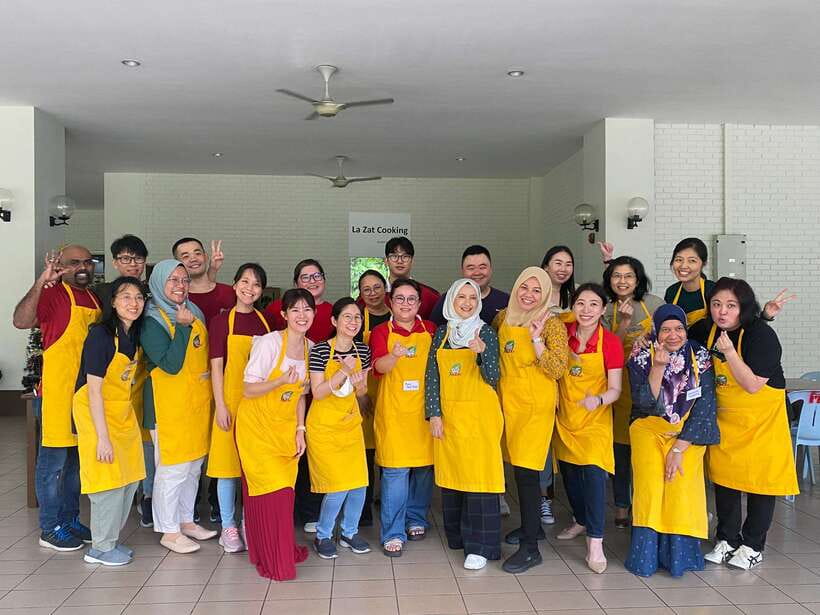
At $149 per person, this is not a bargain cooking lesson. The value depends on what you want from the day.
You are paying for a five-and-a-half-hour experience, a market tour, a transfer from the market to the school, snacks, coffee or tea, a full three-course lunch, instruction, and an individual cooking station. You also receive more than a meal. The class explains ingredients, techniques, cultural context, and family recipes.
The price makes more sense if you care about hands-on instruction and local food knowledge. A cheaper food tour might let you taste more dishes, but it would not give you the same chance to prepare lunch yourself. A cheaper cooking class might teach one or two dishes, but this one includes a market visit and three courses.
It may feel less worthwhile if you mainly want to eat. You will spend a good part of the day chopping, mixing, cooking, and cleaning rather than sightseeing. The class is also less flexible than an ordinary restaurant meal because you need to meet at a fixed time and place.
For a special food-focused day in Kuala Lumpur, I consider the price reasonable if you will take the cooking lessons home with you. The recipes and techniques can keep paying off after your holiday, especially if you enjoy cooking Malaysian food for friends and family.
Dietary Needs and Practical Comfort
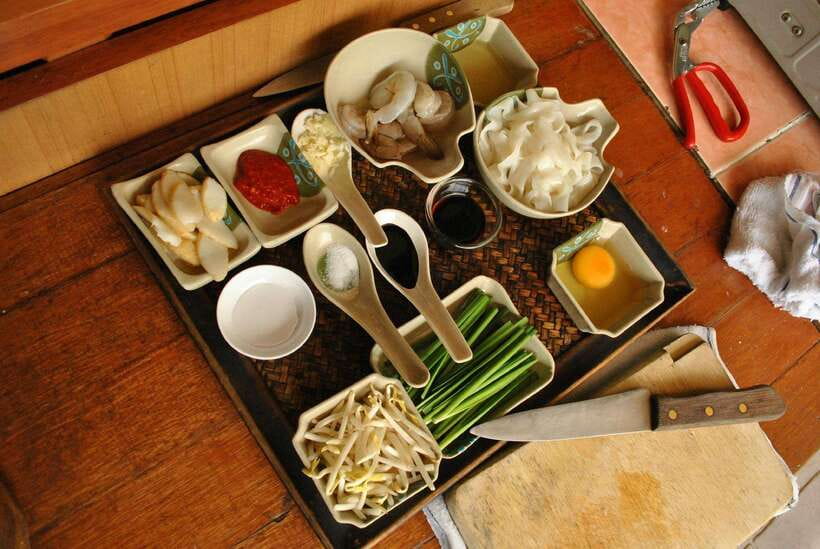
The school welcomes people with dietary needs, which is useful for a class built around a set menu. You should provide those details before the activity so the instructor has time to plan. The available information does not specify every dietary substitution, so do not assume that every request can be handled without advance notice.
You receive your own gas burner, utensils, and traditional tools. That setup gives you a proper workstation and lets you take part in each stage of the recipes. It also means you should expect active participation rather than a passive demonstration.
Wear something comfortable for cooking and choose footwear you can stand in for several hours. The activity includes a market walk and a long kitchen session, so comfort matters more than dressing up. The provided information does not give specific clothing rules, so keep your preparation simple and practical.
Coffee, tea, and snacks are included. Since alcohol is not included, plan to enjoy the meal with the provided nonalcoholic drinks or arrange anything else yourself if permitted.
Who Will Enjoy This Most
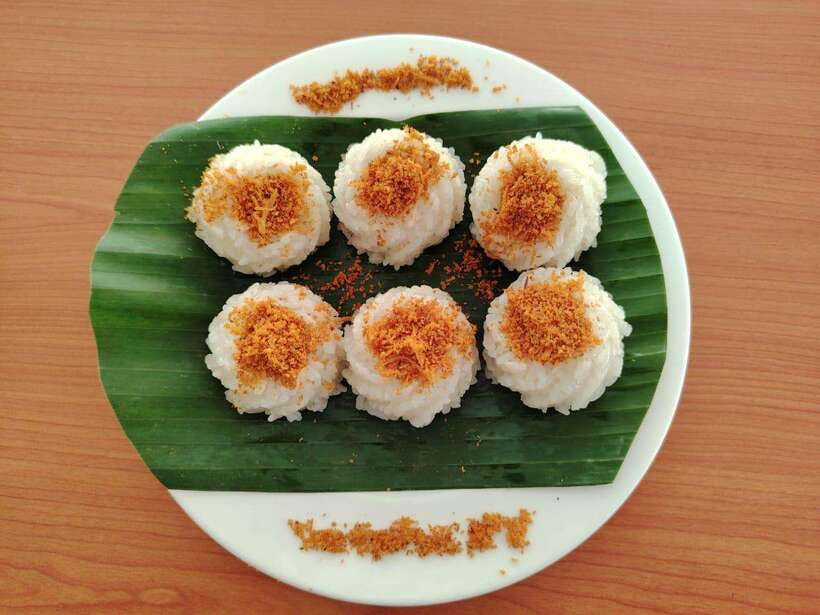
I would recommend this class to anyone who plans a Kuala Lumpur trip around food. It suits curious cooks, first-time visitors who want a local introduction, and returning visitors who want more than restaurant meals.
It is also a good choice for people who like cultural context. The teachers do not only explain how to cook. They share stories, family recipes, and background about Malaysian food and culture. Saadiah’s teaching style, in particular, has been warmly received for this reason.
Couples, solo participants, and small groups can all fit into the format. Solo participants should be comfortable joining a shared class, while groups should expect to work alongside other people rather than having the kitchen entirely to themselves.
Families may enjoy the activity, but the data does not provide a specific minimum age or child policy. If you are bringing children, confirm that point with LaZat Cooking first.
You should think twice if your schedule is tight. The class takes 330 minutes, begins early, and requires travel to TTDI Wet Market. It is a full morning and lunch activity, not a quick stop between major Kuala Lumpur sights.
Booking Tips for a Smoother Morning
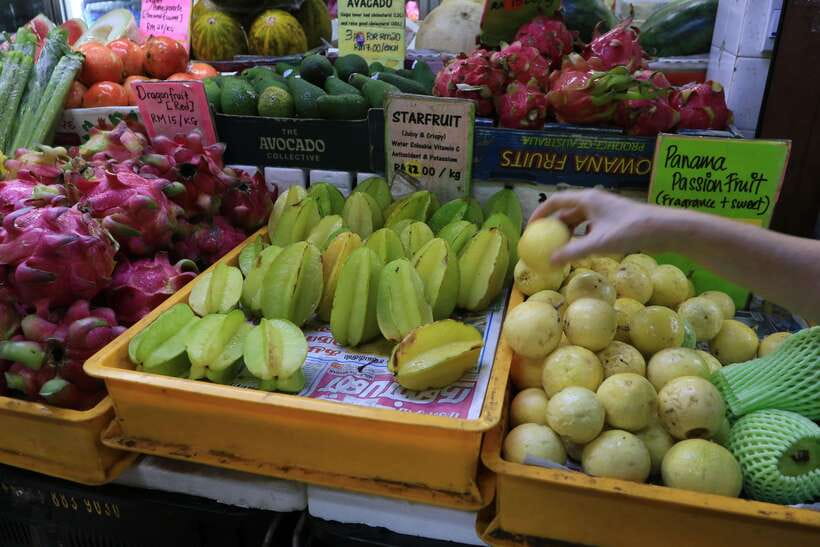
Choose a date based on the menu if possible. Since the ethnic menu changes each day, checking the planned dishes can help you avoid disappointment or find a meal you especially want to learn.
Ask about the instructor if that matters to you. Saadiah is usually associated with Saturdays, but the instructor is not guaranteed from the information provided. The class can be taught in English, Malay, or Chinese.
Plan the route to TTDI Wet Market before the day itself. The meeting point is the entrance facing Jalan Wan Kadir, and the representative waits there. Do not simply put the market name into a taxi app and assume you will find the group at the right door.
The activity offers free cancellation up to 24 hours before the start for a full refund. You can also reserve now and pay later, which helps if you are still arranging your Kuala Lumpur schedule.
Finally, leave room after lunch. Since your onward transport is not included and the class is substantial, avoid booking a tightly timed afternoon appointment across the city.
Should You Book the LaZat Cooking Class?
Book it if you want to understand Malaysian food by buying ingredients, preparing them, and eating the finished meal. The wet market visit, individual cooking stations, changing ethnic menus, and family recipes give the day more substance than a standard demonstration.
The strongest reason to go is the combination of food and personal teaching. Saadiah is a particularly good choice if her schedule works for you, while the included market transfer removes one logistical step after the morning tour.
Skip it if you only have a short time in Kuala Lumpur, dislike early starts, or would rather spend the day tasting food than cooking it. At $149, the experience asks for both time and money, but it offers a full culinary lesson, not just lunch. For food-focused visitors who value authentic preparation and a shared table, that is a fair trade.
FAQ
Where does the Kuala Lumpur cooking class begin?
The class begins at TTDI Wet Market, also called Pasar Besar TTDI. Meet the representative at the entrance facing Jalan Wan Kadir.
What time should I arrive?
The market tour begins at 8:30 AM. Plan to arrive before then so you do not miss the group at the market entrance.
Is transport to the wet market included?
No. You arrange your own transport to TTDI Wet Market.
Is transport from the market to the cooking school included?
Yes. A transfer from the wet market to LaZat Cooking School is included after the market tour.
Is transport after the cooking class included?
No. You arrange your own transport after the class finishes.
How long does the experience last?
The activity lasts 330 minutes, which is five and a half hours.
What food will I cook?
You prepare a three-course lunch with an appetizer, main course, and dessert. The menu changes daily and features a different ethnic menu. Nasi lemak and chicken rendang are among the dishes taught on some days.
Do I get my own cooking equipment?
Yes. Each participant receives an individual gas burner stove, countertop, cooking utensils, traditional utensils, and a mortar and pestle.
What drinks and food are included?
Snacks, coffee or tea, and the three-course lunch you prepare are included. Alcoholic beverages are not included.
Can I join without taking the market tour?
Yes. You may skip the market tour and join the class later. Confirm the later arrival time with LaZat Cooking when you book.
Which languages are available?
The instructors teach in English, Malay, or Chinese.
Can the class accommodate dietary needs?
The school welcomes people with dietary needs. Share your requirements in advance so the team can discuss suitable arrangements.
Who may teach the class?
LaZat Cooking uses local instructors. Saadiah is noted as a usual Saturday teacher, but you should confirm the instructor for your chosen date if that is important to you.
Can I cancel for a full refund?
Yes. You can cancel up to 24 hours in advance for a full refund.
Do I have to pay at the time of booking?
No. The experience offers a reserve-now, pay-later option, allowing you to hold a place without paying immediately.
More Workshops in Kuala Lumpur
- Batu Caves and Sari Experience with Batik Workshop
★ 5.0 · 181 reviews - Batik Coloring Workshop by myBatik
★ 5.0 · 48 reviews - Batik Bag Painting Workshop by myBatik
★ 5.0 · 35 reviews - Malaysian Hands-On Cooking Class : Masala Medley
★ 5.0 · 24 reviews
More Shopping Tours in Kuala Lumpur
- Kota Kinabalu City Day Tour & Filipino Market Shopping
★ 4.5 · 10 reviews
Just added around Kuala Lumpur
- Fascinating Kuala Lumpur Tour with 13 Famous Landmarks★ 5.0 · 8 reviews
- KL Tower Atmosphere 360 Revolving Dinning Experience★ 4.0 · 9 reviews
- Kuala Lumpur City Highlights Group Tour★ 5.0 · 9 reviews
- Kuala Lumpur Half Day City Private Tour★ 4.0 · 9 reviews
- Taman Negara Day Tour with Canopy Walk★ 5.0 · 9 reviews
- Putrajaya City Tour From Kuala Lumpur★ 4.5 · 9 reviews
- Full Day Kuala Lumpur City Tour with Petronas Twin Tower Tickets★ 4.0 · 9 reviews
- Kuala Lumpur Airport Transfer★ 5.0 · 9 reviews
Kuala Lumpur Tours, compared.


Private Half-Day Batu Caves and Cutural Tour in Kuala Lumpur
Read our review →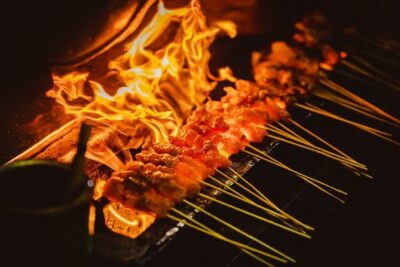
Sambal Streets Kuala Lumpur Food Tour with 15+ Tastings
Read our review →
Historical Malacca Guided Day Tour (Shared Tour)
Read our review →


Genting Highland & Batu Cave Guided Day Tour (SIC/Shared Tour)
Read our review →
Browse the lists this tour appears in