
Reviewed · KUALA LUMPUR TOURS
Market Visit & Private Hands-on Cooking Class at Daun Senja
The best part of Daun Senja Kitchen is that it starts before the cooking. You meet Patricia and Kingston at 8:00 am, visit a local wet market, and eat breakfast at a food stall before heading home to cook. You get a useful look at how Malaysian food begins, not just how it arrives on a restaurant plate.
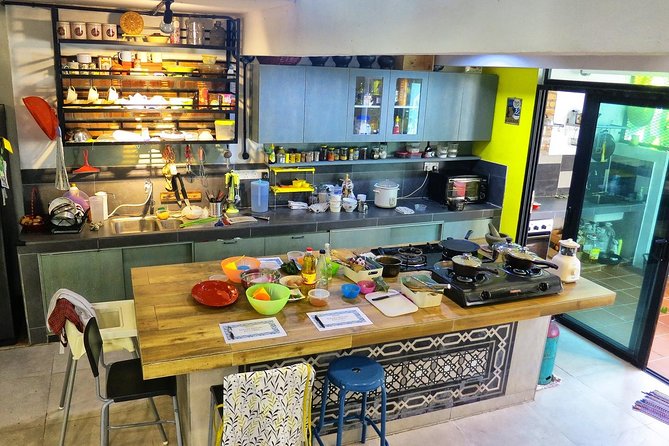
I like the private format, which keeps the class to your own party of up to five. I also like the friendly, home-based teaching style. You can ask questions as you go, handle the ingredients, and see how each part of the dish changes in the pan. The main drawback is location: Taman Suntex in Cheras is outside central Kuala Lumpur, so you should allow time and likely use a Grab.
What makes this Kuala Lumpur cooking class special
- A wet-market start: Except on Mondays, you visit a local market and have breakfast at a nearby food stall.
- A genuinely private lesson: Your party of up to five receives the instructor’s full attention.
- Three Malaysian menu choices: You choose from dishes such as Chicken Pong Teh, Nasi Lemak, Chicken Curry, Roti Jala, and local desserts.
- A family-home setting: Patricia and Kingston create a relaxed class where cooking feels social rather than formal.
- A meal you actually prepare: After the lesson, you sit down to eat the three-course meal, with a glass of wine or beer.
- A practical souvenir: The recipes use ingredients you may be able to find back home, making the class useful beyond your morning in Kuala Lumpur.
Start at 8:00 am with Cheras market life
The meeting point is in Taman Suntex, 43200 Cheras, Selangor, and the experience begins at 8:00 am. The activity lasts about four and a half hours and finishes back at the meeting point.
This is not a central Kuala Lumpur walk from one famous sight to another. It takes you into a local residential area, where the morning pace is calmer and the setting feels more like everyday Malaysia than a visitor district. That change of scene is part of the value, but it also means you need to plan your ride carefully.
You can reach the area by public transport, and the experience is near public transportation. Still, a Grab is likely the simplest choice for many people. One participant put the journey from central Kuala Lumpur at roughly 20 to 30 minutes, though traffic can affect that timing. I would avoid booking a tight morning appointment afterward.
The market visit takes place except on Mondays. If your date falls on a Monday, the hosts substitute a breakfast at a small local restaurant, where you may have roti and dosa. That is not quite the same as walking through a wet market, but it keeps the morning focused on local food rather than leaving a gap in the schedule.
A few more Kuala Lumpur trips worth a look
- LaZat Malaysian Cooking Class
★ 5.0 · 87 reviews - Malaysia Cooking Classes With Local
★ 5.0 · 87 reviews - New Malaysian Kitchen Cooking Class and Garden Tour
★ 5.0 · 54 reviews
A wet market, local breakfast, and useful food lessons
The market stop gives the class a wider purpose. You are not simply handed premeasured ingredients in a kitchen. You first see where some of the food culture begins, then taste a local breakfast before preparing your own meal.
You may learn about ingredients used in Malaysian cooking and see foods that are less familiar than the dishes served in central Kuala Lumpur restaurants. The visit also gives Patricia and Kingston a chance to explain what you are buying and why it matters in the recipes.
Breakfast is taken at one of the market food stalls. The food mentioned in the experience includes Indian-style roti and dosa, an appealing reminder that Malaysian cooking is shaped by several culinary traditions. This is a useful detail for anyone who thinks Malaysian food means only one set of flavors or dishes.
The market is also where the class feels least polished in a good way. You are seeing an ordinary food area rather than a staged demonstration. That can mean more noise, unfamiliar ingredients, and less predictability. If you prefer a quiet, highly structured tour, this part may feel loose. If you want a closer look at daily food culture, it is likely to be one of the morning’s most worthwhile stops.
Three menu choices with very different flavors
The class offers three menu options. The exact selection should be confirmed when you book, since the choices are presented as alternatives rather than one large menu.
Option one: Chicken Pong Teh, eggplant sambal, and Pulut Inti
Chicken Pong Teh is served with rice and forms the main dish in this menu. The meal also includes eggplant sambal and Pulut Inti, a traditional sweet made with glutinous rice and coconut.
This option gives you a good spread of Malaysian home cooking. You work with a savory chicken dish, a spicy vegetable side, and a dessert with a different texture and sweetness. It suits you if you want a menu that shows how one meal can move from hearty and savory to hot, vegetable-based, and sweet.
More market tours in Kuala Lumpur:
- Private Kuala Lumpur Night Market And Food Tour
★ 5.0 · 13 reviews - Kuala Lumpur: Street Market Exploration & Shopping Tour
★ 4.9 · 12 reviews - Private Tour: Half-Day Shopping and Market Exploration in Kuala Lumpur
★ 4.0 · 11 reviews - Kuala Lumpur: Malaysian Cooking Class with Market Tour
★ 5.0 · 11 reviews
Option two: Nasi Lemak, pineapple and cucumber salad, and Sago Gula Melaka pudding
Nasi Lemak is one of Malaysia’s best-known dishes, and making it yourself lets you pay attention to the components rather than treating it as a single restaurant order. The pineapple and cucumber salad adds a fresh contrast, while Sago Gula Melaka pudding brings palm sugar into the dessert.
This is a good choice if you want an immediately recognizable Malaysian dish with lighter sides. It also offers a pleasant balance of textures, from rice to crisp salad ingredients to soft sago pudding.
Option three: Chicken Curry, Roti Jala, and Ondeh Ondeh
The third menu pairs chicken curry with Roti Jala, a lacy Malaysian crepe often served with curry. Ondeh Ondeh is the dessert, a sweet treat associated with palm sugar and coconut.
This menu may be especially appealing if you like the idea of making both a main dish and a bread-like accompaniment. Roti Jala adds a hands-on element that is different from simply cooking rice, and it gives you something distinctive to try at home later.
The menu options are a real strength because they offer more than a generic fried-rice lesson. At the same time, you should choose based on what you most want to learn. Nasi Lemak is the obvious pick for a first taste of a famous Malaysian staple. Chicken Curry with Roti Jala gives you the most unusual cooking project. Chicken Pong Teh offers a broader home-meal combination.
Hands-on teaching in Patricia and Kingston’s home
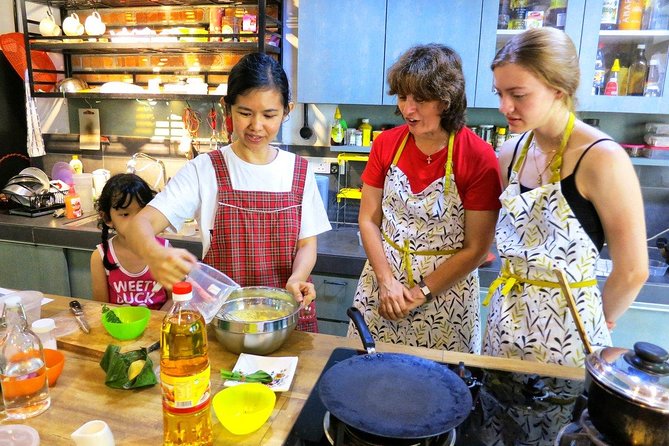
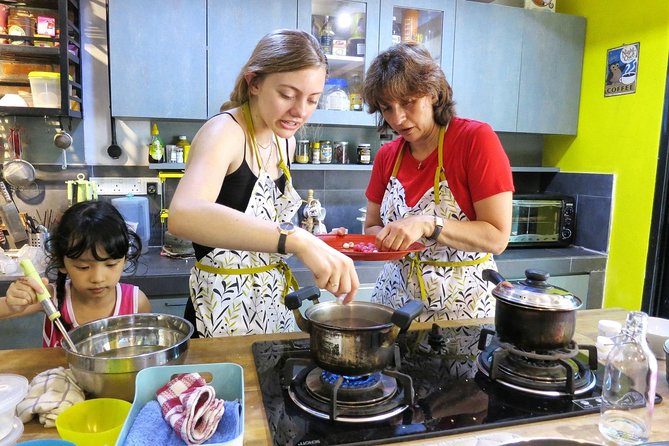
After breakfast, you head to Patricia and Kingston’s home for the cooking lesson. The format is side by side rather than a distant demonstration. You should expect to take part in the preparation, ask questions, and watch how ingredients contribute to the finished dishes.
That private setup matters. With a maximum of five people, the class can adjust to your pace. Experienced cooks can ask about technique and ingredient choices, while beginners can get more help with each step. You are not lost in a large group waiting for a turn at the stove.
The hosts are frequently described as warm and welcoming, and the class has a family atmosphere. Patricia’s two young daughters may also be around, and one family with a two-year-old found the setting accommodating. The available information does not promise childcare or a formal children’s program, so families should still ask about their own needs. But the relaxed home environment appears better suited to children than a strict professional kitchen.
The teaching style is also practical. You are able to see how the ingredients affect the final dish, rather than only copying a recipe after the fact. That makes the lesson easier to remember, especially when you try the food again at home.
Do not expect a formal culinary-school course with technical lectures or a certificate. The strength here is personal instruction and cultural context. Patricia and Kingston explain food in the setting where it is eaten, shared, and prepared for family.
The three-course meal is part of the lesson
When the cooking is finished, you sit down to eat the meal you prepared. This is more than a convenient lunch. It gives you a chance to taste the balance of the dishes together and compare the result with what you sampled earlier in the morning.
A glass of wine or beer is included with the meal. If you do not drink alcohol, the supplied details do not specify a substitute, so you should check ahead. The meal is served as a three-course experience based on your chosen menu.
I like this finish because it gives the morning a clear reward. You have handled the ingredients, followed the cooking process, and then get to enjoy the result without rushing away. It also encourages conversation with the hosts, which is where the class’s cultural value comes through most clearly.
The recipes are another practical advantage. The dishes are distinctly Malaysian, but the available information indicates that they do not rely heavily on ingredients that are impossible to find in places such as Switzerland. That makes the class more useful than one built around rare items you will never see again. You can take the methods home and make a reasonable attempt to repeat them.
Is $130 good value for four and a half hours?
At $130, this is not the cheapest food activity in Kuala Lumpur. The value depends on how you use it.
You are paying for a private class, a market visit, breakfast, hands-on instruction, a three-course meal, and a drink. For a group of two to five people, the private format can make the price more reasonable because the cost buys an experience shared only with your own party. The hosts’ time is focused on you, rather than divided among a large class.
The price is harder to justify if you mainly want a quick cooking lesson or a low-cost meal. Kuala Lumpur has many inexpensive food options, and you could spend much less eating local dishes without a class. This experience earns its price through the combination of market access, personal teaching, food preparation, and time with a local family.
Group discounts are available, though the exact discount is not provided. If you are traveling with several relatives or friends, check the final price for your group. Up to five people can participate privately, which is the ideal size for sharing the work without losing personal attention.
Who will enjoy this class most?
I would recommend Daun Senja Kitchen to you if you want food to be a way into local life. It is especially well suited to:
- Couples who want a personal morning outside central Kuala Lumpur
- Families looking for a relaxed activity with hands-on work
- Cooks who want recipes they can repeat at home
- First-time visitors who want context for Malaysian ingredients and meals
- Experienced home cooks who enjoy asking detailed questions
- Small groups that can make the private price work
The experience may be less suitable if you want a central location, a late start, or a polished restaurant-style cooking school. It also may not fit someone who dislikes market settings or is looking for a strictly timed sightseeing tour.
The class is private, and service animals are allowed. It is also near public transportation. Confirmation arrives within 48 hours of booking, subject to availability, so do not wait until the last minute if your Kuala Lumpur schedule is fixed.
Small details that can make the morning easier
Book a non-Monday date if the wet-market visit is important to you. Monday guests receive a restaurant breakfast instead, with roti and dosa, but the market itself is not open.
Wear something comfortable for a morning that includes walking, eating, and kitchen work. The supplied information does not specify a dress code or special equipment, so ask the provider if you have concerns about clothing, dietary needs, or the menu.
Leave room in your schedule after the class. The duration is approximately four hours and 30 minutes, and the activity returns to the meeting point at Taman Suntex. Traffic back toward central Kuala Lumpur can add uncertainty.
The mobile ticket is useful for keeping the booking details on your phone. Free cancellation is available up to 24 hours before the start time. Cancellations or changes made less than 24 hours before the experience are not accepted for a refund.
Should you book Daun Senja Kitchen?
Book it if you want a private, personal food experience rather than a quick recipe demonstration. The market visit, local breakfast, home setting, and shared meal give the morning more depth than a class held entirely in a commercial kitchen.
I would choose the Nasi Lemak menu if you want a famous Malaysian dish, Chicken Curry with Roti Jala if you want the most distinctive cooking project, or Chicken Pong Teh if you want a varied home-style meal. Just plan for the trip to Cheras and remember that Monday replaces the market with a restaurant breakfast.
For a small group willing to pay for personal attention, this is a strong use of a Kuala Lumpur morning. For a solo budget eater or someone staying strictly in the city center, it may be less convenient and less cost-effective.
FAQ
Where does the cooking class begin?
The experience begins at 8:00 am at Taman Suntex, 43200 Cheras, Selangor, Malaysia.
How long does the experience last?
The activity lasts approximately four hours and 30 minutes and finishes back at the meeting point.
Is the cooking class private?
Yes. Only your party participates, with a maximum of five people.
Is the market visit available every day?
The wet-market visit is available except on Mondays. On Mondays, the experience begins with breakfast at a small local restaurant instead.
What dishes can I learn to cook?
You can choose from three menu options: Chicken Pong Teh with rice, eggplant sambal, and Pulut Inti; Nasi Lemak with pineapple and cucumber salad, and Sago Gula Melaka pudding; or Chicken Curry with Roti Jala and Ondeh Ondeh.
Can I cancel for a full refund?
Yes. You can cancel up to 24 hours before the experience’s start time for a full refund. Changes or cancellations made less than 24 hours before the start time are not accepted for a refund.
More Workshops in Kuala Lumpur
- Batu Caves and Sari Experience with Batik Workshop
★ 5.0 · 181 reviews - Batik Coloring Workshop by myBatik
★ 5.0 · 48 reviews - Batik Bag Painting Workshop by myBatik
★ 5.0 · 35 reviews - Malaysian Hands-On Cooking Class : Masala Medley
★ 5.0 · 24 reviews
More Shopping Tours in Kuala Lumpur
- Traditional Malaysian Cooking Class with Market Tour
★ 4.0 · 5 reviews - Private Tour : “Lepak-Lepak” at Local Night Market & Mamak Stall
★ 4.5 · 4 reviews - Private Night Tour: Petronas Twin Tower And Shopping
★ 5.0 · 3 reviews - Kota Kinabalu City Day Tour & Filipino Market Shopping
★ 4.5 · 10 reviews
Just added around Kuala Lumpur
- Genting Highland Full Day Tour :Exclusive Deal★ 5.0 · 3 reviews
- Genting Highlands Day Trip from Kuala Lumpur with Skyway Cable Car Ride★ 4.0 · 3 reviews
- Full-Day Kuala Lumpur Sightseeing Tour★ 4.0 · 3 reviews
- Kuala Lumpur: City Tour, KL Tower Ticket & Putrajaya w/ Boat★ 5.0 · 3 reviews
- Private Night Tour: Petronas Twin Tower And Shopping★ 5.0 · 3 reviews
- Private Full-Day Cameron Highlands Nature Tour from Kuala Lumpur★ 4.5 · 3 reviews
- Kuala Lumpur Tour Cruise Excursion from Port Klang★ 5.0 · 3 reviews
- Kuala Lumpur International Airport to Kuala Lumpur City Transfer★ 3.0 · 3 reviews
Kuala Lumpur Tours, compared.


Private Half-Day Batu Caves and Cutural Tour in Kuala Lumpur
Read our review →
Sambal Streets Kuala Lumpur Food Tour with 15+ Tastings
Read our review →
Historical Malacca Guided Day Tour (Shared Tour)
Read our review →


Genting Highland & Batu Cave Guided Day Tour (SIC/Shared Tour)
Read our review →
Browse the lists this tour appears in